Your digging level
Description
K-pop boy group is a performance-driven pop style centered on male idol groups that blend high-gloss pop songwriting with hip-hop, R&B, EDM, and synth-pop production. It is defined as much by its music as by choreography, visual concepts, and tightly coordinated group roles (leaders, main/lead vocals, rappers, main dancers, centers).
Songs typically feature hook-heavy choruses, dynamic section changes (intro → verse → pre-chorus lift → explosive chorus → post-chorus/drop → bridge/rap break → dance break), stacked harmonies, and prominent ad‑libs. The aesthetic is concept-led, with each comeback (release cycle) anchored by cohesive styling, narrative themes, and eye-catching visuals.
Lyrics often combine Korean with English phrases (and sometimes Japanese or Chinese), focusing on youth, ambition, love, identity, and empowerment. The industry’s trainee system emphasizes vocal/rap technique, synchronized dance, stagecraft, and fan engagement, making the live performance and fandom culture (light sticks, chants, fan calls) integral to the genre’s identity.


History
The K-pop boy group format crystallized in the mid-to-late 1990s as Korean companies adapted the Western "boy band" model and Japan’s idol system. Acts like H.O.T. (1996) and Sechs Kies established the template: tight choreography, coordinated fashion, rap–vocal hybrids, and fan-centric marketing. Early music leaned on Eurodance, new jack swing, and teen pop, while the domestic trainee system professionalized selection and development of members.
Second-generation groups such as TVXQ, Super Junior, BIGBANG, and SHINee broadened the musical palette with R&B balladry, hip-hop swagger, and synth-pop polish. Companies refined the "comeback" cycle and multi-market strategies (Japanese singles, pan-Asian tours), while online communities ignited organized fandom practices.
Third-generation leaders (EXO, BTS, Seventeen, GOT7, MONSTA X) accelerated global reach. Production absorbed EDM, trap, and electro-house, while storytelling concepts and transmedia content deepened fan engagement. BTS’s international success demonstrated the viability of Korean-language pop at global scale, reshaping industry expectations.
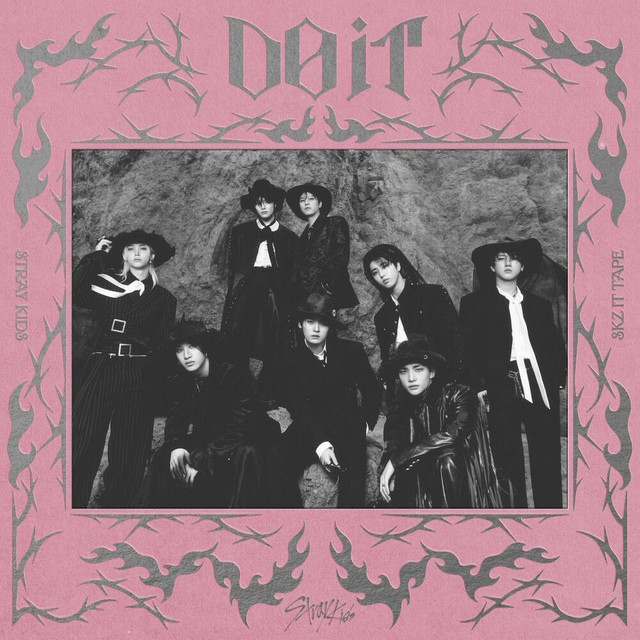
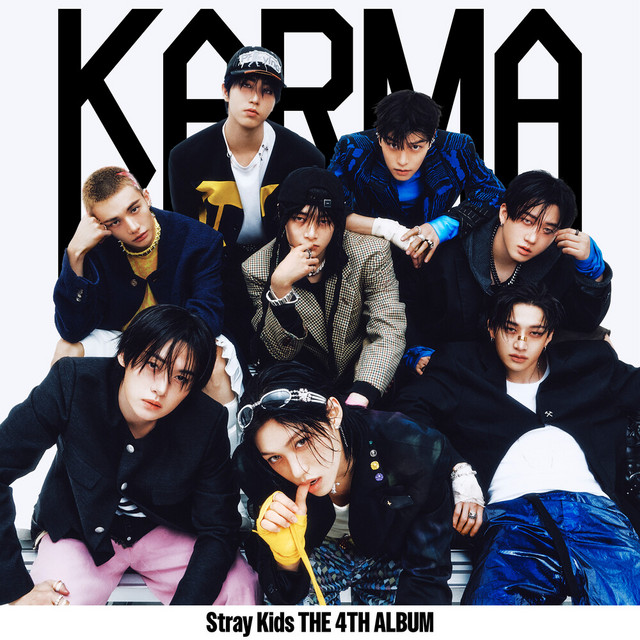
Groups like NCT, Stray Kids, TXT, ATEEZ, ENHYPEN, TREASURE, and newer debuts (e.g., RIIZE, ZEROBASEONE) emphasize self-production, experimental structures, harder-hitting hybrids (EDM/trap/industrial textures), and short-form video virality. The model influenced emerging idol scenes worldwide, and the genre remains a hub of high-concept performance, sophisticated choreography, and global fan culture.

Top albums