Your digging level
Description
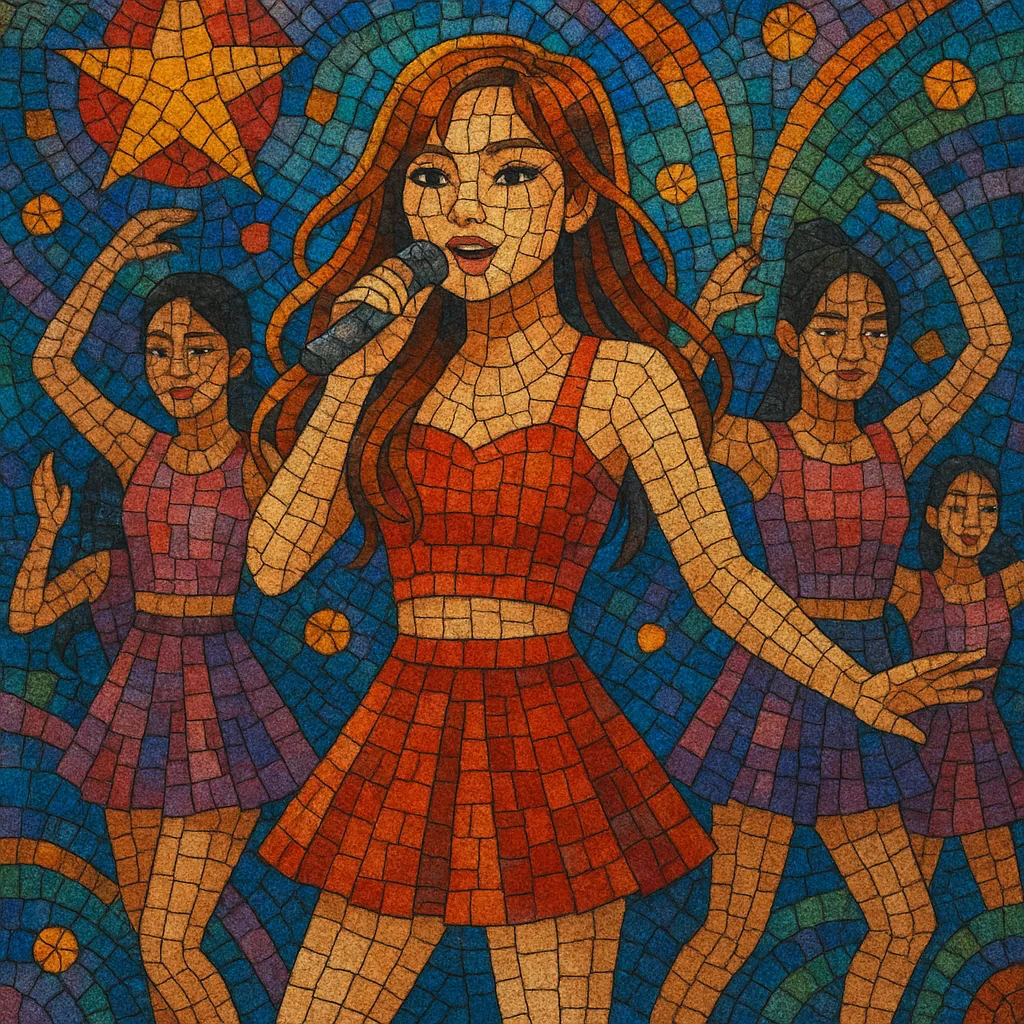
Vietnamese idol pop is a V-pop substyle that adapts the Japanese/Korean “idol” system to the Vietnamese market.
It emphasizes tightly choreographed performances, visually coordinated concepts, catchy dance-pop songwriting, and intensive fan engagement (fancams, lightsticks, fan chants, photo cards, and social media).
Musically it blends V-pop melodies with K-pop/J-pop production values: bright synths, punchy drum programming, sing-rap sections, stacked group vocals, and hook-driven choruses. Releases are often paired with high-concept music videos and performance versions that highlight synchronized choreography and member “center” moments.
Groups are structured around roles (main vocal, lead dancer, rapper, center/visual), and the industry uses training systems, reality/variety exposure, and frequent single promotions to cultivate a loyal fandom.


History
Vietnamese pop had teen-idol figures since the 2000s, but the modern idol-system approach began to take shape in the early 2010s as the Korean Wave (Hallyu) and Japanese idol culture grew in Vietnam. 365daband (debut 2010) is widely cited as a breakthrough boy group that demonstrated K‑pop/J‑pop‑style training, concepting, and choreography adapted to Vietnamese lyrics and sensibilities.
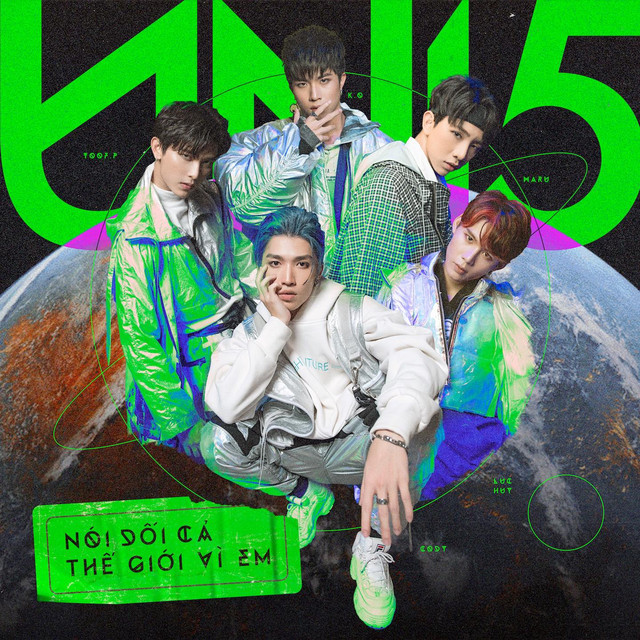
From the mid‑2010s, local agencies professionalized the “idol” model. Companies such as ST.319 Entertainment and 6th Sense Entertainment groomed trainees for group debuts, emphasizing synchronized dance, member roles, and MV‑centric rollouts. Groups like MONSTAR, UNI5, Lip B, and LIME popularized polished dance-pop aesthetics, performance videos, and fandom-building tactics (fan meetings, synchronized lightsticks, photocard culture).
Vietnam’s first AKB48‑style sister group, SGO48 (2018), brought the Japanese “idols you can meet” concept to Ho Chi Minh City, adding theater-style stages and large member lineups. Other acts (e.g., ZERO9, D1Verse) experimented with Korea-linked training or management, further aligning production, styling, and promotional cycles with regional idol standards.
The 2020s saw a highly online fandom culture: fancams, TikTok dance challenges, and synchronized streaming campaigns became central to promotion. While some groups were short‑lived, the framework of trainee systems, visual concepts, and dance‑focused performance remains influential in V‑pop. Vietnamese idol pop today continues to balance local language and storytelling with the pan‑Asian idol playbook of sharp choreography, hook‑forward songwriting, and multimedia fan engagement.