Your digging level

For this genre
0/8
🏆
Sign in, then listen to this genre to level up

Description

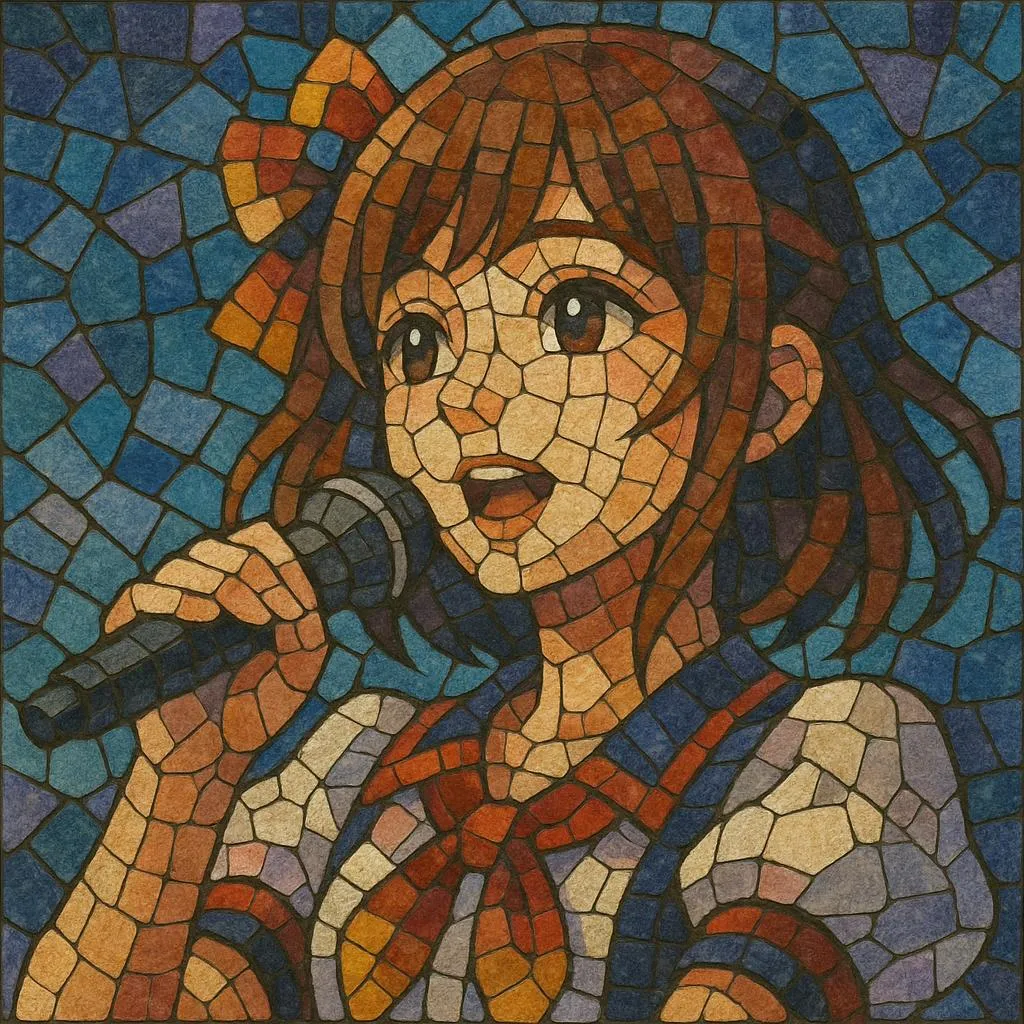
Seiyu (Japanese: 声優) music is the body of pop songs recorded and performed by Japanese voice actors and actresses. It includes character songs sung “in character,” as well as artist-branded singles and albums released under their real names. Because seiyu often voice roles in anime and games, their music is tightly connected to anime opening/ending themes and franchise “character song” releases.

Stylistically it sits inside mainstream J‑pop: bright melodies, hook-forward choruses, polished electronic or band arrangements, and high-clarity vocals. A defining aesthetic is expressive delivery—switching timbre, diction, and emotional color to reflect character traits—alongside idol-culture presentation (fan calls, group choreography, meet & greet events). Releases frequently appear in both short “TV size” (≈90 seconds) and full versions, mirroring anime broadcast formats.

The scene operates within Japan’s media‑mix industry: voice work, radio shows, stage events, live tours, and merchandising reinforce each other, making seiyu music a core engine of contemporary anime pop culture.


Sources: Spotify, Wikipedia, Discogs, RYM, MB, user feedback and other online sources

History

Origins (1960s–1980s)

Early anime and tokusatsu productions already featured voice performers who sang character songs, but it was the late 1970s to 1980s that crystallized the idea of the “voice actor as pop idol.” The broader foundations were kayōkyoku and the emerging idol kayō scene, which supplied the melodic language and industry playbook (fan clubs, photobooks, events). As anime production expanded, labels began issuing character single records tied to shows.

The Seiyu Idol Boom (1990s)

In the 1990s, dedicated anime music labels and radio programs amplified seiyu visibility. CD singles tied to popular series became dependable sellers; magazines and fan events nurtured parasocial bonds. Voice actors increasingly headlined concerts, and chart performance proved that seiyu could compete in the mainstream J‑pop market, not only in niche character releases.

Mainstreaming and Media‑Mix (2000s)

The 2000s saw professionalization: training schools emphasized both acting and singing; talent agencies and labels (e.g., King Records/Starchild, Lantis) built pipelines from roles to records to live tours. Cross-media franchises (anime–game–manga–stage) normalized the seiyu-as-singer model. Full-scale solo careers (albums, national tours) became common, while character units from shows recorded as pop groups.

Multimedia Franchises and Global Reach (2010s–present)

Large idol‑anime franchises and rhythm games integrated voice acting, music, and live performance (complete with motion graphics and synchronized fan calls). Social media and streaming carried seiyu music abroad, while overseas anime conventions turned into crucial tour stops. Production values grew increasingly polished—dance-pop, rock, and EDM hybrids—yet character song culture (singing in role) remained a signature. Today, seiyu music is a main artery of the anisong economy and a gateway for international fans into Japanese pop.

How to make a track in this genre

Core Aesthetic
•   Aim for bright, hook-heavy J‑pop with clean, forward vocals. Write melodies that sit well in the high-mid range and support expressive phrasing and quick diction. •   Consider two versions: a 1:28–1:32 “TV size” for anime OP/ED context and a 3:30–4:30 full version for single/album release.
Harmony & Structure
•   Common progressions: I–V–vi–IV, I–vi–IV–V, or pop “anime” chains with quick dominant movement (e.g., IV–V–iii–vi). Use pre-chorus lift and a climactic last-chorus key change (+1 semitone or whole step). •   Form: Intro – Verse – Pre – Chorus – Verse – Pre – Chorus – Bridge – Final Chorus (often with added ad‑libs, higher register, or modulation).
Rhythm & Tempo
•   Tempos typically 120–170 BPM. For OP-style energy, try 150–165 BPM with straight 4/4, driving eighths, and sidechain‑friendly kicks/bass; for EDs/ballads, 70–110 BPM with half‑time drums and lush pads.
Instrumentation & Production
•   Electronic pop toolkit: layered synths (supersaw leads, plucks), tight electric bass or synth bass, modern drum kits with crisp claps/snares, and bright acoustic/electric guitars for sparkle. •   Arrangement details: short fills that match character gestures; countermelodies doubling vocal hooks; stereo “ooh/ahh” stacks. Keep upper mids clear (2–6 kHz) for lyric intelligibility.
Vocals & Lyrics
•   Prioritize enunciation and character: slight timbral shifts, playful interjections, and dynamic vibrato to reflect personality. Double leads in choruses; stack 3–6 harmony parts for lift. •   Lyric themes: friendship, determination, romance, self‑discovery, and show‑specific motifs (catchphrases, in‑world terms). For character songs, embed point‑of‑view details; for artist songs, keep universally relatable hooks.
Group & Live Considerations
•   For units, allocate solo lines to spotlight character traits, plus unison hooks for fan calls. Arrange call‑and‑response moments and short dance breaks for choreography. •   Prepare off‑vocal (instrumental) mixes for events and release; include a karaoke track.
Delivery Tips
•   Match syllabic stress to Japanese prosody; avoid awkward melisma over dense kanji phrases. Use short pickup notes to fit rapid syllables, and write breath points around phrase endings.

Top tracks

Locked
Share your favorite track to unlock other users’ top tracks

Upcoming concerts

in this genre
Influenced by
Has influenced

Download our mobile app

Get the Melodigging app and start digging for new genres on the go
© 2026 Melodigging
Melodding was created as a tribute to Every Noise at Once, which inspired us to help curious minds keep digging into music's ever-evolving genres.
Buy me a coffee for Melodigging