Your digging level
Description
Classic OPM (Original Pilipino Music) refers to the mainstream Filipino pop sound that crystallized from the 1970s through the 1990s.
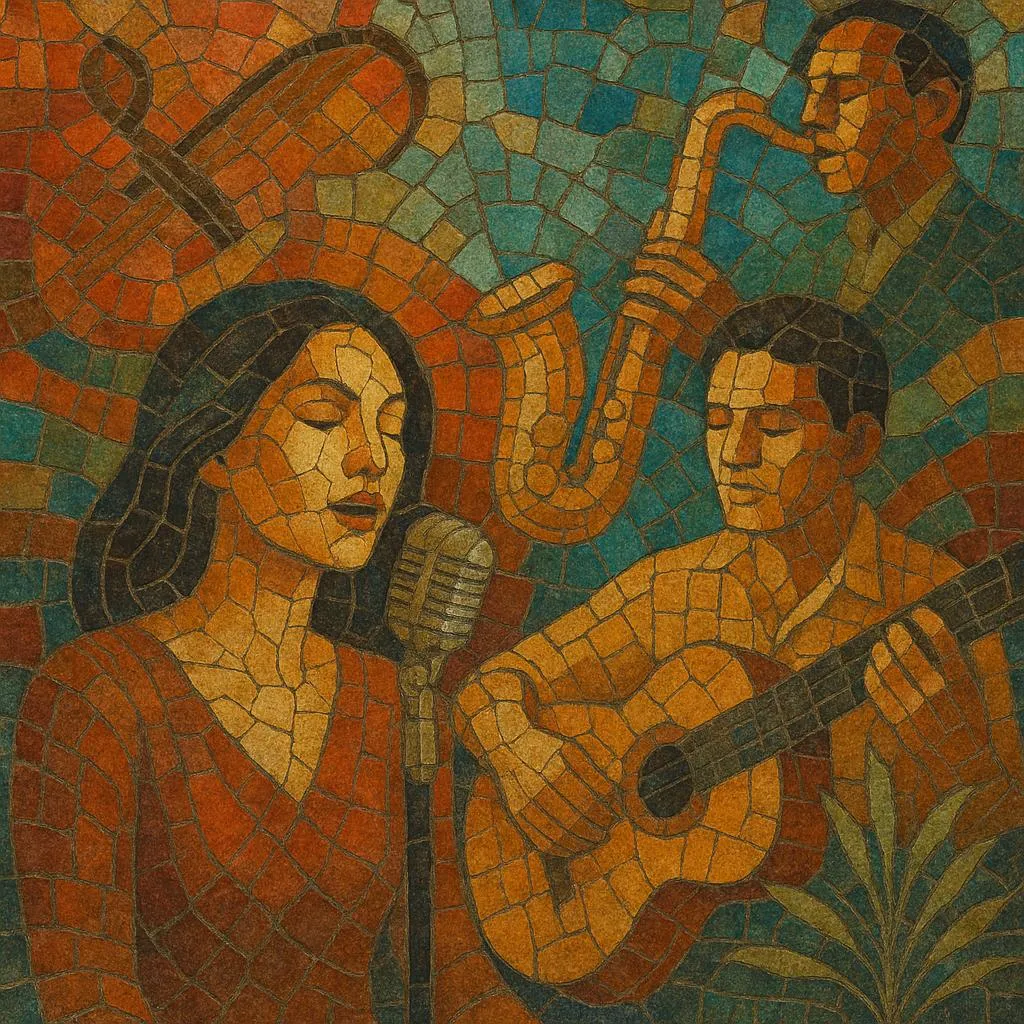
It blends Western pop, soft rock, soul, disco, and adult contemporary writing with distinctly Filipino aesthetics drawn from traditional forms such as kundiman and harana, plus bilingual (Tagalog/English) lyrics. The result is melodically rich, karaoke-friendly songs with memorable hooks, expressive vocals, and lush arrangements (strings, horns, electric piano, clean guitars, and saxophone solos).
Lyrical themes focus on love, longing, destiny, and everyday life, often delivered with heartfelt sentimentality and dramatic key changes in the final chorus. While it is stylistically varied—from ballads to light funk/disco—what unifies Classic OPM is its songcraft: elegant melodies, sophisticated yet approachable harmony, and polished studio production aimed at radio, film, and TV audiences.
History
Classic OPM emerged in Metro Manila in the 1970s as Filipino artists adapted the structures and polish of American pop, soft rock, and soul, while writing in Tagalog and English. The scene professionalized around record labels (e.g., Vicor, OctoArts) and broadcast platforms that favored sophisticated songwriting and radio-ready production. Traditional vocal aesthetics from kundiman and harana (courtship songs) informed the emotive delivery and romantic emphasis.
The 1980s saw the ballad become the dominant radio format, with soaring vocal performances, string-laden arrangements, and modulation up a half- or whole-step for the final chorus. Songwriting festivals and television variety programs helped elevate composers and interpreters, and film soundtracks amplified the reach of OPM hits. Studio craft—layered backing vocals, smooth electric pianos, tasteful guitar lines, and saxophone interludes—became hallmarks of the sound.
By the 1990s, Classic OPM aesthetics had permeated adjacent styles: contemporary R&B, adult contemporary pop, and the emerging singer‑songwriter wave. The era’s catalog became a national songbook, fueling karaoke culture and remaining central to weddings, reunions, and television drama themes. Classic OPM’s melodic and lyrical DNA continues to shape modern P‑pop, indie scenes, and faith‑based pop, cementing it as a foundational pillar of Filipino popular music.



Best playlists