Your digging level
Description
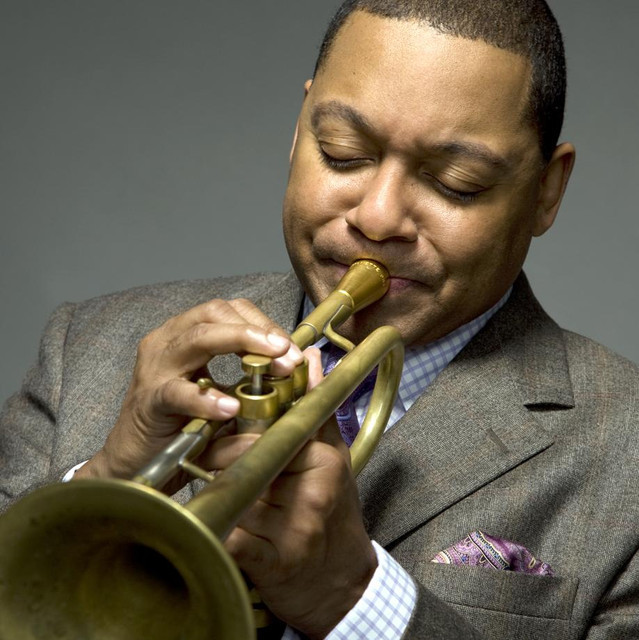
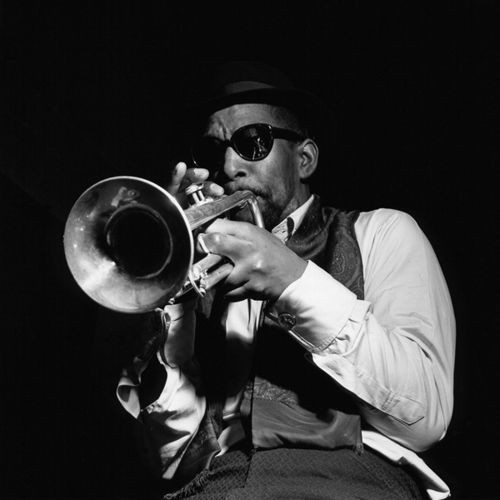
Jazz trumpet is the idiomatic approach to playing the trumpet within jazz, where the instrument often serves as a lead melodic voice and improvisational vehicle.
It is defined by expressive tone production, swing phrasing, blues inflection, and a wide palette of articulations and effects such as vibrato, growls, half-valve smears, shakes, fall-offs, and the creative use of mutes (Harmon, plunger, straight, cup, and bucket). Across its history, jazz trumpet has adapted to changing harmonic languages—from early New Orleans polyphony and swing-era melodies to bebop’s chromatic lines, hard bop’s gospel- and blues-rooted intensity, cool and modal lyricism, avant-garde freedom, electric fusion, and contemporary post-bop and crossover forms.
The role of the jazz trumpeter spans leading themes (heads), creating spontaneous melodies over standard song forms, shaping ensemble textures, and communicating an individual sound and time feel, whether laid-back, on top of the beat, or deeply behind it.
History
Jazz trumpet grew out of New Orleans brass-band traditions, ragtime, and the blues. Early cornet and trumpet voices such as Buddy Bolden, Freddie Keppard, and Joe "King" Oliver established a singing, declamatory approach that projected over marching ensembles. Louis Armstrong revolutionized the idiom in the 1920s by foregrounding the individual soloist, introducing expansive swing feel, virtuosic range and articulation, and a lyrical, story-telling approach to improvisation.
In the swing era, trumpeters like Roy Eldridge connected Armstrong’s bravura to the nascent bebop language with greater harmonic daring and high-register power. The 1940s bebop revolution, led in part by Dizzy Gillespie, transformed trumpet phrasing and harmony: fast, asymmetrical lines; chromatic enclosures; and fluent navigation of extended ii–V movements, altered dominants, and substitute changes.
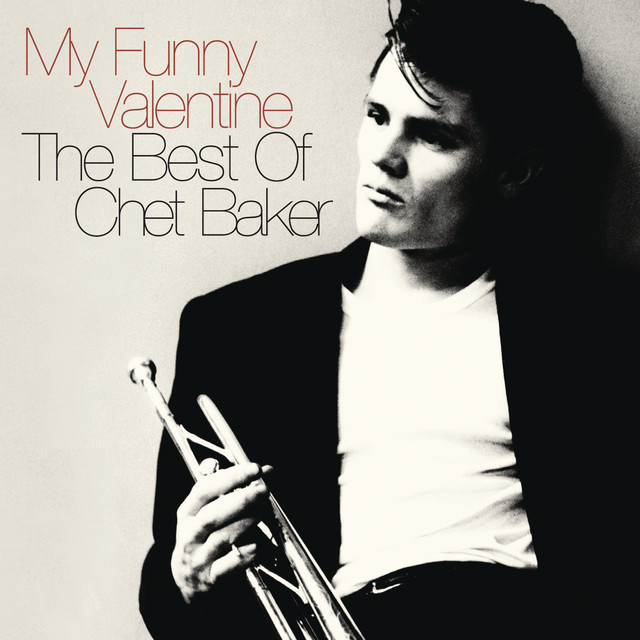
The 1950s bifurcated into cool jazz’s lyrical restraint and timbral finesse (Chet Baker, Miles Davis) and hard bop’s earthy, gospel-inflected drive (Clifford Brown, Lee Morgan). Trumpeters refined ballad playing, burnished tone color, and blues language while expanding harmonic fluency. Miles Davis’s modal work opened spacious, scalar improvisation beyond dense chord cycles.
Don Cherry, Booker Little, Woody Shaw, and others pushed timbre, intervallic language, and form, embracing free improvisation and non-Western concepts. Miles Davis’s electric period catalyzed jazz-rock fusion, adding amplified timbres, sustained tones, and funk rhythms to trumpet vocabulary.
Maynard Ferguson’s high-note theatrics and Freddie Hubbard’s post-bop fire became benchmarks for technique and endurance, while Wynton Marsalis and peers consolidated a modern mainstream that integrated swing, bebop, hard bop, and modal practices with historical awareness. Today’s players blend post-bop sophistication with hip-hop, neo-soul, and electronic textures, while preserving the idiom’s core: personal sound, storytelling phrasing, and rhythmic authority.