Your digging level
Description
Indie jazz blends the improvisational language and harmonic richness of jazz with the songwriting, aesthetics, and DIY production ethos of indie rock and indie pop.
It favors intimate, groove-oriented ensembles, accessible melodies, and textural experimentation over virtuosic display alone, often incorporating ambient electronics, hip hop rhythms, and post‑rock dynamics. The result is a contemporary, listener-friendly sound that keeps jazz harmony and improvisation at its core while embracing indie sensibilities in arrangement, tone, and mood.
History
Indie jazz emerged in the 2000s as musicians steeped in jazz language applied a DIY, song-first approach associated with indie scenes. In the UK, collectives and small labels nurtured bands that drew from nu jazz, post-rock, and electronic music, favoring intimate venues and audience-facing songwriting over traditional club virtuosity. Early touchstones included groups that balanced atmospheric production with jazz instrumentation and improvisation.
During the 2010s, the style broadened and internationalized. UK outfits and a revitalized London scene popularized a groove-forward, audience-friendly take, while Canadian and Australian groups brought hip hop, neo-soul, and electronic textures into the palette. Streaming-era discovery, campus radio, and boutique festivals helped indie jazz reach listeners outside core jazz channels, positioning it next to indie rock, bedroom pop, and beat music.
Hallmarks included song-based structures; memorable hooks; warm, lo-fi-leaning production; and a rhythm section influenced by hip hop and broken beat. Improvisation remained central but was often concise and woven into arrangements rather than presented as extended showcases. Post-rock swells, ambient pads, and minimalist motifs became common textural tools.
The 2020s saw continued cross-pollination with indie R&B, bedroom pop, and jazz-rap, alongside a thriving UK community scene and independent labels. Indie jazz now functions as a gateway for new audiences to explore jazz harmony and improvisation, while artists continue to experiment with electronics, modular synths, and collaborative, internet-era production models.
Start with a compact ensemble: drums, electric or upright bass, guitar or keys (Rhodes, piano, synths), and optional saxophone or trumpet. Use effects (reverb, delay, tape saturation) to create an intimate, textured soundscape.
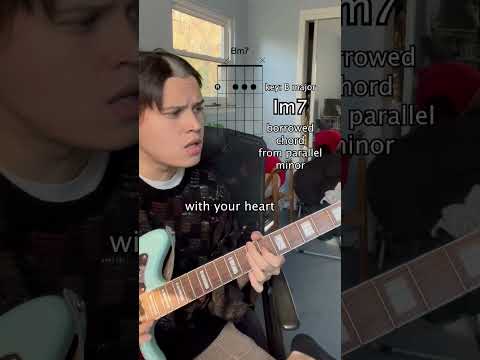
Write song-first chord progressions that use jazz color (7ths, 9ths, 11ths, 13ths, borrowed chords, modal interchange) without overcomplicating the form. Craft singable motifs and short heads; leave space for concise improvisation that serves the song rather than dominates it.
Anchor grooves in hip hop swing, broken beat, or lightly syncopated indie-rock feels at moderate tempos. Drummers can blend rimshots, ghost notes, and brushed textures; bassists should prioritize warm tone and melodic counterlines that glue the harmony to the groove.
Favor verse/chorus or AABA forms with dynamic arcs borrowed from post-rock (quiet–loud swells) and ambient pads for depth. Track live when possible, then add subtle overdubs (hand percussion, synth drones, doubled lines). Use gentle compression, tape saturation, and room mics to achieve a cozy, “living room” aesthetic.
Keep solos short and thematic. Encourage conversational interplay—call-and-response figures, unison hits, and dynamic drops. Allow space: rests and sparse textures heighten impact when the ensemble blooms.
When using vocals, keep lyrics introspective or vignette-like, aligning with indie sensibilities. Place the voice as another instrument in the mix, sometimes slightly behind the beat to preserve the relaxed feel.