Your digging level
Description
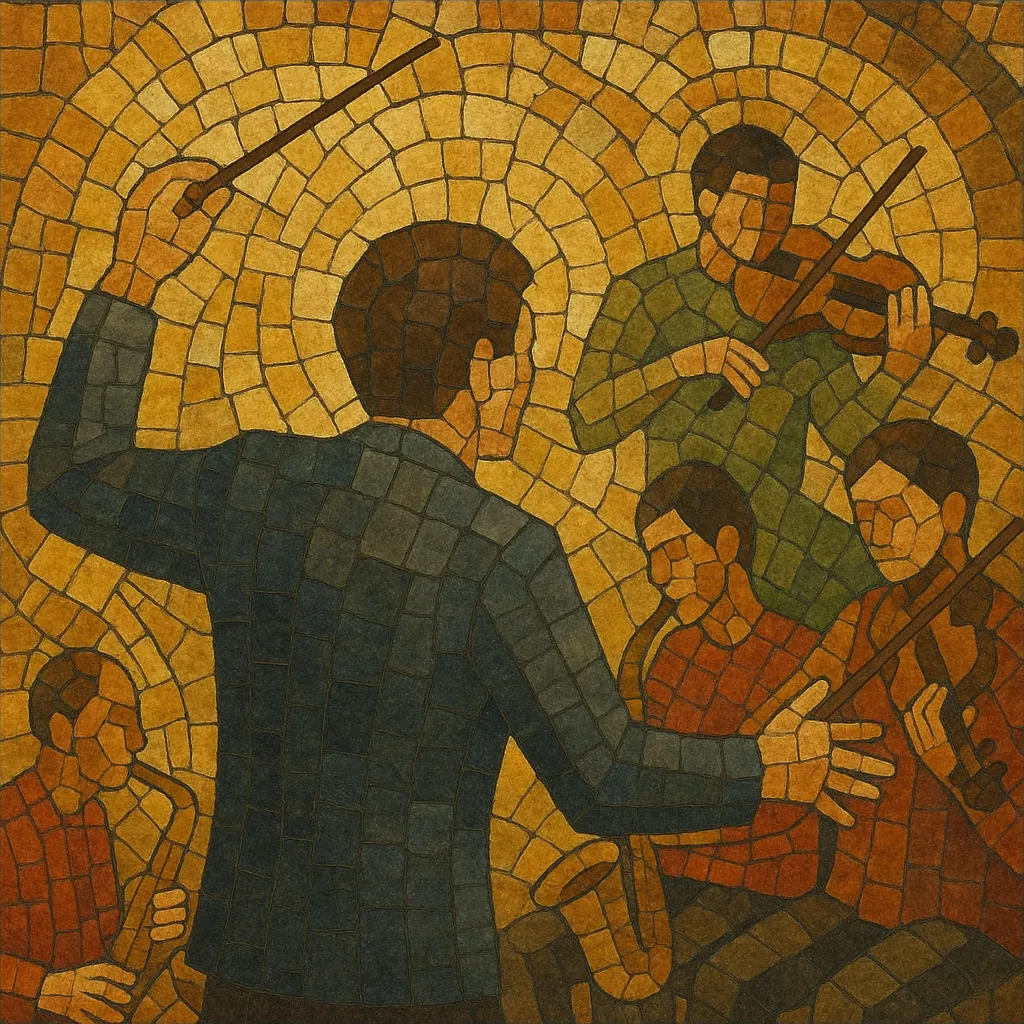
Conducted improvisation is a live-composition practice in which a conductor shapes collective improvisation in real time using a codified set of gestures, cue cards, and signals. Rather than pre-writing a fixed score, the conductor directs form, texture, dynamics, harmony, and orchestration on the spot, treating the ensemble as an instrument.
Emerging from free jazz and experimental music, it bridges improvisers’ spontaneity with the clarity and contour of composed music. Systems such as Butch Morris’s Conduction, John Zorn’s game-piece approach (e.g., Cobra), and Walter Thompson’s Soundpainting offer different yet related languages for controlling entrances/exits, memory, repetition, density, and timbre.
The result ranges from chamber-like transparency to big-band intensity, making conducted improvisation a flexible method used by jazz orchestras, experimental classical ensembles, and cross-genre collectives.
History
Conducted improvisation grew out of postwar experimentalism and the free jazz movement. In the 1960s, large-ensemble improvisers such as Sun Ra used gestures to steer form and dynamics. Experimental and contemporary classical composers explored indeterminacy and intuitive music, building a conceptual foundation for real-time, conductor-led structures.
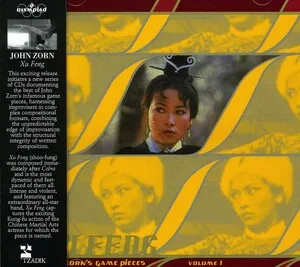
In the 1980s in the United States, Lawrence “Butch” Morris codified a comprehensive vocabulary he called Conduction, using hand signals and baton cues to organize pitch sets, dynamics, repetition, and transitions. Around the same time, John Zorn developed “game pieces” like Cobra (1984), which used cue cards and a prompter to direct improvisers’ interactions, creating a different but related framework for real‑time composition.
Walter Thompson refined Soundpainting (begun in the 1970s, widely propagated in the 1990s), a large sign language for live composition spanning music, theater, and dance. In Europe, ensembles such as the London Improvisers Orchestra and the London Jazz Composers Orchestra adopted and adapted conducted methods, integrating them into the free improvisation and avant‑jazz ecosystems.
By the 2000s, conducted improvisation had become a global practice across jazz, experimental, and contemporary classical scenes. Large ensembles in London, New York, Amsterdam, Berlin, and Tokyo (among many others) use conduction, game-piece, or Soundpainting systems. Today, the approach is a staple technique for shaping large ensembles of improvisers, influencing experimental big bands and new jazz movements while remaining a versatile tool for cross‑disciplinary performance.