Your digging level
Description
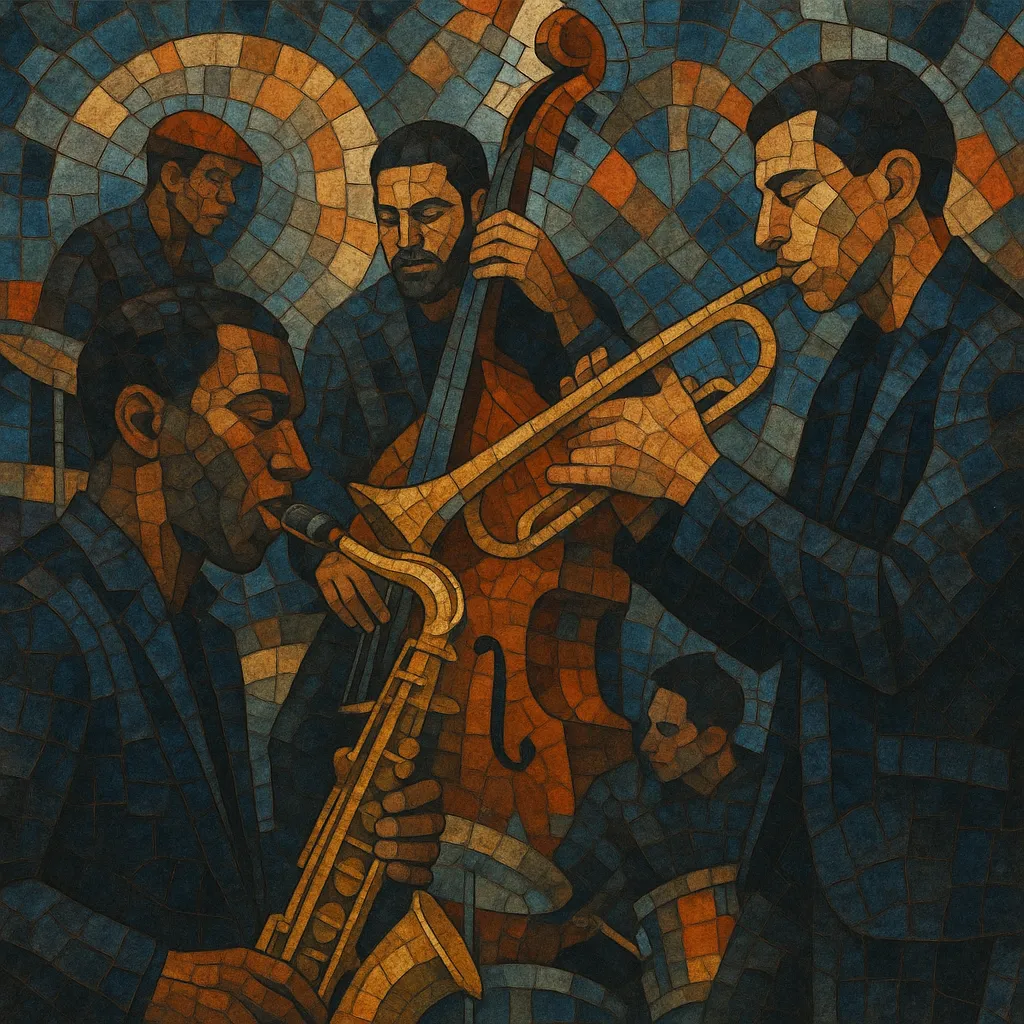
Contemporary post-bop is a modern continuation of the post-bop language, balancing the harmonic sophistication of bebop and hard bop with modal harmony, free-jazz openness, and updated rhythmic concepts. It typically favors small acoustic ensembles (saxophone or trumpet-led groups with piano, double bass, and drums), although guitar often substitutes or augments the piano in many groups.
Compared with classic post-bop of the 1960s, contemporary post-bop embraces broader metric variety (odd meters, mixed meter, and polyrhythms), more flexible forms, and a wider palette of timbres. The writing often features original compositions with memorable heads, extended harmonies, motivic development, and space for improvisation that can move fluidly from inside playing to harmonically “outside” lines.
The aesthetic ranges from straight-ahead swing to straight-eighth textures, with influences from ECM-style lyricism, modern classical voicings, and contemporary groove-oriented feels. The result is music that sounds rooted in the jazz tradition yet distinctly current in touch and tone.


History
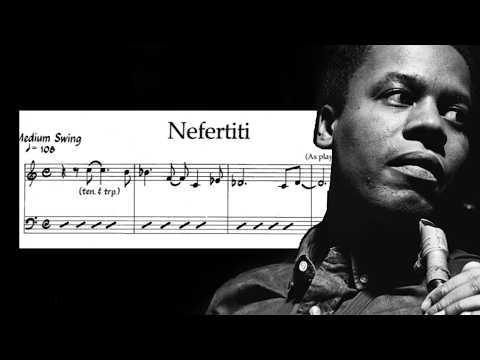
Contemporary post-bop emerged in the 1980s in the United States as a forward-looking, acoustic branch of modern jazz that extended the innovations of 1960s post-bop. While the 1970s saw jazz fusion and loft/free scenes take center stage, a cohort of younger musicians revisited the language of Wayne Shorter, Herbie Hancock, Miles Davis’s mid-1960s quintet, and the Blue Note post-bop catalog—while updating the rhythmic feel, harmonic vocabulary, and forms for a new era.
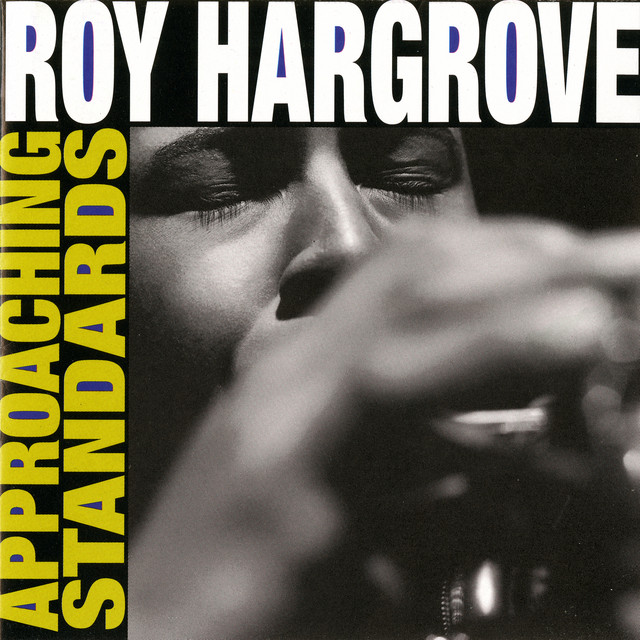
The 1980s witnessed the rise of artists who embraced advanced harmony and melodic craft while retaining a strong sense of swing and ensemble conversation. Parallel to the “neo-bop” movement, contemporary post-bop pushed beyond repertory playing into new original compositions and longer-form structures. By the 1990s, players such as Branford Marsalis, Joe Lovano, Kenny Garrett, Joshua Redman, Roy Hargrove, Brad Mehldau, and Chris Potter helped codify a sound that was simultaneously tradition-aware and compositionally ambitious. Labels and venues supported this direction, and collegiate jazz programs produced generations fluent in both bebop language and modern harmony.
In the 2000s and 2010s, contemporary post-bop became a global lingua franca among modern acoustic jazz musicians. Rhythm sections adopted more metric fluidity, polyrhythms, and textural interplay influenced by ECM-style jazz and contemporary classical music. Guitarists and pianists expanded chordal colors; horn players blended motivic development with intervallic and modal approaches. Today the style continues to evolve, intersecting with indie jazz scenes, London’s new jazz movement, and jazz-informed hip-hop without losing its core identity of harmonically rich, improvisation-driven small-group music.
Write for small acoustic combos: a typical lineup is tenor or alto saxophone or trumpet, piano (or guitar), double bass, and drums. Consider adding a second horn for counterlines and harmony. Keep the texture clear so interaction and dynamics can breathe.
Use extended tertian harmony (9ths, 11ths, 13ths), modal interchange, and substitute dominants. Explore post-bop chord cycles (e.g., moving by major/minor thirds), pedal points, and modal vamps. Pianists/guitarists should voice with guide tones, upper-structure triads, and cluster tensions for color; leave space for the soloist’s lines.
Compose singable yet sophisticated heads that invite development. Combine short motifs with intervallic leaps and modal cells. Forms can be head–solos–head, but don’t hesitate to add interludes, metric modulations, or open sections. Write codas that evolve the theme rather than merely repeat it.
Blend swing and straight-eighth feels. Incorporate odd meters (5/4, 7/4), meter changes, and polyrhythms. Drummers should craft interactive, dynamic comping—shifting ride patterns, cross-rhythms, and cymbal colors—while the bassist anchors harmony yet converses melodically. Use metric modulation to create dramatic transitions.
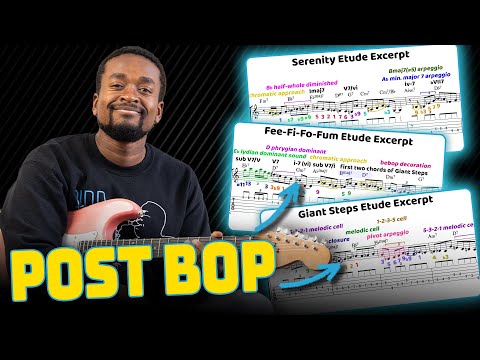
Improvise with a post-bop toolkit: chord-scale fluency, bebop enclosure and chromaticism, pentatonics and hexatonics, and modal approaches over vamps. Weave in “outside” playing via side-slipping, triad pairs, and symmetrical scales, resolving back to chord tones. Aim for motivic development and narrative arc rather than endless runs.
Write counterlines and background figures for horns behind solos. Use call-and-response between rhythm section and soloists. Shape dynamics across the set—alternate dense, driving pieces with transparent ballads or rubato intros. Record with natural room ambience to preserve acoustic detail and ensemble blend.