Your digging level
Description
Lo-fi study is a mellow, instrumental branch of lo-fi hip hop optimized for focus, reading, and coursework. It blends soft, dusty drum grooves with jazzy chords, simple looping melodies, and warm tape-style saturation to create a calm, non-intrusive atmosphere.
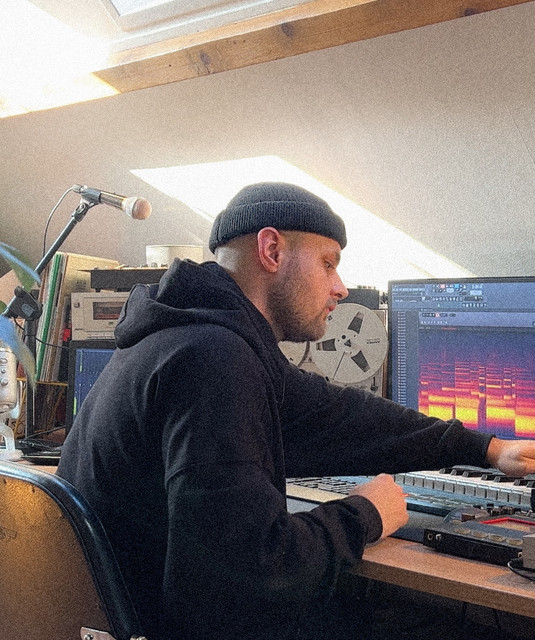
Tracks usually center on 2–4 bar motifs, low-pass filtered samples or gentle keyboards (e.g., Rhodes, soft pianos), and lightly swung drum patterns around 60–95 BPM. Sonic artifacts like vinyl crackle, tape hiss, and room noise add a nostalgic, intimate texture, while minimal arrangement and limited dynamic shifts reduce distraction.
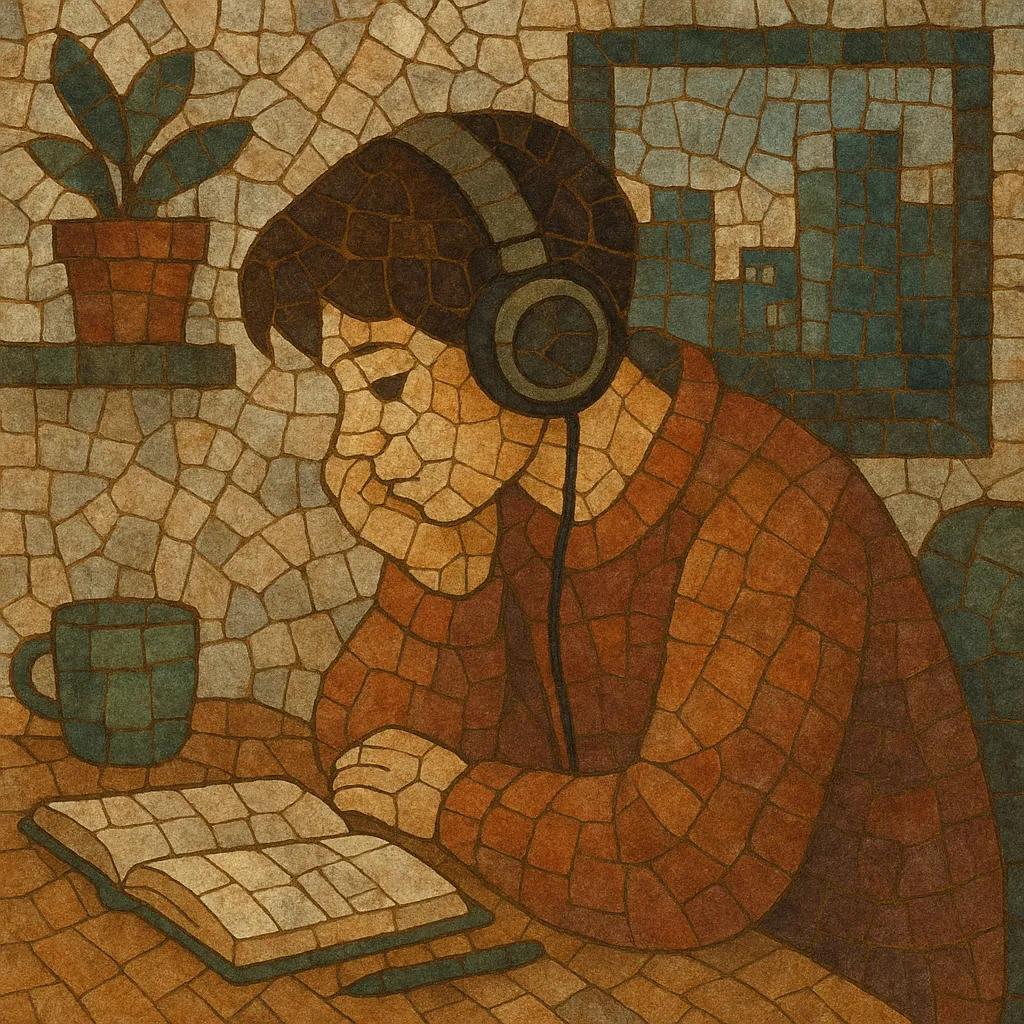
The style’s visual and cultural identity—anime-inspired thumbnails, study desks, rainy cityscapes—grew alongside 24/7 livestreams and playlist culture, making it a defining sound of the online “study/relax” era.
History
Lo-fi study inherits its rhythmic, sample-based foundation from instrumental hip hop and jazz rap, themselves built on boom bap drum programming and crate-digging culture. Producers influenced by J Dilla and Nujabes normalized warm, swung beats, jazz chords, and short, looping motifs—core building blocks that later defined focus-friendly listening.
The genre crystallized in the mid-2010s as YouTube channels and labels (notably the Paris-based ChilledCow/Lofi Girl and Rotterdam’s Chillhop Music) curated 24/7 streams and tightly branded playlists. The "beats to study/relax to" framing helped standardize a sound that was softer, slower, and less vocally present than broader lo-fi hip hop.
Visuals—anime study loops, cozy rooms, rain, and night cityscapes—became inseparable from the music. The scene’s open, internet-native infrastructure encouraged bedroom producers worldwide to share short sketches, EPs, and compilations. Royalty-free sample packs, loop-based production, and gentle mastering helped newcomers participate quickly.
By the early 2020s, lo-fi study had matured into a recognizable micro-genre with clear production norms: subdued transients, jazz-influenced seventh/ninth chords, and lightly saturated textures. It influenced adjacent niches like ambient lo-fi and lo-fi sleep, and solidified the idea of music-as-utility for focus and relaxation.