Your digging level
Description
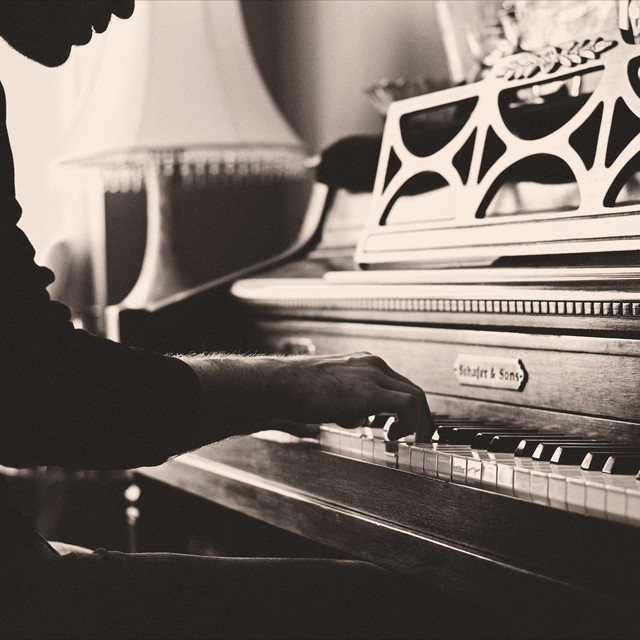
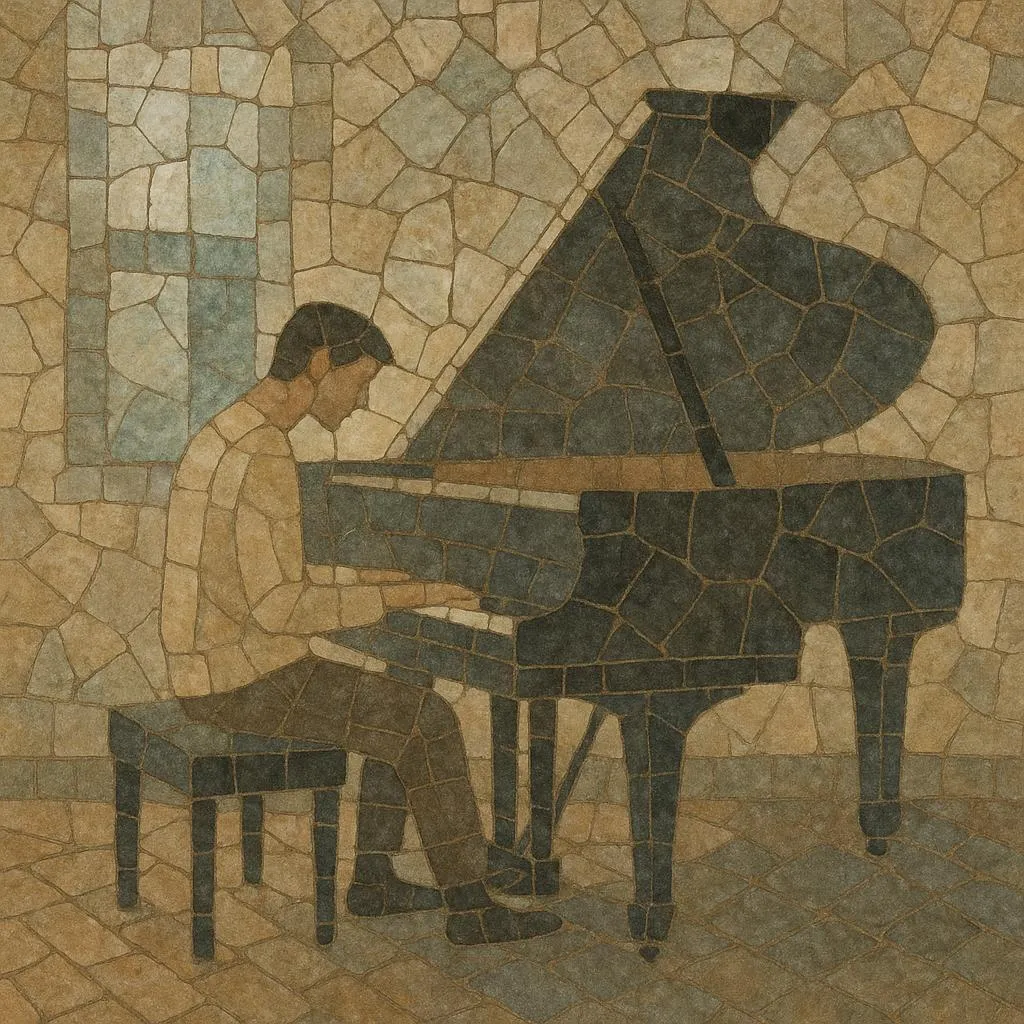
Background piano is a contemporary, minimalist piano style designed to sit comfortably behind other activities such as reading, study, work, or meditation. The pieces are short, spacious, and consonant, prioritizing mood and texture over virtuosic display.
Typical tracks feature soft dynamics (often with felted or muted pianos), slow tempos, gentle ostinatos, and simple diatonic harmonies colored by added 2nds or 9ths. Subtle ambience—room tone, reverb, light tape hiss—blurs edges and enhances a sense of stillness. It is music that rewards close listening yet never demands it, aligning with the ambient principle of being “as ignorable as it is interesting.”
History
Background piano draws on several long arcs of 20th‑century music. Erik Satie’s early idea of “furniture music” and the understated lyricism of French musical impressionism provided an early philosophical template for non‑intrusive listening. Later, mid‑century American minimalism (repetition, gradual process) and the rise of new age and ambient music (Brian Eno’s “ambient” concept, Harold Budd’s soft‑focus piano) placed the instrument at the center of quiet, textural sound worlds.
The genre cohered in the streaming era, when curated mood and activity playlists normalized unobtrusive, piano‑centric cues for “focus,” “sleep,” and “relaxation.” Independent composers and producers adopted close‑miked felt pianos, short forms, and gentle post‑production to craft tracks optimized for low‑volume listening. Global platforms enabled a diffuse, multinational scene that nevertheless shared a common aesthetic: slow, consonant, and tactile.
Recurring traits include slow to moderate tempos, sparse melodies, triadic harmony with added color tones (2nds/9ths), arpeggiated or repeated‑figure accompaniments, and intimate timbral choices (felt, una corda, soft pedaling). Production borrows from ambient and library/production music: subtle reverb, noise floors, and restrained low end to keep the music present yet non‑dominant.
Background piano now bridges modern classical, ambient, and wellness cultures. It informs study/sleep playlists, film and TV cues, branded content, and personal rituals of concentration and calm. While minimalist at heart, it continues to evolve with new recording techniques, hybrid pads, and cross‑pollinations with lo‑fi, cinematic, and devotional substyles.