Your digging level

For this genre
0/8
🏆
Sign in, then listen to this genre to level up

Description

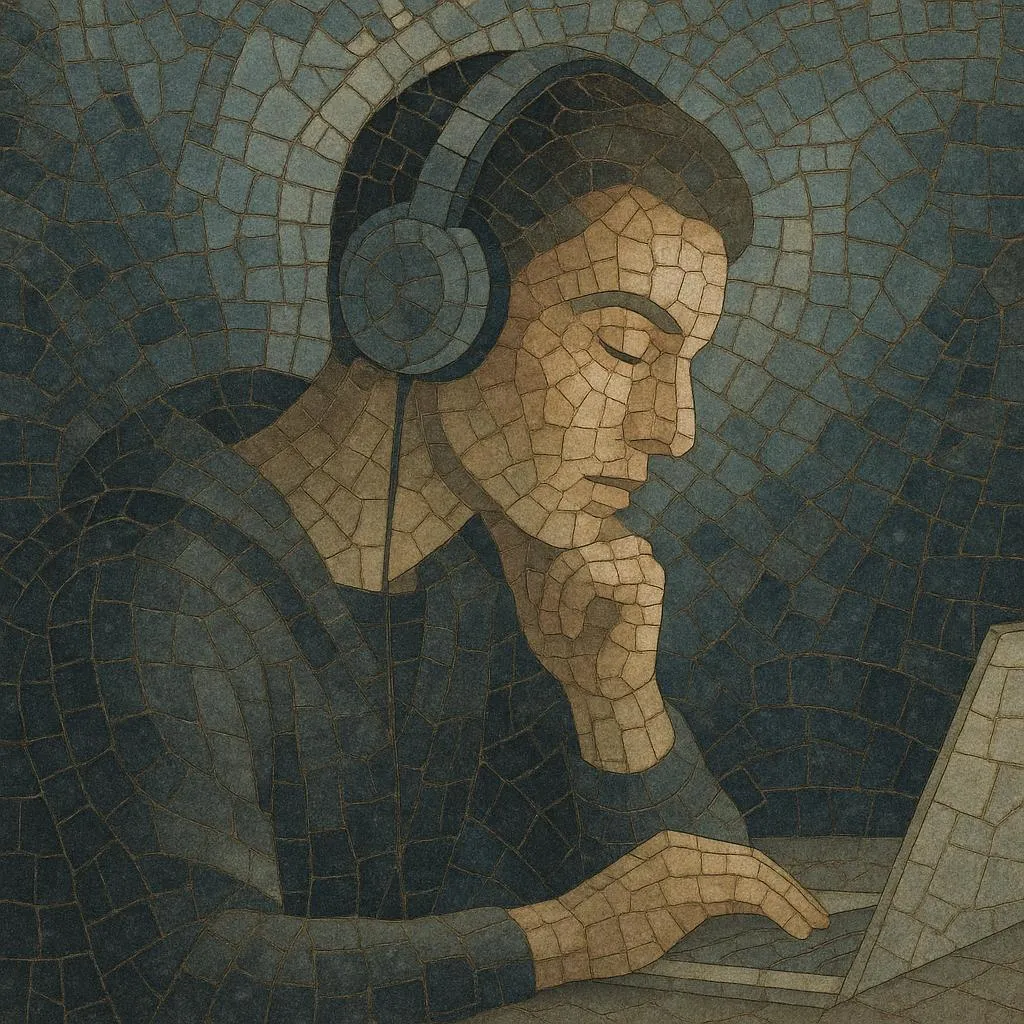
Focus is a functional, streaming-era umbrella genre designed to aid concentration, studying, reading, coding, and other cognitively demanding tasks.

Musically, it blends quiet instrumental palettes—modern classical piano, minimal strings, gentle ambient pads, subdued post-rock textures, and unobtrusive downtempo electronics. The aesthetic emphasizes low distraction: sparse melodies, slow harmonic rhythm, soft dynamics, limited high-frequency transients, and little to no lyrical content.

Rather than a scene-bound style, Focus coheres around use-case and sound design. It filters earlier ambient, minimalist, and neo-classical practices through contemporary production values and playlist culture, prioritizing calm continuity, warmth, and clarity over dramatic peaks.


Sources: Spotify, Wikipedia, Discogs, Rate Your Music, MusicBrainz, and other online sources

History

Origins

The roots of Focus reach back to 1970s ambient and minimalism, where artists framed music as an atmosphere rather than an event. Brian Eno’s ambient manifesto, American minimalism’s repetitive processes, and new age’s restorative intent all laid conceptual groundwork for non-intrusive listening.

Streaming-era consolidation (2010s)

In the 2010s, streaming platforms curated dedicated "focus" hubs that grouped soft neo-classical, ambient, cinematic post-rock, and light downtempo under a single utility-driven label. The tag migrated from a playlist descriptor to a recognizable listening category, encouraging composers and producers to tailor works for low-distraction listening—muted dynamics, sparse motifs, and highly legible mixes.

Sound design and professionalization (late 2010s–2020s)

A new cohort of composers and bedroom producers converged on short-form instrumentals optimized for algorithmic discovery and task-oriented playback. Production emphasized intimate piano tones, delicate string layers, tape-like textures, slow-tempo pulses, and gentle spatial effects. As remote work and digital study habits expanded, Focus became a default acoustic environment for deep work.

Today

Focus remains a pragmatic, trans-genre format. It continually absorbs influences—from modern classical to lo-fi—so long as tracks remain soothing, repetition-friendly, and mix-compatible. Its success has, in turn, seeded adjacent functional tags (sleep, mindfulness, background piano) and re-centered the studio as a site for crafting supportive sonic spaces rather than foreground spectacle.

How to make a track in this genre

Core aesthetics
•   Keep dynamics soft and stable; avoid sharp attacks and sudden crescendos. •   Favor instrumental or wordless vocals so language does not compete with attention. •   Aim for warm, rounded timbres and an uncluttered spectrum.
Harmony & melody
•   Use slow-moving diatonic or modal harmony (Dorian, Aeolian, or simple major/minor). •   Employ repeating motifs and ostinati; introduce subtle variation over time. •   Keep melodies narrow in range and lightly ornamented; avoid virtuosic runs.
Rhythm & tempo
•   If using rhythm, keep it minimal: 50–90 BPM or rubato/time-ambiguous ambient. •   Prefer soft percussive elements (brushes, clicks, distant kicks) with low transient content.
Instrumentation
•   Solo or duo piano, soft strings, felted or tape-processed keys, guitar with shimmer or eBow, light synth pads, gentle mallets (vibraphone, marimba), and discreet electronic textures. •   Layer for depth, not density—leave air between parts.
Production & mixing
•   Use gentle compression and wide dynamic headroom; preserve microdynamics. •   Employ reverb and delay as space-forming tools; keep decay times musical and not washy. •   Tame harsh highs; manage low end for non-fatiguing long listening. •   Master at moderate LUFS (e.g., −15 to −12 integrated) to minimize fatigue.
Form & arrangement
•   Favor through-composed or A–B forms with gradual evolution. •   Introduce changes via texture (adding/removing layers) rather than dramatic modulations.
Do’s and Don’ts
•   Do optimize for seamless playlist flow and low-distraction continuity. •   Don’t overfill the midrange or introduce lyrical hooks that draw focus away from tasks.

Top tracks

Locked
Share your favorite track to unlock other users’ top tracks
Influenced by
Has influenced
Challenges
Digger Battle
Let's see who can find the best track in this genre

Download our mobile app

Get the Melodigging app and start digging for new genres on the go
© 2026 Melodigging
Melodding was created as a tribute to Every Noise at Once, which inspired us to help curious minds keep digging into music's ever-evolving genres.
Buy me a coffee for Melodigging