Your digging level
Description
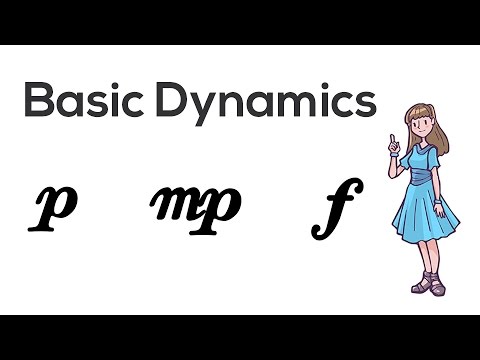
Pianissimo is a contemporary micro‑genre centered on very soft, intimate piano music designed for calm focus, rest, and reflection. It borrows the classical dynamic marking “pp” (very soft) as an aesthetic principle: close‑miked, felt‑damped pianos, sparse harmonies, slow tempos, and generous ambience.
Emerging alongside the streaming era’s focus/sleep/reading playlists, the style sits between post‑classical minimalism and ambient music. Pieces are typically short miniatures, diatonic and melodic, with unobtrusive movement—music that can live comfortably in the background yet rewards attentive listening. Occasional cello or soft strings, subtle tape hiss, and long reverbs are common textural companions.
Historically it traces a line from Satie’s quiet piano idiom and the American minimalist school to the 2000s–2010s “neo‑classical” wave (Einaudi, Frahm, Arnalds), but with an explicitly hushed, domestic sound that foregrounds tenderness, space, and restraint.

History
Late‑19th/early‑20th‑century piano miniatures (notably Erik Satie) modeled a deliberately quiet, spacious sensibility. Mid‑to‑late 20th‑century minimalism and ambient (Reich/Glass; Brian Eno) articulated repetition, stillness, and atmosphere—all crucial to Pianissimo’s DNA.
The 2000s “post‑classical/neo‑classical” surge—Ludovico Einaudi, Max Richter, Ólafur Arnalds, Nils Frahm—normalized intimate recording, modal harmony, and slow evolving forms. Close‑miked or felt‑prepared pianos became signature timbres, aligning classical technique with indie/ambient production.
With the rise of editorial and user‑curated focus/sleep playlists in the 2010s, a distinct lane of very soft, miniature piano works coalesced. Labels and independent composers optimized for quiet dynamics, short forms (1–3 minutes), and soothing tonalities that translate well to headphones at low volume.
Pianissimo now denotes a recognizable aesthetic: hush, warmth, and minimal gesture. It frequently intersects with wellness contexts (mindfulness, journaling, bedtime) and informs adjacent micro‑scenes (background piano, study beats without drums, organic ambient). The repertoire continues to expand through home‑studio composers and concert artists alike, sustaining a global, digital‑first community.