Your digging level

For this genre
0/8
🏆
Sign in, then listen to this genre to level up

Description

Classify is a streaming-era microgenre that blends light classical technique with contemporary pop repertoire, typically presented as unobtrusive instrumental covers. It prioritizes soft dynamics, gentle tempos, and intimate recording to create a calm, elegant backdrop suitable for studying, working, or events.

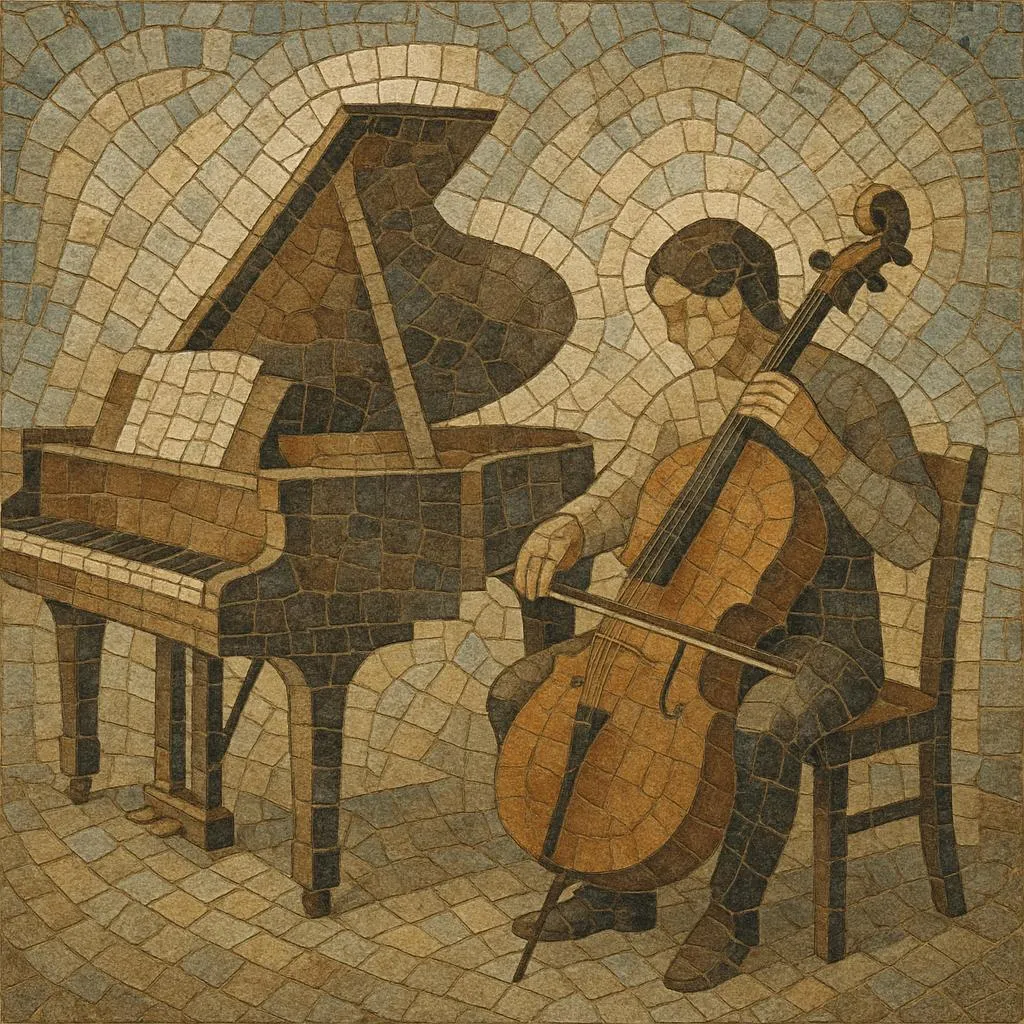
Most arrangements are for solo piano, string quartet, cello/piano duos, or small chamber ensembles. Harmonies remain diatonic and consonant, melodies are clearly voiced, and textures favor arpeggios, ostinati, and sustained legato lines. The overall aesthetic borrows from modern classical and new age moods while retaining the familiarity of pop song forms.


Sources: Spotify, Wikipedia, Discogs, Rate Your Music, MusicBrainz, and other online sources

History

Origins (late 2000s–2010s)

The rise of streaming platforms and curated background playlists in the late 2000s and 2010s created demand for gentle, easily recognizable instrumentals. Arrangers and studio projects began recording classical-style covers of pop hits and soft renditions of standard themes, optimized for “focus,” “study,” and “relax” contexts. This sound coalesced into a recognizable microgenre often labeled Classify.

Aesthetic consolidation

As listeners gravitated toward calm, melodic instrumentals, producers leaned into solo piano and string ensembles, clear melodic statements, and soothing reverb-rich production. While rooted in classical technique and modern classical minimalism, the repertoire and structures remained pop-centric (verse–chorus shapes, familiar hooks), differentiating Classify from art-music concert traditions.

Ubiquity and uses

By the late 2010s, Classify tracks became ubiquitous across study mixes, wedding prelude music, hotel lobbies, coffeehouses, and content soundtracks. The genre’s consistency—recognizable melodies, quiet dynamics, clean tonal harmony—made it a go-to utility style for unobtrusive musical environments.

Present day

Today, Classify thrives as a cottage industry of arrangers, session players, and ensemble brands. It overlaps with neoclassical and classical crossover, but its core identity remains: lightly classical, gently produced instrumental covers designed for effortless, comforting listening.


How to make a track in this genre

Instrumentation and texture
•   Favor solo piano, string quartet, or piano–cello/violin duos; small chamber groups work well. •   Use clear melody-and-accompaniment textures: arpeggiated left-hand patterns on piano, sustained legato strings, light countermelodies.
Harmony and form
•   Keep harmony diatonic and consonant; occasional modal interchange (iv in major, bVII) adds color without tension. •   Follow the pop form of the source material (intro–verse–chorus–bridge), but simplify transitions and avoid dense modulations.
Rhythm and tempo
•   Aim for 60–90 BPM (or free rubato for solo piano). Emphasize smooth phrasing over groove; when using light pulse, prefer delicate pizzicato, soft piano ostinati, or brushed percussion.
Arrangement approach
•   State the hook clearly within the first 30–45 seconds. •   Thin out inner voices, remove syncopated clutter, and favor sustained pads or broken-chord figures. •   Use dynamic arcs (pp–mp) rather than big crescendos; avoid harsh accents.
Production and recording
•   Close-mic piano and strings for intimacy; add gentle room or plate reverb to create a warm halo. •   Light compression for cohesion; minimal EQ boosts to enhance air (8–12 kHz) and warmth (200–400 Hz) without losing clarity.
Performance style
•   Prioritize legato, lyrical phrasing, and tasteful rubato on piano; for strings, smooth bow changes and clean intonation with restrained vibrato. •   Keep ornaments subtle (grace notes, turns) and avoid virtuosic displays that distract from the melody.

Top tracks

Locked
Share your favorite track to unlock other users’ top tracks
Influenced by
Challenges
Digger Battle
Let's see who can find the best track in this genre

Download our mobile app

Get the Melodigging app and start digging for new genres on the go
© 2026 Melodigging
Melodding was created as a tribute to Every Noise at Once, which inspired us to help curious minds keep digging into music's ever-evolving genres.
Buy me a coffee for Melodigging