Your digging level
Description
Minnesota hip hop is the Twin Cities–centered branch of Midwestern rap known for introspective storytelling, community-minded ethos, and a strong independent/DIY backbone.
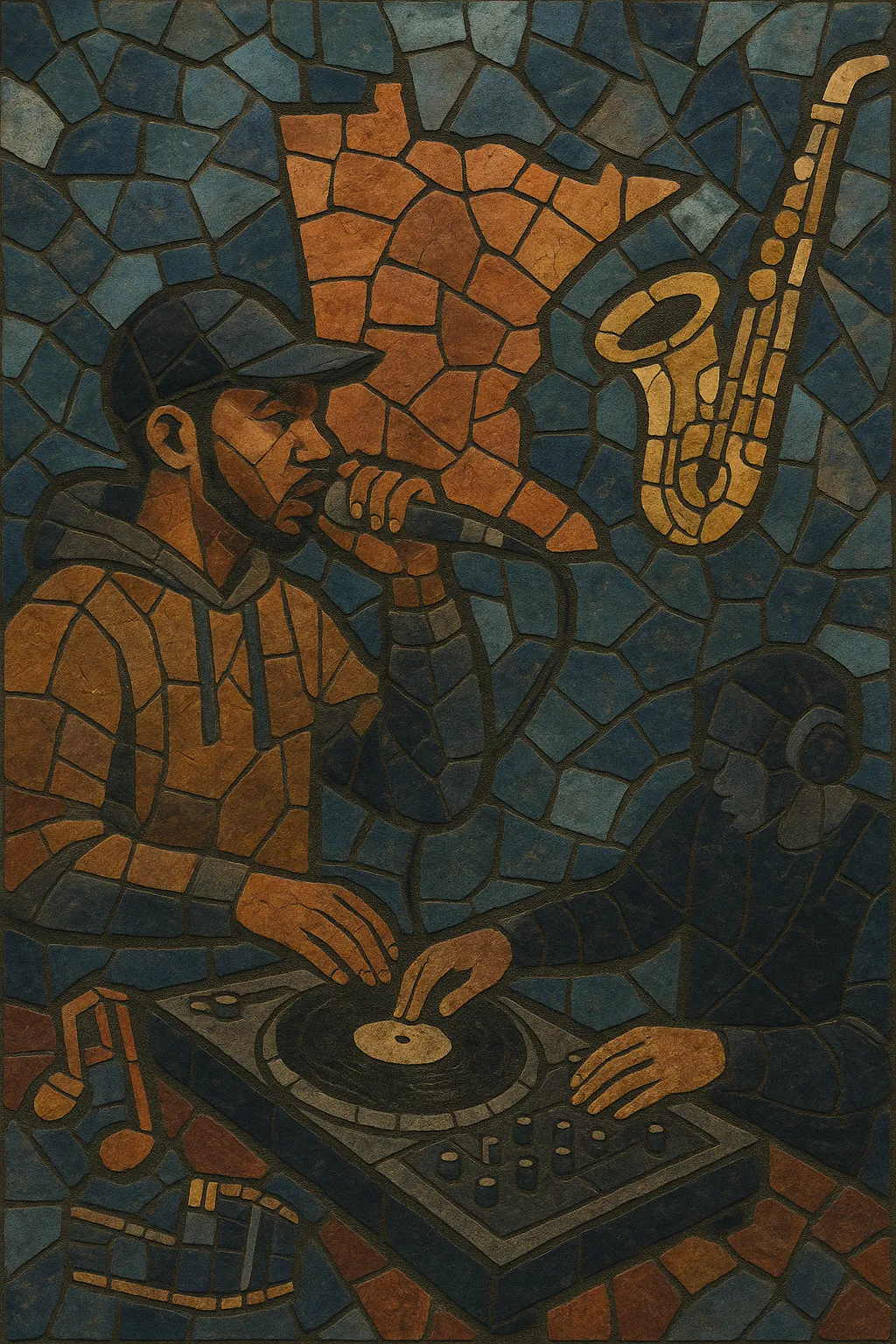
It blends boom-bap drum programming and soulful/jazzy sampling with spoken-word cadences, clean enunciation, and often melodic hooks. Many acts also incorporate live instrumentation—bass, keys, horns, and scratching—reflecting the region’s rich band culture.
Lyrically, the style leans toward personal narrative, social observation, vulnerability, and everyday detail rather than overt braggadocio. The scene’s sound and spirit were shaped by local labels and collectives (notably Rhymesayers and Doomtree), all nurtured by Minneapolis’s broader music legacy and communal infrastructure (venues, community radio, record shops, and festivals like Soundset).


History
Minnesota hip hop cohered in the mid-to-late 1990s in Minneapolis–Saint Paul, when crews of MCs, DJs, producers, and graf writers unified around cyphers, college/community radio, and all-ages venues. The formation of Rhymesayers Entertainment (1995) provided a crucial label and organizing hub, elevating artists who prized craft, lyricism, and independence. Early standouts like Atmosphere and Eyedea & Abilities helped define a confessional, narrative-forward approach to songwriting, paired with boom-bap drums, vinyl textures, and DJ techniques.
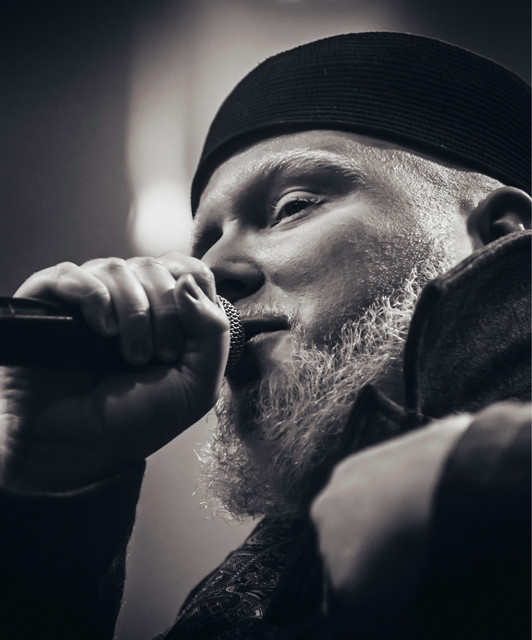
Through tireless touring, in-store events, and a dedicated local retail/meeting space culture, the scene expanded nationally. Albums by Atmosphere and Brother Ali drew attention to the region’s particular blend of vulnerability and grit. Parallel to Rhymesayers, the Doomtree collective emerged, fusing punk-adjacent energy, fleet double-time flows, and dense lyricism with sample collage and synth-forward production. Live-band outfits (e.g., Heiruspecs) reinforced the city’s band-first tradition.
Twin Cities venues, indie record stores, and community radio (e.g., KFAI) provided essential infrastructure. Soundset (founded in 2008) grew into a major national hip hop festival, bringing the wider ecosystem into dialogue with local talent and cementing the region’s reputation for community-centered, independent hip hop.
The 2010s diversified the sound: artists integrated electronic textures, alt-pop sensibilities, and R&B/neo-soul influences while retaining narrative depth. New voices broadened the scene’s perspectives and stylistic palette, and alumni collaborations connected Minnesota artists to national and global audiences. Even as retail and festival dynamics shifted, a durable DIY ethic—mentorship, collaborative shows, and grassroots media—continues to sustain the genre.
Aim for narrative-forward, introspective lyricism delivered with clear enunciation and rhythmic poise. Prioritize honest detail, everyday imagery, and social observation over posturing. Hooks can be melodic but grounded.
Work mostly in mid-tempo grooves (roughly 84–100 BPM). Use boom-bap–inspired drum patterns: sturdy kicks, crisp snares, humanized swing, and tasteful ghost notes. Layer vinyl crackle or room ambience for warmth, and integrate DJ cuts or subtle percussive fills to mark transitions.
Build harmonic beds from jazz/soul samples, Rhodes/chords, or playable keys and guitar. Favor warm minor/extended harmonies (minor 7ths, 9ths) and short, loopable motifs. Balance sample chops with original lines; Minnesota acts often blend the two for an organic feel. Add bass that locks the groove without crowding the vocal.
Write in full scenes: set context, develop tension, and resolve with insight. Use internal rhyme, multisyllabics, and conversational phrasing that suits the story. Alternate tight 16s with reflective bridges or spoken-word sections. Keep choruses concise and singable to offset dense verses.
Structure songs with clear arcs (intro–verse–hook–verse–hook–bridge–hook). Employ dynamic contrast via breakdowns, live-instrument drops, or a cappella bars. On stage, emphasize crowd connection—call-and-response, storytelling intros, and tight DJ/MC chemistry are central to the tradition.
Target warm, present vocals with modest compression and a natural top end. Glue drums and samples with gentle bus compression; avoid over-sterilizing grit. Leave headroom for live elements (bass, horns) and let scratches or ad-libs punctuate sections rather than dominate.

Top albums