Your digging level
Description
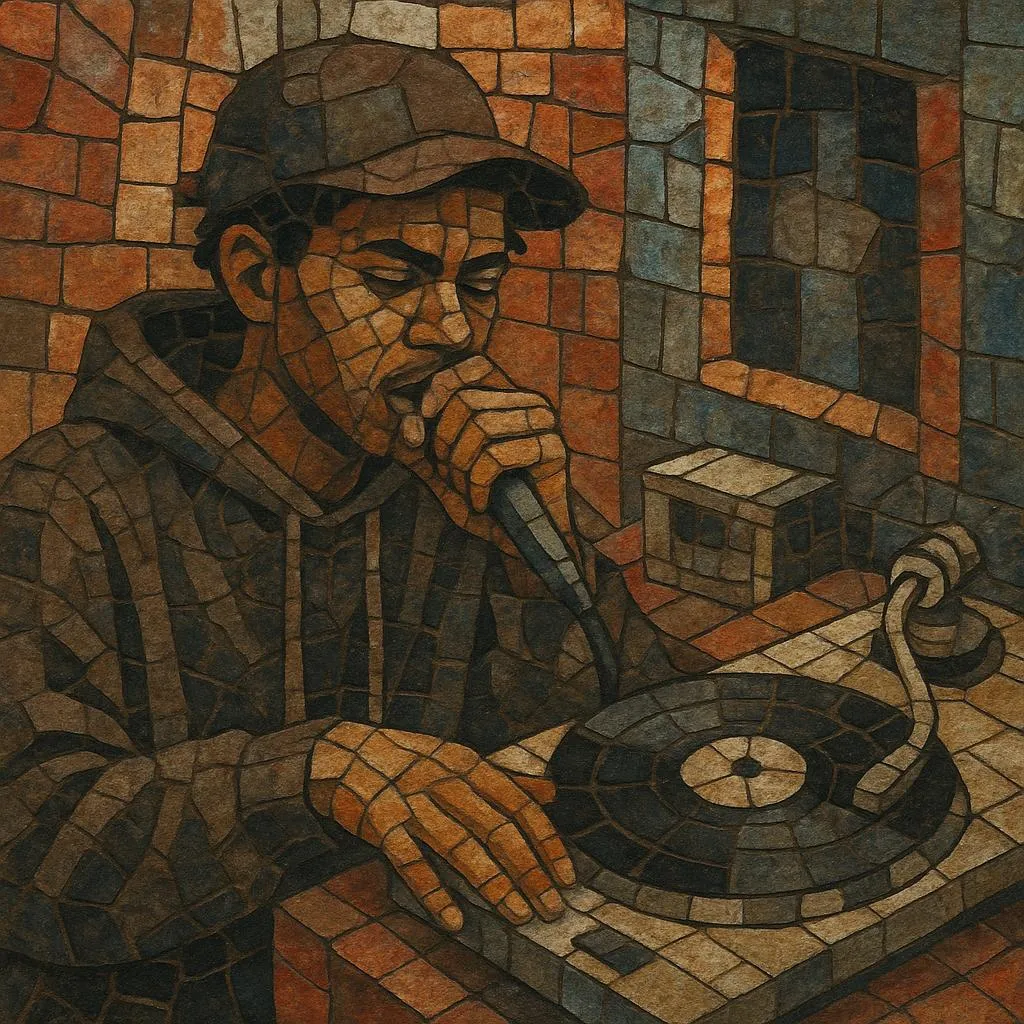
Indie hip‑hop is hip‑hop made and released outside the major‑label system, prioritizing artistic autonomy, DIY production, and community‑driven distribution. It is closely aligned with the countercultural spirit of underground hip‑hop, often positioning itself in contrast to the commercial aesthetics, marketing cycles, and radio formulas of mainstream rap.
Sonically, indie hip‑hop ranges from sample‑heavy boom‑bap and jazz‑rap to experimental, lo‑fi, or left‑field approaches. Lyrics frequently favor introspection, everyday storytelling, social commentary, and inventive wordplay over club‑oriented themes. The scene thrives on small labels, collectives, and direct‑to‑fan platforms (vinyl, Bandcamp, SoundCloud), and yet its artists can still break through via critical acclaim, virality, and chart appearances.
Historically, the genre coalesced around boutique labels and local scenes in the late 1990s and early 2000s, where producers and MCs built recognizable aesthetics—dusty drums, chopped jazz and soul, off‑kilter loops, and idiosyncratic flows—while cultivating audiences outside traditional industry gatekeepers.

History
Indie hip‑hop emerged in the 1990s as MCs, producers, and small labels sought creative freedom apart from the major‑label system. Independent 12″ singles, college radio, zines, and record shops helped circulate music that prioritized lyricism, crate‑digging, and local community over commercial formulas. Boutique labels and DIY distributors became hubs for artists who wanted to own their masters, determine their release cadence, and experiment with sound.
Through the late 1990s and early 2000s, a recognizable indie hip‑hop aesthetic formed: boom‑bap drums with audible swing, dusty jazz/soul chops, off‑grid loops, and idiosyncratic rhyme schemes. Independent tours, small festivals, and specialty record stores sustained a loyal audience. Critics and indie press amplified the scene, and some artists began to cross into broader recognition without sacrificing their independent ethos.
The rise of blogs, Bandcamp, YouTube, and SoundCloud lowered barriers to entry, enabling micro‑scenes and global collaborations. Indie hip‑hop diversified: some strands leaned even more lo‑fi and experimental; others fused singer‑songwriter sensibilities, ambient textures, or psychedelic elements. Artists leveraged direct‑to‑fan models, limited vinyl runs, and social media storytelling to sustain careers outside traditional radio and label infrastructures.
Streaming platforms and algorithmic discovery allow indie hip‑hop to remain both niche and visible. The scene continues to prize authorship, self‑production, and community, while its DIY methods and aesthetics have influenced widespread corners of rap, from emo‑leaning confessional styles to textural lo‑fi beats and internet‑native movements. Despite its countercultural positioning, indie hip‑hop artists regularly achieve virality and critical accolades.
![[FREE] Alternative Hip Hop Type Beat - "falling in"](https://i.ytimg.com/vi/yQcuu6G5S14/hqdefault.jpg)