Your digging level

For this genre
0/8
🏆
Sign in, then listen to this genre to level up

Description

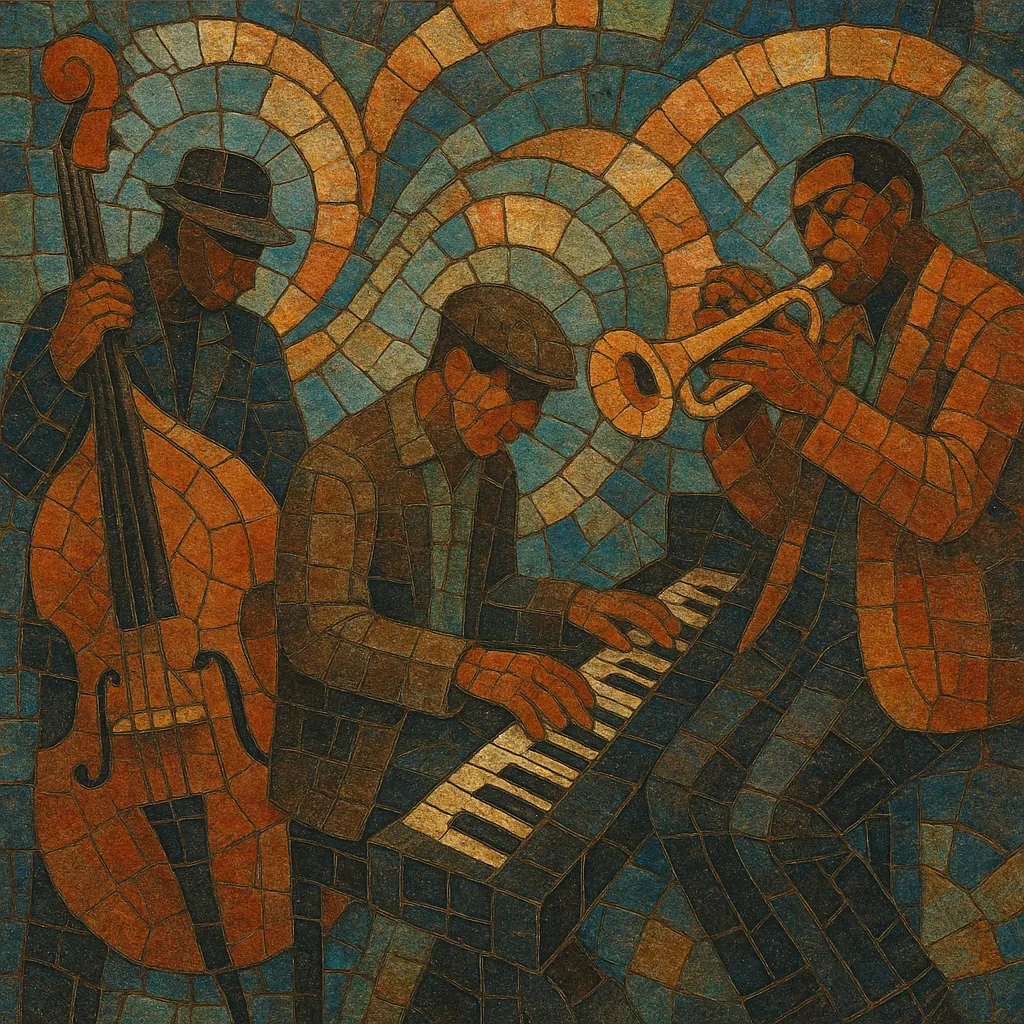
Jazz beats is a hip hop-adjacent instrumental style that foregrounds jazzy harmony, swing-inflected drum programming, and warm, sample-based textures. Producers stitch together Rhodes chords, upright bass, brushed snares, and sax or guitar licks into head-nodding grooves that feel intimate and mellow.

Rooted in boom bap and jazz-rap traditions, the sound emphasizes loop craft and pocket over virtuosic solos, often evoking the cozy ambience of late-night sessions and vintage vinyl. In the streaming era, jazz beats became a staple of study and relaxation playlists, bridging classic jazz sensibilities with contemporary beatmaking aesthetics.


Sources: Spotify, Wikipedia, Discogs, Rate Your Music, MusicBrainz, and other online sources

History

Origins (1990s)

Jazz beats grew out of hip hop’s sample culture and jazz-rap’s embrace of acoustic instrumentation and complex harmony. Producers in the United States began looping jazz records—horn lines, Rhodes voicings, walking bass—and pairing them with boom bap drums. This period established the template: swing or lightly shuffled grooves, extended chords (maj7, 9, 11), and relaxed, head‑nod tempos.

Refinement and Globalization (2000s)

In the 2000s, crate-digging and MPC-centric workflows refined the sound. Japanese and European producers helped globalize the aesthetic, blending downtempo, trip hop, and nu jazz with hip hop beatcraft. Iconic albums and anime soundtracks connected jazz harmony and beat culture for a new international audience, emphasizing mood, melody fragments, and intimate, lo‑fi textures.

Streaming Era Codification (2010s–2020s)

Playlists and 24/7 streams popularized the tag “jazz beats,” codifying it as a mellow, study‑friendly subset of instrumental hip hop. The style embraced tape hiss, vinyl crackle, subtle sidechain compression, and minimal arrangements that prioritize vibe and repetition. While still rooted in jazz sampling and harmony, contemporary jazz beats also incorporate live session overdubs, software instruments, and tasteful sound design to achieve warmth and depth.

How to make a track in this genre

Core Palette
•   Harmony: Favor extended chords (maj7, min9, 11ths, 13ths), modal color (Dorian, Lydian), and voice-leading that moves smoothly between close voicings. •   Instruments: Rhodes/Wurlitzer, upright or soft electric bass, brushed kit or jazzy breakbeats, guitar comping, sax or vibraphone for short motifs. Augment with vinyl crackle, tape hiss, and subtle field noise.
Rhythm and Feel
•   Tempo: Typically 70–95 BPM (half‑time feel) or 88–100 BPM classic boom bap. •   Groove: Light swing or micro‑shuffle. Humanize timing—slightly late kicks/snares, varied hat velocities—to emulate a live drummer. •   Drums: Layer a woody kick, dusty snare (often from jazz breaks), soft hats/ride. Use parallel compression and gentle saturation for glue.
Sound Design and Sampling
•   Sampling: Chop jazz records (piano, horns, vibes) or record your own licks. Low‑pass filtering and EQ carving preserve warmth while making room for drums and bass. •   Texture: Subtle saturation (tape, tube), wow/flutter, and room reverb set the mood. Keep dynamics relaxed with soft bus compression.
Arrangement and Structure
•   Form: Short A–B sections or 8–16‑bar loops with intro/outro textures; occasional breakdowns with drum mutes or filtered passages. •   Melody: Use concise motifs; let harmony and timbre carry the track. Reserve solos for brief statements rather than virtuosic showcases.
Practical Tips
•   Start with a chord loop that sets the vibe; add a swung drum pattern and a supportive bass line that outlines chord tones and guide tones. •   Sidechain bass subtly to the kick for pocket, not pump. Automate low‑pass or noise layers for motion. •   Reference vinyl-era jazz and classic boom bap to calibrate tonal balance and groove.

Top tracks

Locked
Share your favorite track to unlock other users’ top tracks
Influenced by
Has influenced
Challenges
Digger Battle
Let's see who can find the best track in this genre
© 2026 Melodigging
Melodding was created as a tribute to Every Noise at Once, which inspired us to help curious minds keep digging into music's ever-evolving genres.
Buy me a coffee for Melodigging