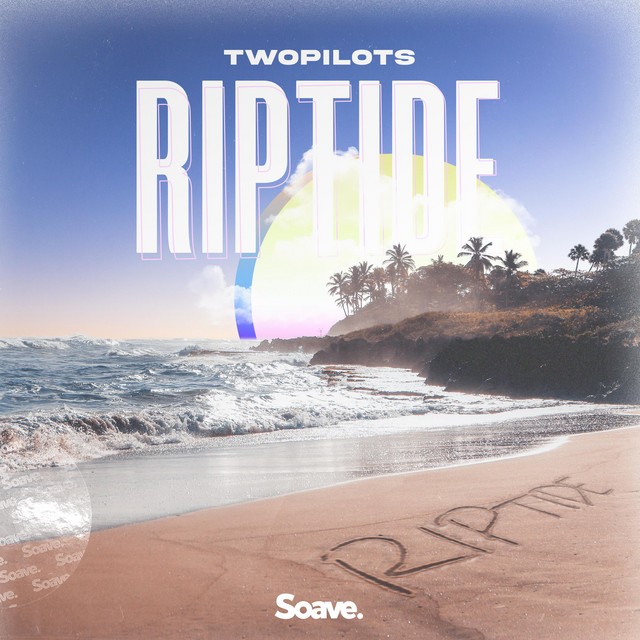
Riptide
Braaten, JANU, MKJ, RIELL, nowifi, LissA, LONO, AVY X, Muller, Yann, Rowen Reecks, Bymia, Poylow, Lari, Britt, Sad Puppy, DuoViolins, Catharina, Annika, Jean Juan, Discrete, LIM3, Crowe, Ollie, Iva Rii, Nexeri, RIELL, HADES, Mingue, Keyrouz, Anthony, Paradigm, Love, Ashton, RIELL, HAWK, Bellsavvy, Momentum, Level 8, Nobel, Marco, Geena, Madison, Morgin, Braaten, JANU, Shoby, Wendler, Adam, Nexeri, RIELL, Glaceo, Leck, Pierre, LVAN, maybealice, Sylow, Leck, Pierre, Kingsley Q, TWOPILOTS, Beck, Lars, Purnell, Henri, Zekt, WHOCARES, Deraz, Jaime, Glaceo, Leck, Pierre, Cookin’ on 3 Burners, Revelries, Purnell, Henri, Amari, Houssem, Martinez, Amelie, Teddy Beats, Le Boeuf, Jolee Nikoal, Chows, Sleepy, Antomage, Bromage, AZ2A, HADES, Keyrouz, Anthony, Glaceo, Madism, Masove, Mills, Brendan, Mandrelli, Teo, yesh, HONEY, Chows, Sleepy, JKLN, Antomage, Maxé, Samira, Lara, Revelries, Purnell, Henri, Crowe, Ollie, Iva Rii, Ashanti, INFINITY, MŪNTII, TWOPILOTS, Hofnar, De, Verhouzer, Kav, Axero, farfetch'd, Tobtok, UnoMas, Geena, Suncatchers, The, glasscat, twocolors, Dragt, Sofia, nowifi, LissA, Keyrouz, Anthony, Paradigm, BELLA X, Aurya, Madison, Morgin, Púr Múdd, Going Deeper, Veronica Bravo, Purnell, Henri, Love, Ashton, East Love, PALASTIC, Chuba, Nina, Thundatraxx, Bauke Top, Shoby, Naylor, Izzie, HGZ, Masove, Jovieson, Burrstone, Tess, LONO, AVY X, Kid On The Block, Maxé, Sue, Lena, LO, TWOPILOTS, Hofnar, De, LissA, Saco, Sebastiën, Madism, MKJ, Samuel, Felix, Chaël, PHZES, Linney, Muller, Yann, Glaceo, RIELL, Cruz, Alex, Brascon, Rubenson, Nexeri, Nexeri, RIELL, Saco, Sebastiën, Glass Keys, Menrva, Senior, Dani, Horizon Blue, FIXL, Wills, Matt, WHOCARES, Pars, Kaan, Emie, Ninski, Paradigm, Russo, Anica, ZOOO, Nexeri, Adams, Yvette, Addal, CRÜPO, LissA, Nexeri, RIELL, Ninski, Harina, Jay Are, ConKi, Wilkinson; Mark, Purnell, Henri, Candy, Graham, Imad, Wave Wave, Samia, White Trumpet, Kings, Elliot, Riggs, Honestly, Santoro, Daniel, Keyrouz, Anthony, Mingue, Artola, Eneko, Soundwaves, KOA, Nexeri, ConKi, Jex, YES YES, Jaxomy, Keys & Copper, Shanna Michelle, Madison, Morgin, Saco, Maurits Beelen, Aurya, Madism, Masove, Mills, Brendan, Besomorph, Mougleta, Coopex, Keyrouz, Anthony, ZANA, TWOPILOTS, Kiismin, Veronica Bravo, Nexeri, Polux, XYSM, BERMUDA, Le Boeuf, Level 8, Schunk, Maxim, Britt, TWOPILOTS, Xenea, Roschnai, Nico, Midnight Purple, Viva La Panda, Her Majesty, Hoxha, Marin, Veronica Bravo, TWOPILOTS, Rasster, dʌb music, Big Z, Keyrouz, Anthony, ZANA, Ninski, TEYA, Braaheim, Kid On The Block, Shoby, Keyrouz, Anthony, Jean Juan, Judge, Richard, AALLAR, DeejaVu, MOONLGHT, YES YES, Coopex, Kings, Elliot, Joel Coopa, Hair, Rylan, Crowe, Ollie, PALASTIC, NOVUM, Shoby, Nobel, Marco, Alek Sandar, Juicy J, Nexeri, Louise, Tara, Level 8, Schunk, Maxim, Veronica Bravo, CRÜPO, MKJ, B Martin, Mendy, Mark, Paradigm, Aris, Tiffany, Braaheim, Braaten, Nexeri, Henry, Anna-Sophia, MOONLGHT, Solar State, Beach, The, TWOPILOTS, VLLN, BassBears, Robbie Rosen, TWOPILOTS, Keyrouz, Anthony, Paul, Jon, HAWK, Glazba, Auldist, Kylie, TWOPILOTS, Rose, Toby, Zita, Rasster, EFER, Schunk, Maxim, JVDN, Castellino, Emma, LONO, Crowe, Ollie, First, Denis, White, Laura, Snow, Avi, LVAN, Sif Saga, Ninski, TEYA, LVAN, hinoon, Goldberg, Diana, Muller, Yann, Dawiid & K, Josef, LVSN, ZANA, Diviners, Tom Bright, MOONLGHT, Coopex, Settow, Snow, Avi, LVAN, BIMINI, Level 8, Findz, Archelli, Veronica Bravo, Masove, Mills, Brendan, Burrstone, Tess, BERMUDA, Masove, Scarlett, Rose, Toby, TWOPILOTS, Braaheim, Maoam, Murdbrain, Level 8, Mendy, Mark, Mont, Séb, Hanno, MOONLGHT, MaMan, JONJEN, Tadeusz, MOONLGHT, Rose, Toby, ALUR, Næss, Eirik, Keyrouz, Anthony, Coopex, Heleen, MOONLGHT, Boehm, Nayna, Hans, MOONLGHT, nowifi, Tran, Tommy, Della, Levis, Coopex, Rudeejay, Da Brozz, BELLA X, Coopex, Gidexen, Robbie Rosen, Crocicchia, Andrea, 2Hounds, Tudor, Glass Keys, Menrva, Senior, Dani, Big Z, NSH, Saco, Sparkle, Isabel Prada, Braaheim, MOONLGHT, Crowe, Ollie, Jaxomy, Crowe, Ollie, Bromage, Vigil, KYRIL, Braaheim, Now O Later, Nobel, Marco, Jane, Yasmin, Old Jim, EMAX, Jetason, Martinez, Amelie, Karek, Anis, Amari, Houssem, Nobel, Marco, Glass Keys, Bellinger, Tyler James, Lacey, James, Namté, Boostereo, Plum, Ben, Old Jim, James, Alex, Arc North, Shiah Maisel, HADES, Verhouzer, Kav, Saco, TWOPILOTS, AALLAR, Rasster, Treetalk, Diviners, Level 8, Charming Horses, Saco, Sparkle, Isabel Prada, Matura, Alex, Vapid Square, Aexcit, ILYAA, Silke, Solar State, Markvard, Pierse, Aexcit, HILLArious, LUDVIC, Big Z, B Martin, Braaheim, ILYAA, URBANO, DE SOFFER, Michael, Oliver, Braaheim, ILYAA, EMMY, DE SOFFER, Vanillaz, ILYAA, Dani Vidi, HYPER BOYZ, TWOPILOTS, Braaheim, Den BB, Braaheim, K‐391, Strand, Nick, Artola, Eneko, Braaheim, ILYAA, URBANO, Nobel, Marco, Jorm, Mathea, Maria, Big Z, Treetalk, Solar State, James, D.T., Braaheim, ILYAA, Maoam, Rodrigezz, Rene, Schunk, Maxim, TWOPILOTS, Carston, Horizon Blue, Braaheim, Besomorph, Den BB, Santi, Dei, LAUWE, Lacey, James, ODBLU, Now O Later, HYPER BOYZ, Felixx, Braaheim, Braaheim, Now O Later, Shoby, AALLAR, Madism, Hersey, James, ILYAA, HYPER BOYZ, Atli, Onur, Melih Arslan, Szabo, Maggie, No ExpressioN, Rose, Toby, One Trick Pony, Kilma, Max Marchisio, TWOPILOTS, One Trick Pony, Bjerke, Braaheim, ZANA, WHOCARES, Yvette, Anna, Horizon Blue, Braaheim, Ken, HYPER BOYZ, Santoro, Daniel, Horizon Blue, Samuel, Felix, rshand, TWOPILOTS, Louise, Xtina, Lefwee, Level 8, Felixx, Max Marchisio, Kid On The Block, Namté, TWOPILOTS, SaberZ, MITCH DB, Elshay, ILYAA, Rico 56, Sickrate, Tropical Tide, Edwardo Atlas, Braaheim, ILYAA, HYPER BOYZ, ILYAA, Kazhi, Vanillaz, Deepend, Treetalk, DE SOFFER, Muller, Yann, ODBLU, Valia, AALLAR, Braaheim, ILYAA, HYPER BOYZ, Max Marchisio, Gaia Rose, Viva La Panda, Her Majesty, James, D.T., KimBo, Douglas, Carl, Coppermines, Aexcit, Braaten, JANU, RÆ, Braaheim, K‐391, Strand, Nick, Aexcit, Moore, Loren, Now O Later, HYPER BOYZ, Felixx, Wassen, Max, Damien N‐Drix, Braaheim, ILYAA, EMMY, ILYAA, Braaheim, HYPER BOYZ, Saco, Isabel Prada, Pierse, Markvard, Summer Vibes, Braaheim, Mills, Brendan, Burrstone, Tess, Tobtok, Hanne Mjøen, TWOPILOTS, Forever Kids., Tobtok, PALASTIC, Welch, Sam, Kapuzen, Gaia Rose, Messer, Roman, Prime Punk, HANDED, TWOPILOTS, Braaheim, ILYAA, URBANO, ILYAA, Silke, TWOPILOTS, Moo Malika, JOEF, Saco, Messer, Roman, Prime Punk, HANDED, Braaheim, Besomorph, ILYAA, Lefwee, Level 8, Felixx, WHOCARES, Daniel Best, Deraz, Jaime, AALLAR, Tropical Tide, LauraLee, Braaheim, ZANA, Goldaine, Tropical Tide, Braaheim, Ken, HYPER BOYZ, MOTi, Braaheim, Fedders, Kezano