Your digging level
Description
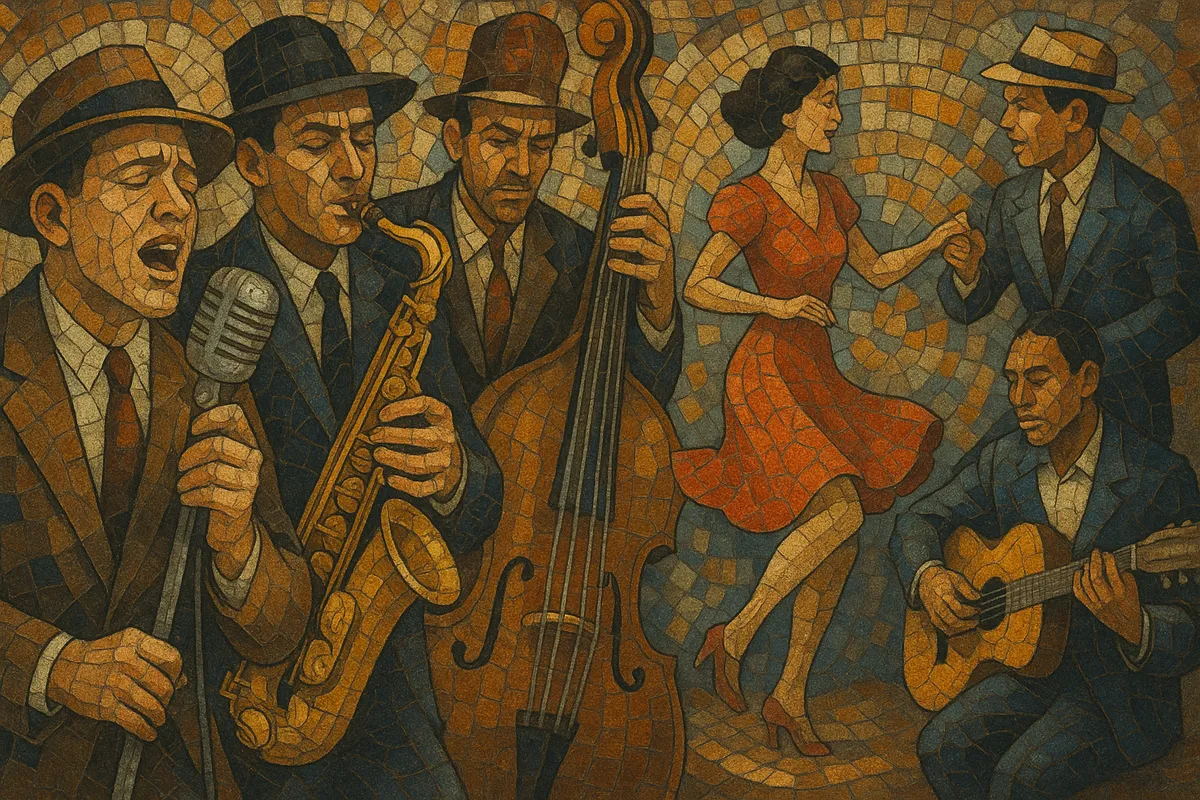
Swing revival (often called neo-swing) is a late‑20th‑century resurgence of 1930s–1940s big band swing and jump blues, performed with modern rock and pop energy. Bands typically feature punchy horn sections, walking bass, four‑to‑the‑bar guitar, and crooner or shout‑style vocals that celebrate nightlife, dancing, and retro style.
While firmly rooted in classic swing arranging, the revival emphasizes contemporary production, faster tempos, and stage showmanship. It also intersected with a broader vintage culture—zoot suits, lindy hop, and cocktail aesthetics—bringing partner dance back to mainstream club stages and television.


History
Groups in Los Angeles and other U.S. cities began reviving pre‑war swing, jump blues, and big band stylings, but delivered them with the punch of rock clubs rather than ballrooms. Royal Crown Revue helped establish a visible club circuit, and regional scenes formed around dance nights where lindy hop and jitterbug returned.
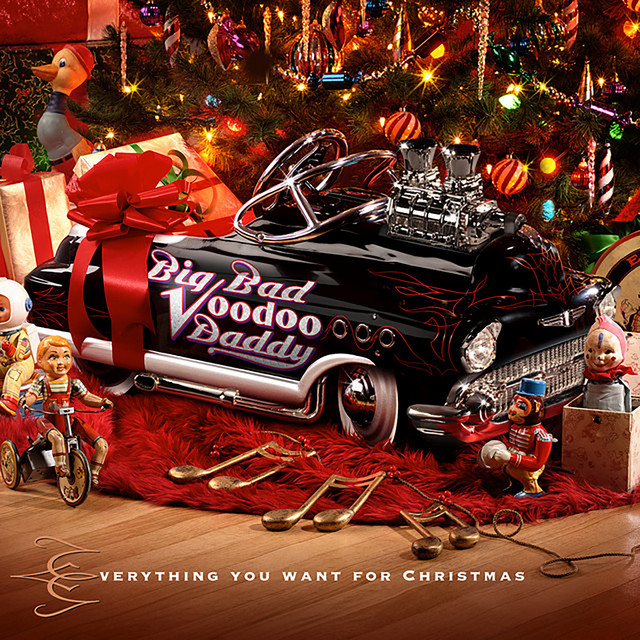
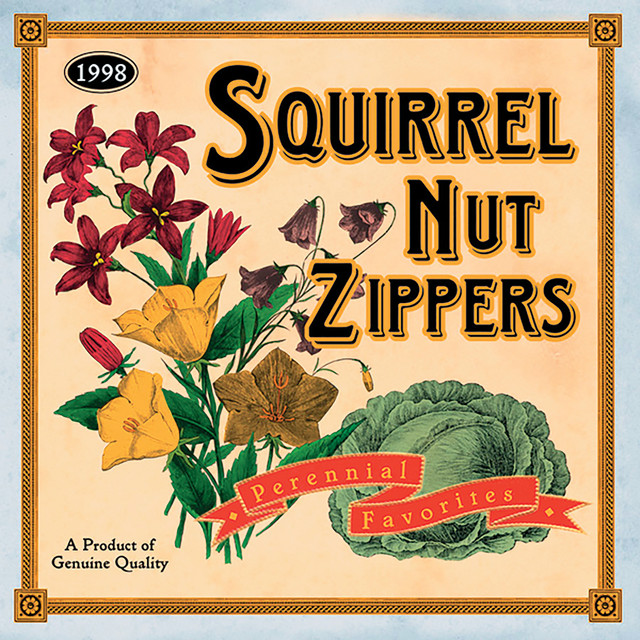
The revival hit mainstream awareness through film, TV, and advertising. The 1996 film "Swingers" showcased the scene’s look and dance culture and boosted bands like Big Bad Voodoo Daddy. Cherry Poppin’ Daddies’ compilation "Zoot Suit Riot" (1997) scored radio play, Squirrel Nut Zippers crossed over with “Hell,” and The Brian Setzer Orchestra’s cover of “Jump, Jive an’ Wail” became a signature hit. High‑profile slots, including a 1999 Super Bowl halftime appearance by Big Bad Voodoo Daddy, cemented the surge.
The boom coincided with a renaissance of vintage fashion, cocktail culture, and social partner dancing. Scenes often centered on weekly swing nights, with instructors teaching lindy hop, jitterbug, and Charleston. Live shows emphasized theatrical horn riffs, shout choruses, and dance‑friendly breaks.
The commercial bubble subsided in the early 2000s, but many bands remained active on festival and dance circuits. The revival’s visibility helped seed later hybrids such as electro swing and sustained ongoing interest in authentic big band repertoire, social dancing, and retro‑minded pop performance.
Use a rhythm section (drums, upright bass, piano, and a comping guitar playing four-to-the-bar) plus a tight horn section (typically 2–3 saxes, 1–2 trumpets, and 1–2 trombones). Add clarinet for vintage color and employ mutes (Harmon, cup, or plunger) for classic timbres.
Write over 12‑bar blues, Rhythm Changes (AABA 32‑bar), or simple verse–chorus forms embellished with ii–V–I cadences and circle‑of‑fifths motion. Favor major keys, blue notes, and occasional minor‑key noir moods.
Aim for swung eighths with a ride/hi‑hat pattern emphasizing 2 and 4. Keep tempos largely between 140–200 BPM for danceability. Use walking bass lines, crisp backbeat hits, and short drum fills that set up horn punches and dance breaks.
Build arrangements around riff‑based call‑and‑response between horns and vocals. Include a “shout chorus” near the end with layered section lines, modulations, or dynamic hits to ignite the dance floor. Write soli passages (e.g., sax soli) and leave space for short, melodic solos.
Craft singable, blues‑tinged melodies with swing phrasing and playful syncopation. Vocals can be smooth (crooner) or brash (shouter), often referencing nightlife, style, romance, and clever double entendres in a tongue‑in‑cheek retro voice.
Track live where possible to capture ensemble energy. Use minimal quantization and let the pocket breathe. Spotlight the horn section, keep drums tight but natural, and leave headroom for dynamic shout sections. On stage, lean into showmanship, coordinated attire, and interaction with dancers to underscore the genre’s social roots.