Your digging level
Description
Utopian virtual is an online-born microgenre that recreates the glossy optimism of late‑20th‑century futurism and corporate media. Instead of relying on chopped samples like much vaporwave, producers write original cues that sound like in‑house ‘90s corporate BGM, software demos, tech‑expo reels, and promotional VHS soundtracks.
The palette leans deliberately "tacky": General MIDI and ROMpler presets, glassy digital bells, airy synth brass, smooth-jazz pads, and bright slap or fretless bass. The result is a clean, hyper-synthetic sheen that suggests a frictionless corporate future—equal parts sincere nostalgia and gently uncanny pastiche.


History
Utopian virtual emerged within the broader post‑vaporwave ecosystem during the early to mid‑2010s. Artists and labels sought to move beyond sample collage by composing original tracks that still evoked corporate futurism, trade‑show optimism, and media-department BGM of the late 1980s–1990s. The approach explicitly contrasted with vaporwave’s sample-based methods while retaining its fascination with consumer tech and branded spaces.
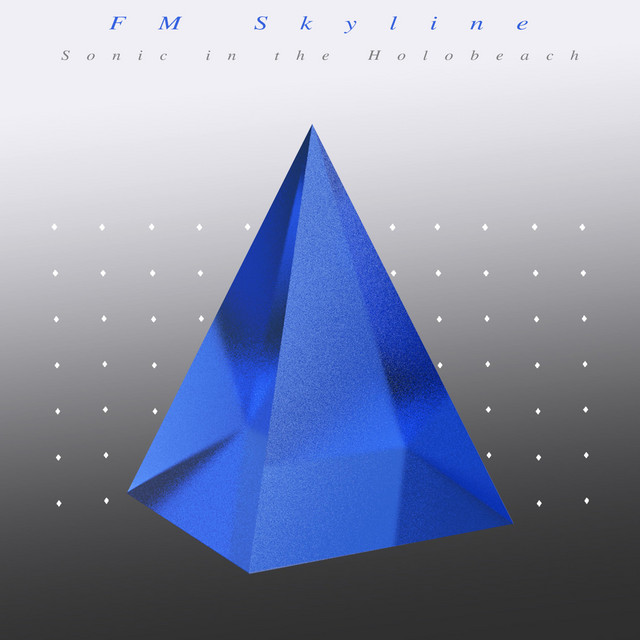
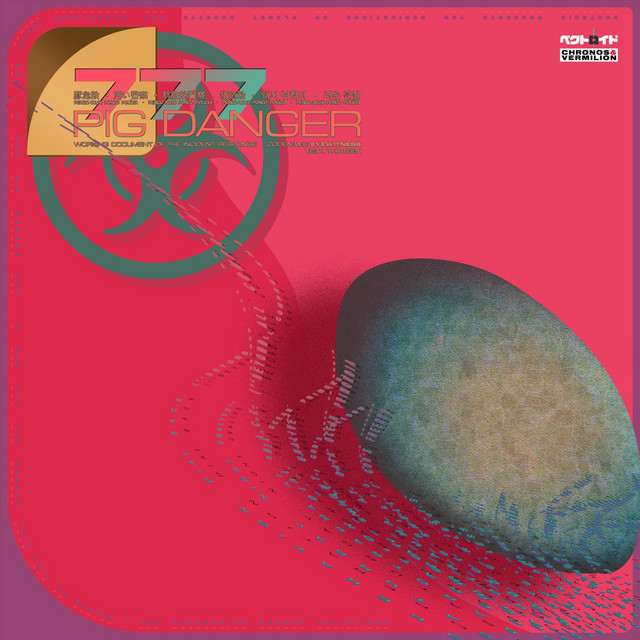
The style coalesced around glossy MIDI timbres, ROMpler-era presets, and smooth-jazz harmony, channeling software demo music, promotional videos, and exhibition soundtracks. Visuals typically feature sleek typography, virtual plazas, grids, and aspirational tech imagery to reinforce the “optimistic corporate future” vibe.
As the decade progressed, utopian virtual influenced adjacent scenes that favored original composition—spilling into ambient‑leaning vapor currents, study/relax playlists, and hybrid ambient–IDM spaces. It remains a go-to idiom for evoking cheerful, ergonomically designed futurity without irony, even as artists continue to blur its borders with dreampunk, synthwave, and pop ambient.
Use General MIDI/ROMpler-style presets (e.g., Digital Piano, Synth Brass 1, Marimba, Vibraphone, Glass Pad), bright chorus guitar, and clean fretless or slap bass. Favor pristine, low‑noise digital synths over analog grit. Add tasteful corporate stingers and logo hits.
Write in major keys with smooth-jazz color: maj7, maj9, add9, and sus2 chords; stepwise lead lines; parallel thirds/sixths; and optimistic cadences (I–VI–IV–V, I–IV–V–IV). Incorporate modulations up a whole step for “uplift” moments, and use melodic earworms suitable for short IDs.
Keep tempos moderate (80–110 BPM for BGM flow; up to 120 BPM for showcase reels). Program tight, unobtrusive drums with gated snares, light congas/shakers, and quantized hi‑hats. Grooves should feel frictionless rather than funky—think lobby or trade‑show underscoring.
Structure cues like corporate beds: 8–16 bar intro (brandable motif), steady middle section for voiceover, and a brief “button” ending. Layer pads → arpeggios → lead hook, maintaining clarity so narration could sit on top.
Aim for a glossy, noise‑free sheen: gentle bus compression, bright but smooth highs, subtle chorus, and short plate/room reverbs. Avoid heavy saturation; prioritize headroom and intelligibility. Use subtractive EQ to keep midrange open.
Title tracks with aspirational tech vocabulary (e.g., “Innovation Hub,” “Virtual Plaza”), and pair releases with sleek, late‑‘90s corporate design to reinforce the concept.