Your digging level

For this genre
0/8
🏆
Sign in, then listen to this genre to level up

Description

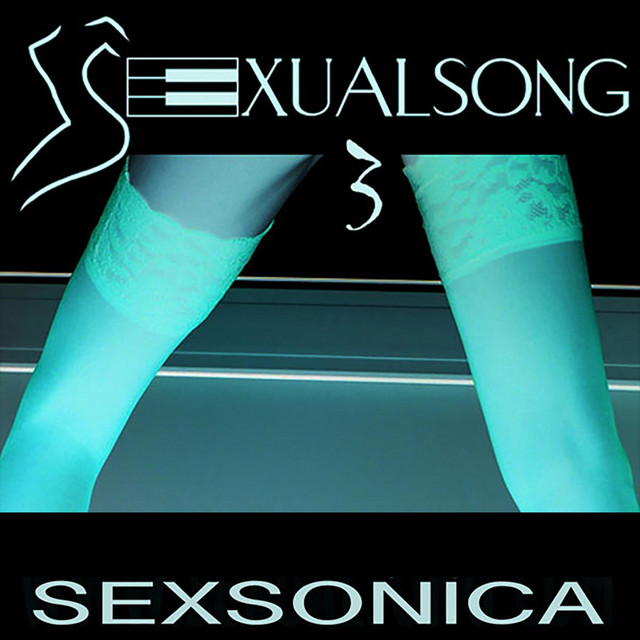
Erotic product is a functional, mood-driven umbrella for sensual background music curated for intimate ambience—think candle-lit lounge cues, velvety downtempo grooves, and slow, sultry instrumentals designed to stay out of the way while setting a seductive tone.

Stylistically it blends the silkiness of smooth jazz and lounge with the atmospheric pulse of trip‑hop, chillout, and ambient. Tempos are slow to mid-slow, bass is round and tactile, keys are warm (Rhodes, pads), and leads often come from breathy vocals, saxophone, muted trumpet, or nylon‑string guitar. Production favors soft transients, tape‑like saturation, lush reverbs, and gentle filters.

The tag emerged and proliferated in the streaming era as a descriptive label used by stock/catalog producers, DSP playlist editors, and background‑music libraries to signal music optimized for romance, intimacy, massage/spa environments, and late-night listening.


Sources: Spotify, Wikipedia, Discogs, Rate Your Music, MusicBrainz, and other online sources

History

Early antecedents (1960s–1990s)

The sensual background aesthetic predates the label itself. Mid‑century bachelor‑pad and lounge records, easy listening, exotica, bossa nova crossovers, and later 1970s "quiet storm" R&B established a template for slow tempos, intimate vocals, and plush orchestration. In the 1990s, trip‑hop, downtempo, chillout, and nu jazz added modern drum programming, vinyl textures, and nocturnal atmospheres, re-centering the sound for clubs, cafés, and compilations.

The catalog/production era (2000s)

As production libraries and royalty‑free catalogs grew, composers began delivering purpose‑built cues for romance and spa/massage environments. The music leaned instrumental, with smooth‑jazz timbres and downtempo beats, designed for continuous playback in hospitality and retail settings.

Streaming and metadata (2010s–present)

With the rise of DSPs and search-led listening, "erotic product" emerged as a descriptive tag used by playlist curators and catalog producers to surface sensual background tracks. The sound absorbed contemporary influences—lo‑fi hip hop’s muffled warmth, ambient’s spaciousness, and modern pop’s soft side‑chain swells—while remaining function-first: consistent mood, unobtrusive hooks, and mix‑ready masters.

Today

The tag is now a micro‑economy of global producers crafting intimate, slow‑groove instrumentals and whisper‑forward songs aimed at playlists for romance, love, and relaxation. It coexists with adjacent functional tags (spa, massage, sleep, study) and borrows freely from smooth jazz, chillout, and trip‑hop while emphasizing consent‑positive, tasteful sensuality over explicitness.

How to make a track in this genre

Tempo & groove
•   Aim for 60–90 BPM (occasionally up to ~100 BPM) in 4/4. •   Use relaxed, pocketed grooves: laid‑back snares, soft kicks, lightly swung 16ths, and sparse percussion (shakers/brushes). Keep fills minimal to preserve flow.
Harmony & melody
•   Favor extended jazz/pop voicings: maj7, min9, 11ths/13ths, add9s, and tasteful chromatic passing tones. •   Common moves: ii–V–I (major), i–♭VII–♭VI (minor), I–vi–IV–V with color tones, or iv (borrowed) to add warmth. •   Melodic leads should be intimate and breathy: tenor sax, muted trumpet, electric piano top‑lines, nylon‑string guitar, or hushed vocals. Keep phrases short, suggestive, and call‑and‑response with the harmony.
Sound palette & production
•   Core instruments: Rhodes/Wurlitzer, warm pads, round electric bass, soft synths, nylon/electric guitar with chorus, and gentle sax/trumpet. •   Texture: tape or transformer‑style saturation, light vinyl noise, plate/spring reverbs, short slap delays. •   Filtering: low‑pass automation on intros/outros; subtle side‑chain (kick → pads/bass) for a breathing effect. •   Keep transients smooth; de‑ess breathy vocals. Mono‑compatible, centered low end.
Arrangement & dynamics
•   Build in waves: 8–16 bar sections with small additions (congas, arps, background vocals) rather than big drops. •   Allow space; avoid over-arranging. Target seamless looping and easy playlist sequencing.
Lyrics & themes (if using vocals)
•   Use sensual metaphor and imagery; prioritize consent, romance, and tenderness. •   Avoid harsh consonants or dense syllables that compete with the texture; lean into legato phrasing and whispers.
Mixing & mastering
•   Gentle top‑end; smooth 2–6 kHz to keep textures silky. •   Bass warm but controlled (HPF non‑bass at 80–120 Hz). Light bus glue and conservative limiting to retain breath and headroom.

Top tracks

Locked
Share your favorite track to unlock other users’ top tracks
Influenced by
Has influenced
Challenges
Digger Battle
Let's see who can find the best track in this genre

Download our mobile app

Get the Melodigging app and start digging for new genres on the go
© 2026 Melodigging
Melodding was created as a tribute to Every Noise at Once, which inspired us to help curious minds keep digging into music's ever-evolving genres.
Buy me a coffee for Melodigging