Your digging level
Description
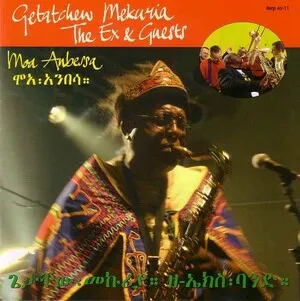
Ethio‑jazz (Ethiopian jazz) is a distinctive fusion of traditional Ethiopian modal melody and rhythm with the harmonies, improvisational language, and instrumentation of jazz.
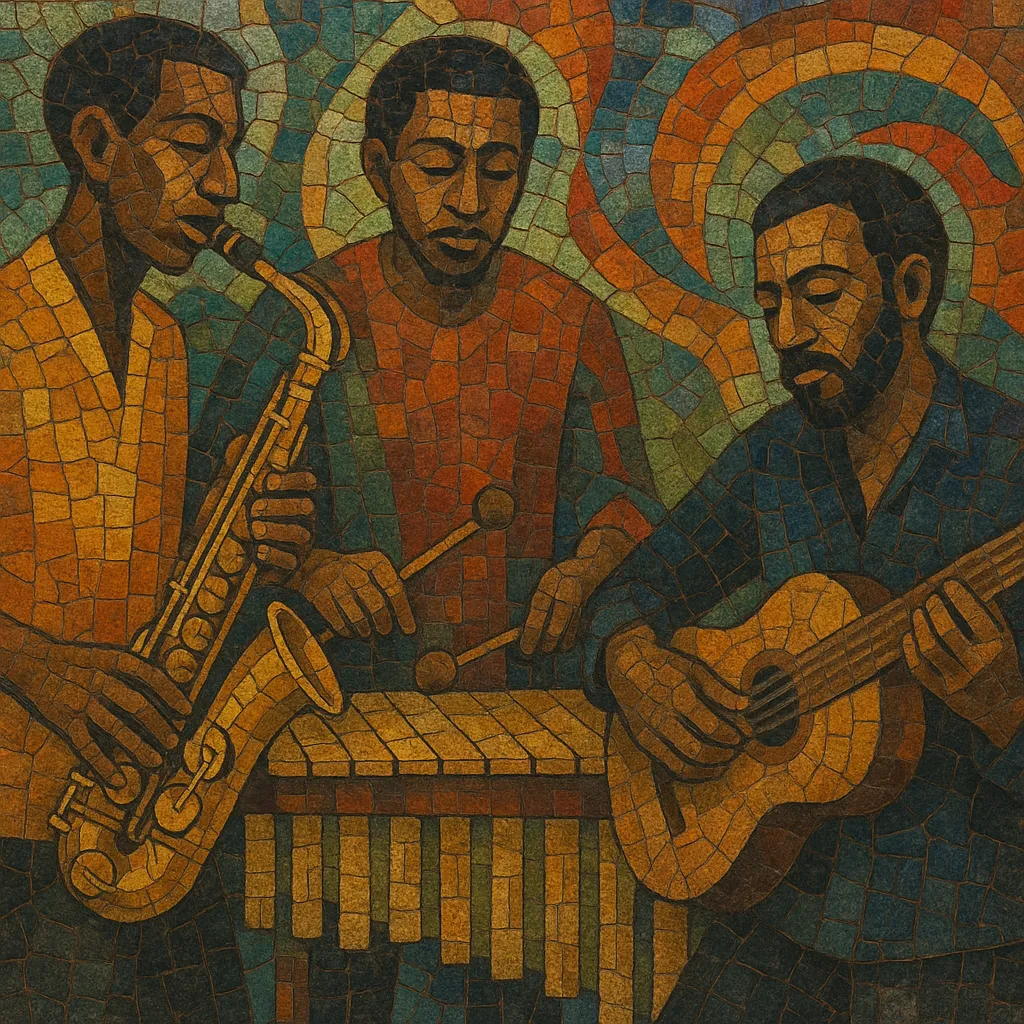
Rooted in Ethiopia’s pentatonic qenet (modes)—such as tizita, bati, ambassel, and anchihoye—it places these characteristic scales over Western jazz ensembles (horn sections, piano/organ, guitar, bass, drums) and, at times, indigenous instruments like krar, masenqo, and kebero. The result ranges from sultry, minor‑tinged laments to hypnotic, groove‑forward vamps, often colored by vibraphone, organ, and saxophone timbres.
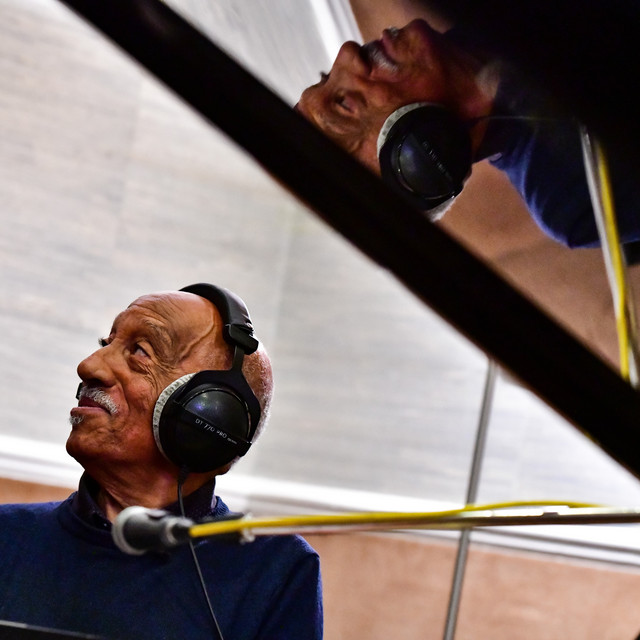
Over time, Ethio‑jazz absorbed elements of soul, funk, Afro‑Latin and Afro‑Cuban rhythms, contributing to a sound that can be both melancholic and danceable, nostalgic and cosmopolitan. Mulatu Astatke—widely considered the father of Ethio‑jazz—was pivotal in crystallizing this language and popularizing it internationally.