Your digging level
Description
Ethiopic music refers to music created by communities who speak Ethiopian Semitic languages (such as Amharic, Tigrinya, Tigre, Ge'ez, and Gurage languages). It spans sacred and secular traditions across Ethiopia (and contiguous Eritrean areas), unified by characteristic modal systems, vocal styles, and indigenous instruments.
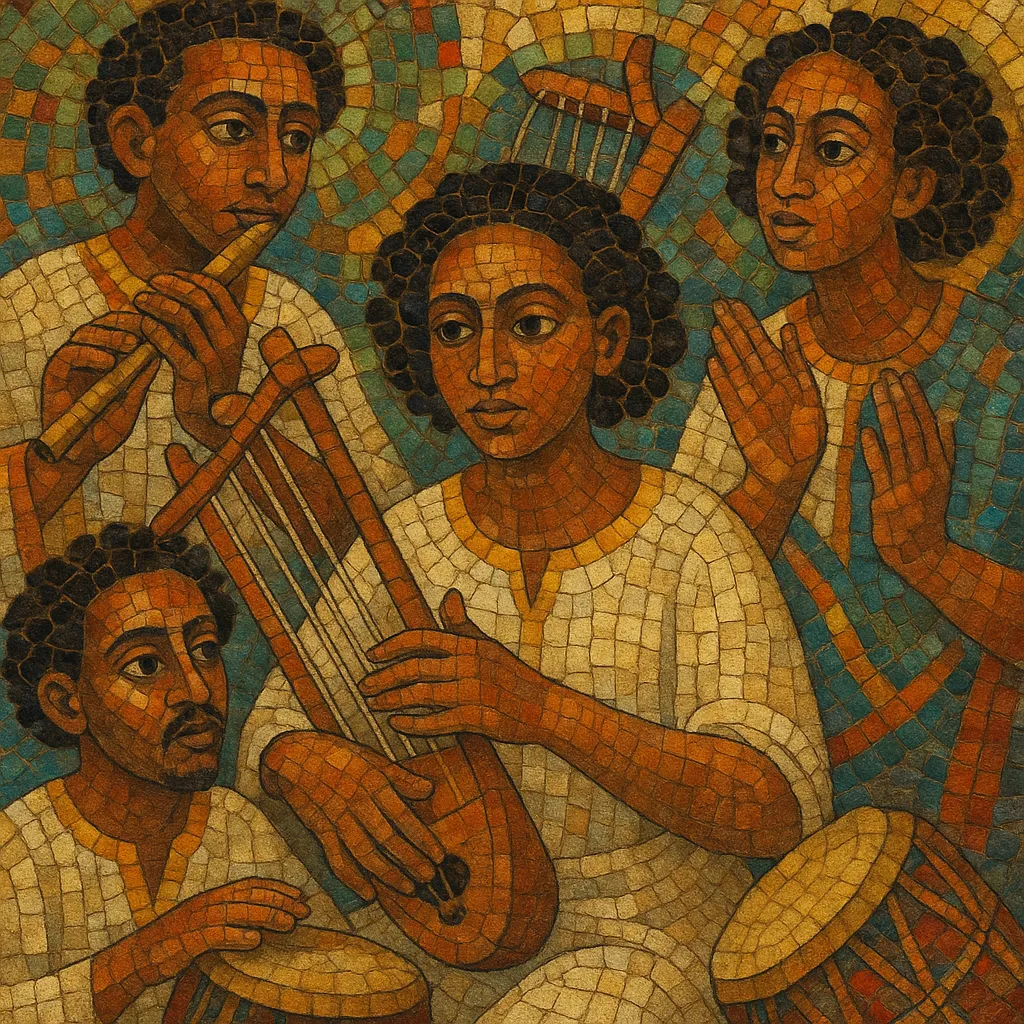
Its sound world is shaped by pentatonic modal frameworks (the qenet system: tizita, bati, ambassel, anchihoye), melismatic and responsorial singing, and distinctive timbres from instruments like the krar (lyre), masenqo (one‑string fiddle), begena (large lyre), washint (flute), and kebero (drum). The Ethiopian Orthodox liturgical chant (zema), traditionally attributed to Saint Yared, coexists with bardic azmari music, wedding repertoires, and modern urban styles that have incorporated brass, saxophone, and later guitar/keys.
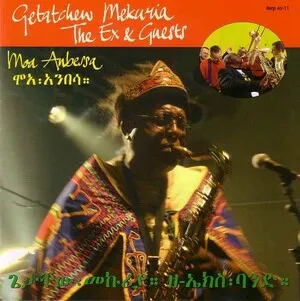
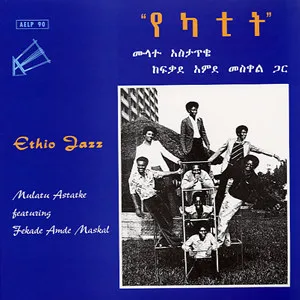
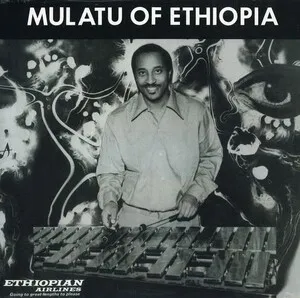
In the 20th century, Ethiopic music interfaced with jazz, soul, and funk to yield Ethio‑jazz, while Amharic and Tigrinya popular music flourished on radio and records. Today the tradition thrives both at home and in the diaspora, informing contemporary pop, hip hop, and electronic fusions while retaining its linguistic and modal identity.
History
Ethiopic music has deep roots in Late Antiquity. The Ethiopian Orthodox Tewahedo Church developed a sophisticated chant tradition (zema), conventionally attributed to Saint Yared in the 6th century. Using Ge'ez texts, this liturgy shaped vocal practice, modal thinking, and ceremonial instrumentation (sistrum/tsenatsil and kebero) for centuries.
Among Amhara, Tigray/Tigrinya, and Gurage communities, secular repertoires evolved with azmari (bardic) performance, wedding and work songs, and dance music (e.g., eskista). The qenet modal system—tizita, bati, ambassel, anchihoye—anchors much secular music; these pentatonic modes are rendered with flexible intonation and ornamented, melismatic singing accompanied by krar, masenqo, begena, washint, and hand drums.
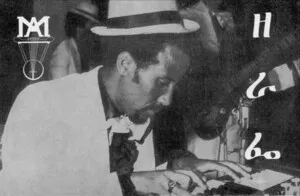
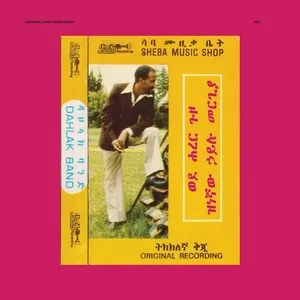
In the mid‑20th century, urban ensembles (police/army bands, theater orchestras) introduced brass, guitar, and drum set. The 1960s–70s saw a blossoming of Amharic and Tigrinya popular music on radio, clubs, and vinyl labels (documented later in the Éthiopiques series). Musicians fused indigenous modes and rhythms with soul, funk, and jazz, culminating in Ethio‑jazz.
Following the 1974 revolution, state control and curfews curtailed nightlife, but recording and cassette cultures persisted. After the 1990s, diaspora communities in North America and Europe amplified the global reach of Ethiopic music through reissues, festivals, and collaborations.
Contemporary Amharic and Tigrinya pop integrates hip hop, EDM, and R&B production with traditional qenet, while liturgical chant, azmari performance, and regional styles remain vital. Across Ethiopia and Eritrea—and their diasporas—Ethiopic music continues to balance linguistic identity with stylistic innovation.