Your digging level

For this genre
0/8
🏆
Sign in, then listen to this genre to level up

Description

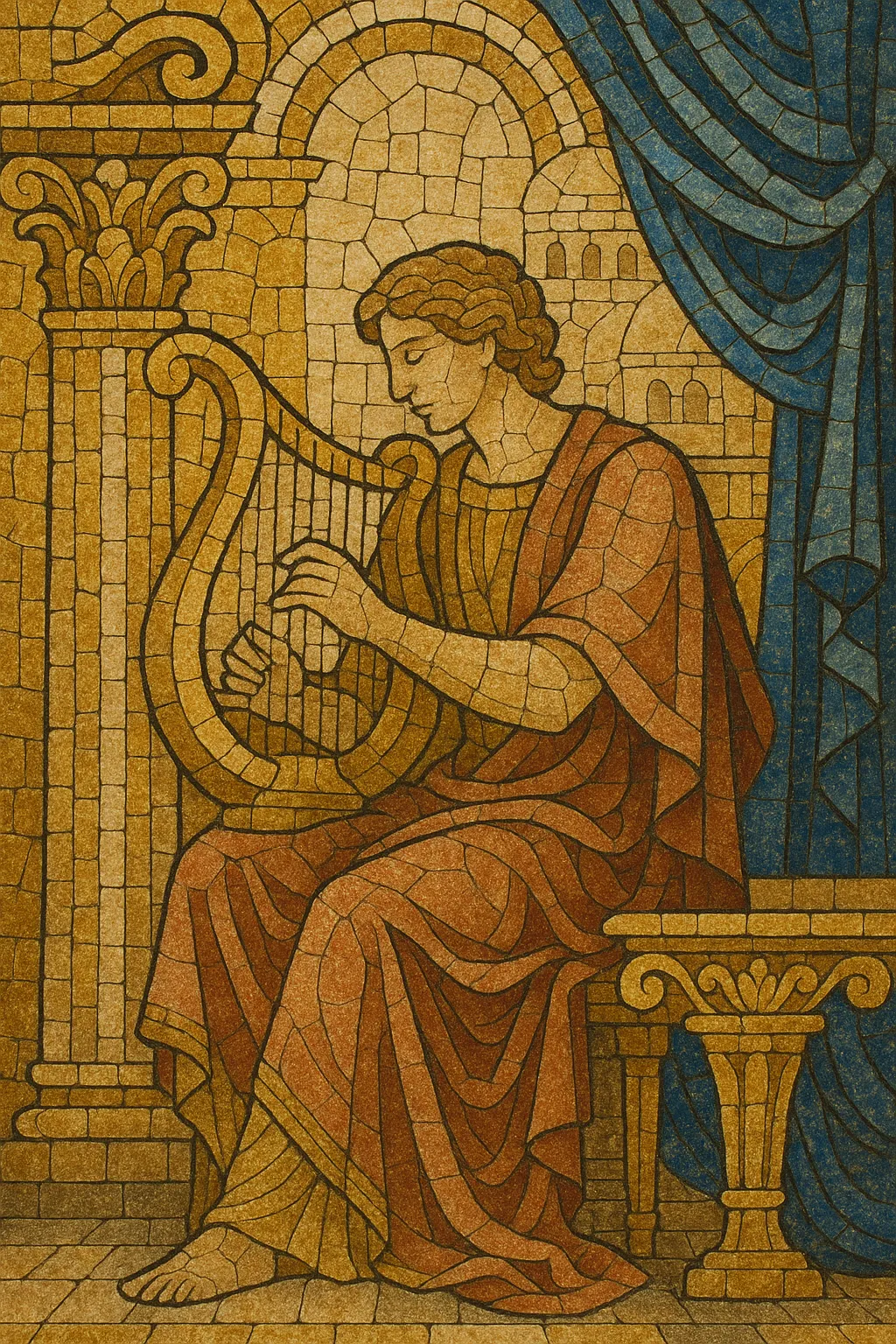
Regalia is a cinematic, orchestral-trap hybrid built around lush string sections, dreamy piano motifs, and other symphonic colors layered over modern trap percussion.

The core contrast is between “regal” orchestration (wide, sweeping harmony and melodic scoring techniques) and hard-edged rhythmic programming (808 sub-bass, crisp snares/claps, rapid hi-hats, and impactful transitions).

It is typically instrumental and soundtrack-adjacent, often designed for dramatic builds, trailers, highlight reels, or emotionally charged beats rather than verse–chorus pop structures.


Sources: Spotify, Wikipedia, Discogs, Rate Your Music, MusicBrainz, and other online sources

History

Origins (2010s)

Regalia emerged in the 2010s as producers blended trap’s rhythmic language with cinematic scoring aesthetics—particularly lush string writing and piano-led motifs—creating a “royal” or “grand” emotional palette on top of 808-driven drums.

Development and Use-Cases

The style grew alongside the rise of internet beat communities and media-oriented instrumentals, where dramatic orchestral textures and trailer-like transitions could enhance the impact of trap percussion for short-form video, gaming edits, and cinematic content.

Current Identity

Today, regalia is recognized less as a traditional scene-based genre and more as a production-driven aesthetic: orchestral harmony and sound-design forward “score energy” paired with contemporary trap drum programming.

How to make a track in this genre

Instrumentation & Sound Palette
•   Write with string ensembles (legato violins/violas/cellos) as the emotional backbone; layer staccato ostinatos for momentum. •   Use dreamy piano (soft felt or cinematic grand) for motifs; support with pads, choirs, brass swells, and cinematic FX (risers, impacts, whooshes). •   Program trap foundations: 808 sub-bass (glides optional), punchy kick, snare/clap on 2 and 4, and fast hi-hat patterns with rolls.
Rhythm & Groove
•   Typical tempos sit around 130–160 BPM (or half-time feel). •   Keep the orchestral elements rhythmically supportive: string pulses/ostinatos can lock to 8ths/16ths while the drums handle syncopation. •   Use drops where orchestration thins and drums/808 dominate, then rebuild with strings and impacts.
Harmony & Melody
•   Favor minor keys and cinematic progressions (i–VI–III–VII or i–VII–VI–VII style movement) for grandeur. •   Build memorable motifs: a short piano theme or a rising string line that can be reharmonized and repeated with increasing intensity. •   Add realism with voice leading and register separation (low strings for weight; high strings for shimmer).
Arrangement & Dynamics
•   Structure like a score cue: Intro (atmosphere) → Build (ostinato) → Drop (trap focus) → Second build (bigger orchestration) → Climax/Outro. •   Emphasize transitions using drum fills, cymbal swells, risers, reverse reverbs, and cinematic impacts.
Mixing Tips (Style-Critical)
•   Carve space: high-pass orchestral layers to leave room for the 808; sidechain pads/strings lightly to the kick for clarity. •   Use wide stereo for strings and choirs; keep kick/808 and main snare centered. •   Add “cinematic glue” with hall reverb on orchestral buses, but keep drums relatively dry/punchy.

Top tracks

Locked
Share your favorite track to unlock other users’ top tracks
Influenced by
Has influenced
Challenges
Digger Battle
Let's see who can find the best track in this genre
© 2026 Melodigging
Melodding was created as a tribute to Every Noise at Once, which inspired us to help curious minds keep digging into music's ever-evolving genres.
Buy me a coffee for Melodigging