Your digging level
Description
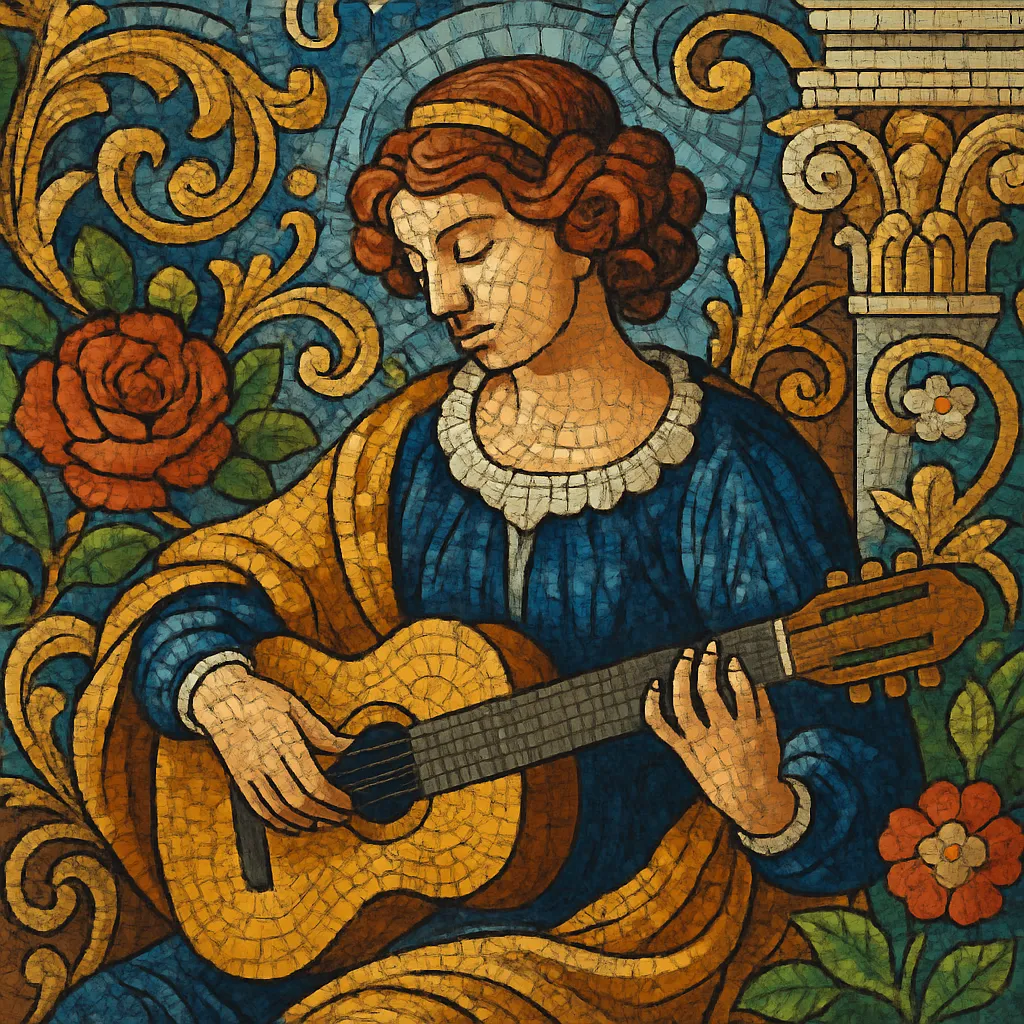
Baroque pop is a mid‑1960s fusion of contemporary pop/rock songwriting with the timbres, textures, and contrapuntal techniques of Baroque and broader European classical music.
It is marked by harpsichord and piano doubling, string quartets or small orchestras, woodwinds (oboe, recorder, bassoon), French horn and piccolo trumpet colors, and melody‑forward arrangements that favor counter‑melodies and suspensions over riff‑based accompaniment. Harmonies tend to be richer than standard rock, with chromatic voice‑leading, circle‑of‑fifths motion, deceptive cadences, and occasional modulations. Production is usually lush and reverberant, supporting reflective, often nostalgic or romantic lyrics.
Although it overlaps with orchestral pop and psychedelic pop, baroque pop is distinguished by its chamber‑scale instrumentation, Baroque idioms (basso continuo feel, ornamented lines), and the way classical elements are woven into compact pop song forms.
History
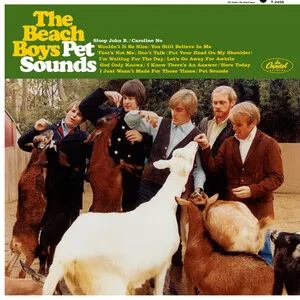
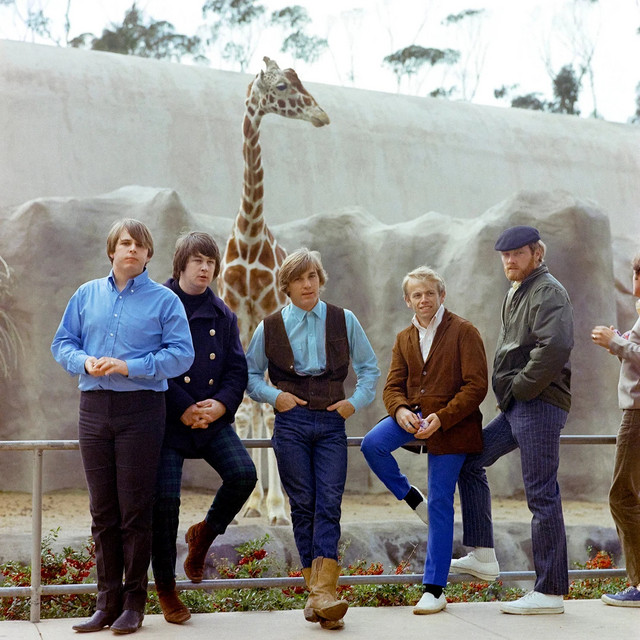
Baroque pop emerged simultaneously in the United States and the United Kingdom as rock musicians began adopting classical instrumentation and arranging practices. Early signals included The Beatles’ use of string octet on "Eleanor Rigby" and piccolo trumpet on "Penny Lane," and The Beach Boys’ Pet Sounds (1966), whose chamber‑like orchestrations and layered harmonies reshaped pop’s sonic palette. In the U.S., The Left Banke codified the style with harpsichord‑ and string‑driven singles like "Walk Away Renée" (1966) and "Pretty Ballerina."
The idiom quickly spread across both sides of the Atlantic. In the UK, The Kinks ("Sunny Afternoon," "Waterloo Sunset") and The Zombies (the album Odessey and Oracle, 1968) paired literate, wistful writing with delicate strings, winds, and keyboards. Producer‑arrangers such as George Martin and Van Dyke Parks helped translate Baroque gestures—counterpoint, suspensions, circle‑of‑fifths progressions—into concise pop forms. Scott Walker’s solo records and The Walker Brothers married dramatic crooning to orchestral arrangements, while Serge Gainsbourg carried a Francophone variant with ornate strings and harpsichords.
By 1969–70, heavier rock, roots music, and large‑scale symphonic/prog experiments drew attention away from chamber‑scaled baroque pop. Yet its DNA persisted: progressive pop/rock absorbed its harmonic ambition, sunshine pop took its lush melodicism, and later singer‑songwriters borrowed its intimate orchestration.
A 1990s revival—often labeled chamber pop—re‑centered the style’s elegant arrangements in indie contexts (e.g., The Divine Comedy, Belle and Sebastian, early Rufus Wainwright). In the 2000s–2010s, artists and bands integrated harpsichords, strings, and contrapuntal writing into indie pop and art pop, reaffirming baroque pop’s hallmarks while updating rhythm sections and production aesthetics. Today the term describes both the original 1960s sound and contemporary pop that foregrounds Baroque‑classical color within song‑centric forms.