Your digging level

For this genre
0/8
🏆
Sign in, then listen to this genre to level up

Description

Chamber psych blends the intimate, acoustic instrumentation and careful arrangements of chamber pop with the hazy textures, tape-warm production, and surreal harmonies of psychedelic pop.

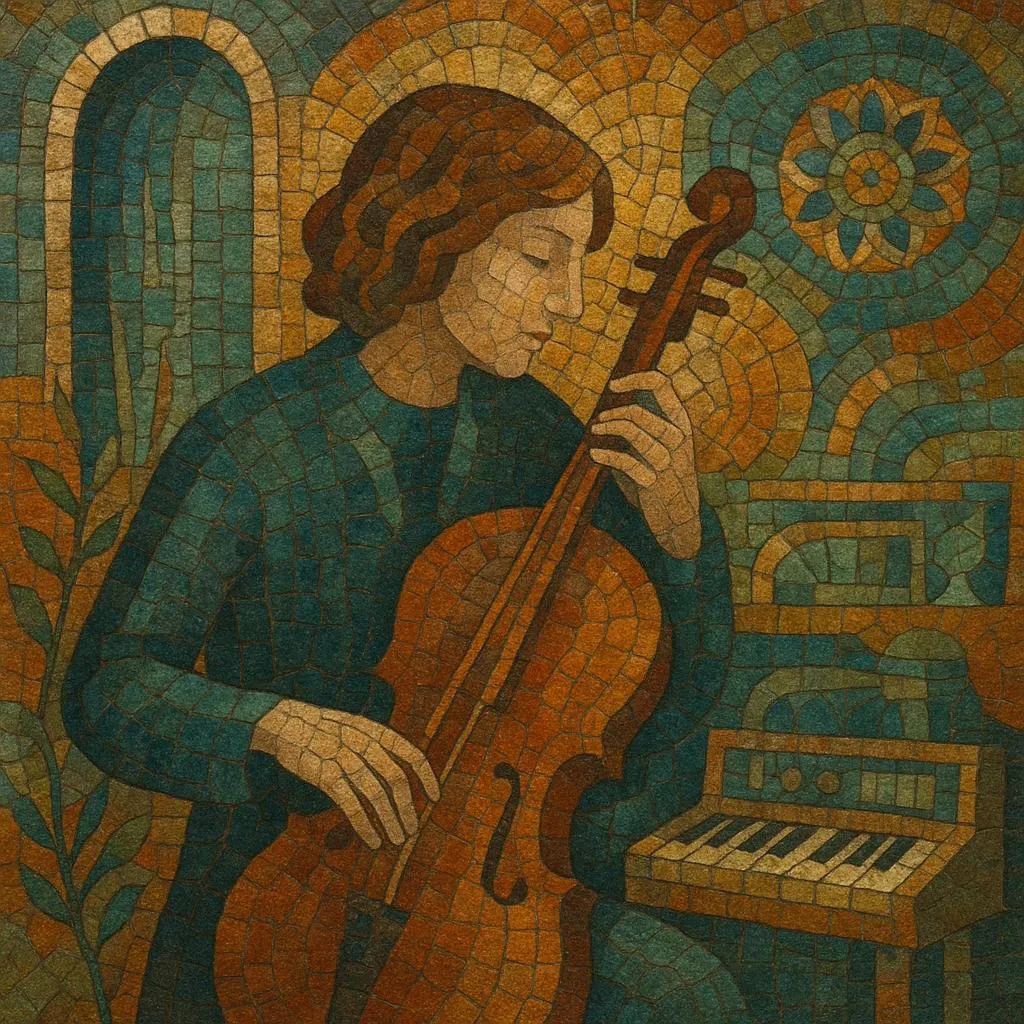
Expect strings, woodwinds, vibraphone, Mellotron, and harpsichord to sit alongside vintage keyboards, gently motorik drums, and fluttering tape delays. Vocals are often close‑mic’d and breathy, melodies skew wistful or otherworldly, and songs privilege mood and arrangement craft over volume. The result feels simultaneously handcrafted and dreamlike: miniature orchestras scoring psychedelic reveries.


Sources: Spotify, Wikipedia, Discogs, RYM, MB, user feedback and other online sources

History

Overview

Chamber psych coalesced in the 2010s as a strand of indie psychedelic music that foregrounded small‑ensemble orchestration and arrangement finesse. It took the baroque/room‑scale sensibility of chamber pop and filtered it through kaleidoscopic psych color, favoring analog tactility and cinematic mood.

Roots (1960s–2000s)

The template rests on 1960s baroque and psychedelic pop—acts who fused orchestral instruments with prismatic harmony. In the 1990s–2000s, groups associated with retro‑futurist lounge, library‑music revival, and art‑pop minimalism (often influenced by krautrock pulse and hauntological aesthetics) refined the idea of psych as textural and arranged rather than purely guitar‑centric.

Codification (2010s)

By the early–mid 2010s, a loosely connected scene—particularly strong in the UK but echoed in Europe and North America—made the approach legible: intimate rooms, small ensembles, and analog gear shaping songs that feel like short films. Independent labels, crate‑digging producers, and a renewed interest in tape techniques and Mellotron/organ timbres helped standardize the sound.

2020s and beyond

The style broadened into a toolkit used across indie and experimental pop: songwriters lift its strings-and-vibes palette, producers fold in its motorik hush and tape bloom, and film/TV supervisors prize its atmospheric, hand‑played warmth. Chamber psych now functions as a refined, portable language for dreamy, cinematic songs.

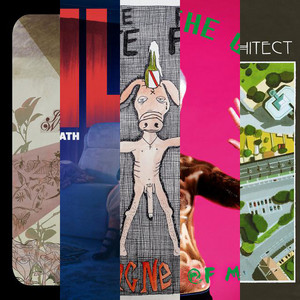
How to make a track in this genre

Instrumentation and Texture
•   Build a small ensemble: strings (violin/viola/cello), woodwinds (flute/clarinet), vibraphone or glockenspiel, acoustic guitar/piano, plus Mellotron/organ/synth pads. •   Choose tactile sound sources: ribbon mics, spring reverb, tape echo, gentle saturation; avoid overly clinical, hyper‑compressed treatments.
Rhythm and Groove
•   Keep tempos moderate (≈60–100 BPM). Use brushed drums or lightly swung, motorik‑leaning patterns; think hypnosis over bombast. •   Layer hand percussion (shakers, tambourine) subtly to create motion without crowding the stereo field.
Harmony and Melody
•   Employ modal mixture and colorful extensions (maj7, add9, sus2, quartal voicings). Borrowed bVI–bVII–I or iv–I turns nod to 60s psych. •   Write singable, close‑range melodies; double or harmonize with soft voices and blend into the arrangement rather than sitting far on top.
Arranging
•   Treat parts contrapuntally: strings/woodwinds answer vocal phrases, vibraphone doubles inner lines, bass moves melodically. •   Orchestrate in layers: introduce one new color per section; privilege negative space; use swells and tape‑style fades for transitions.
Production and Space
•   Pan instruments for a chamber feel (e.g., strings L/R, vibraphone slightly off‑center, vocals centered but intimate). •   Favor room ambience and spring/plate reverbs; gentle tape wobble/chorus can add psychedelic drift.
Lyrics and Form
•   Use impressionistic, cinematic imagery; juxtapose everyday detail with dream logic. •   Structures can be verse–chorus with evolving arrangements, or through‑composed miniatures that resolve via codas and instrumental reprises.

Main artists

Top tracks

Locked
Share your favorite track to unlock other users’ top tracks

Upcoming concerts

in this genre
Influenced by
Has influenced

Download our mobile app

Get the Melodigging app and start digging for new genres on the go
© 2026 Melodigging
Melodding was created as a tribute to Every Noise at Once, which inspired us to help curious minds keep digging into music's ever-evolving genres.
Buy me a coffee for Melodigging