Your digging level
Description
Elephant 6 refers to the loose collective and label (Elephant 6 Recording Co.) that coalesced in the early–mid 1990s around a core of friends who made kaleidoscopic, 1960s-influenced psychedelic pop with a fiercely DIY, analog ethos.
Sonically, the "Elephant 6 sound" blends psychedelic pop and sunshine pop melodicism with lo‑fi tape warmth, fuzzy guitars, Mellotron/organ, brass and strings, stacked vocal harmonies, and whimsical tape collages or musique concrète interludes. Songs often nod to The Beatles/Beach Boys baroque pop craft, but are recorded on 4‑track or other modest setups that emphasize saturated color, home‑spun texture, and playful experimentation.
More than a single band or rigid genre, it is a scene and aesthetic centered on community, cross‑pollination, and collective authorship—rooted primarily in Athens, Georgia and Denver, Colorado in the United States.



History
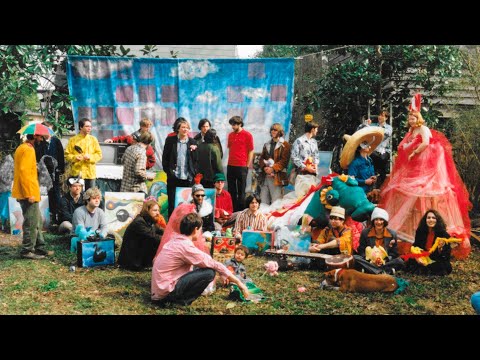
Elephant 6 began as a circle of high‑school friends from Ruston, Louisiana (including Robert Schneider, Jeff Mangum, Will Cullen Hart, and Bill Doss) who exchanged home tapes and a shared love for 1960s psychedelic and baroque pop. By the early 1990s the name "Elephant 6 Recording Co." appeared as a homemade imprint on their cassettes, then emerged as a bona fide collective/label as members relocated to two hubs: Denver, Colorado (home base for The Apples in Stereo) and Athens, Georgia (home to several sister bands and projects).
The collective fostered a recognizable approach: richly melodic songs inspired by Beatles/Beach Boys craft; lo‑fi, analog recording (often on 4‑track); and adventurous production flourishes—tape loops, found sounds, musique concrète passages, and suite‑like album structures. Through the mid–late 1990s, a cluster of albums defined the identity and drew critical attention, positioning Elephant 6 as a key force in American indie psychedelia.
As the 2000s began, some core groups paused or splintered, spawning new projects that retained the collective’s DNA—dense vocal arrangements, horn/strings writing, and a tape‑friendly experimentalism. While the label’s formal activity ebbed and flowed, the aesthetic continued through side bands and affiliated releases, and its influence spread to a new generation of indie musicians.
Periodic tours and collaborative revivals (often billed as large, mixed‑lineup performances) reaffirmed the communal ethos. Reissues and a feature documentary further codified Elephant 6’s historical arc and impact. Today, the collective’s approach—melodic psychedelia filtered through DIY recording and communal creativity—remains a touchstone for bedroom‑recorded pop, chamber‑psych, and adventurous indie pop worldwide.