Your digging level
Description
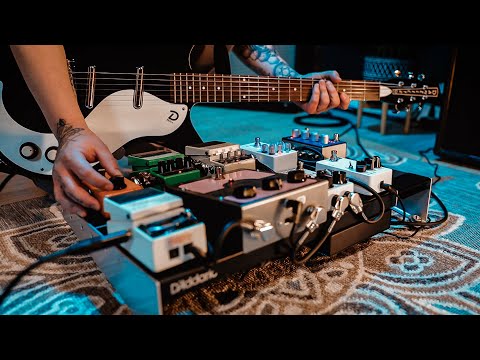
Noise pop blends the tunefulness and hook-centric structures of pop with abrasive textures such as feedback, distortion, and tape hiss.
It typically features bright, simple melodies buried beneath a dense, overdriven "wall of sound," with vocals often mixed low or coated in reverb.
The aesthetic draws on 1960s girl-group and power-pop songwriting but delivers it through punk-informed energy and noise-rock sonics, creating music that is simultaneously sweet and scuffed.


History
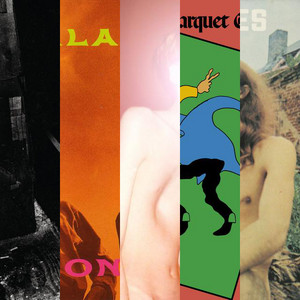
Noise pop coalesced in the mid-1980s when underground bands began marrying punk’s urgency and indie pop’s melodies with the abrasive timbres of noise rock. The Velvet Underground’s proto-noise sensibility and 1960s girl-group songwriting served as spiritual templates. In the UK—especially Scotland—the Jesus and Mary Chain’s 1985 debut “Psychocandy” set a landmark by coating Spector-esque hooks in sheets of feedback. Around the same time, C86-era indie scenes embraced fuzzed guitars and DIY recording, further normalizing the style’s grit-meets-melody approach.
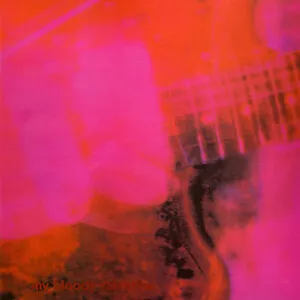
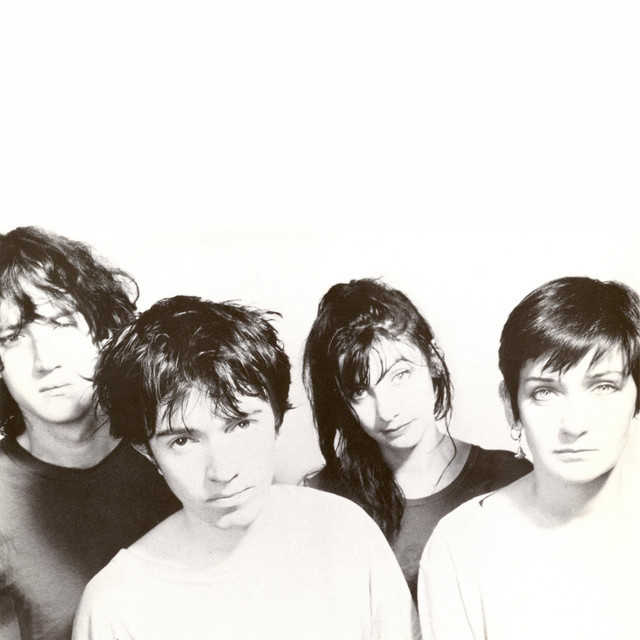
Following JAMC, artists like My Bloody Valentine’s early singles and EPs pushed the pop/noise balance forward, while US acts (Yo La Tengo, Sonic Youth at their poppiest) demonstrated parallel approaches. The style became a recognized strain within alternative and indie circles: verse–chorus earworms, jangly or droning guitars, and deliberate overdrive, with production choices that buried vocals and emphasized texture.
Noise pop’s emphasis on saturated guitars and submerged vocals fed directly into late-1980s/early-1990s shoegaze, which added dreamy harmonies and more immersive production. Simultaneously, lo-fi indie scenes absorbed its fuzz-first aesthetic, informing the 1990s’ slacker sensibility and the broader indie rock toolkit.
A 2000s resurgence—The Raveonettes, Vivian Girls, Times New Viking, The Pains of Being Pure at Heart—reiterated compact, hooky songwriting under crusty sonics, often recorded to cassette or with intentionally limited fidelity. In the 2010s and 2020s, artists continued to blur noise pop with shoegaze, garage revival, and bedroom-recording approaches, keeping the genre’s core paradox—sugarcoated melodies inside sandblasted sound—vibrant.