Your digging level
Description
Sinogaze is a portmanteau of "Sino" and "shoegaze," used for Chinese‑language shoegaze and dream‑pop that flourished across Mainland China, Hong Kong, and Taiwan.
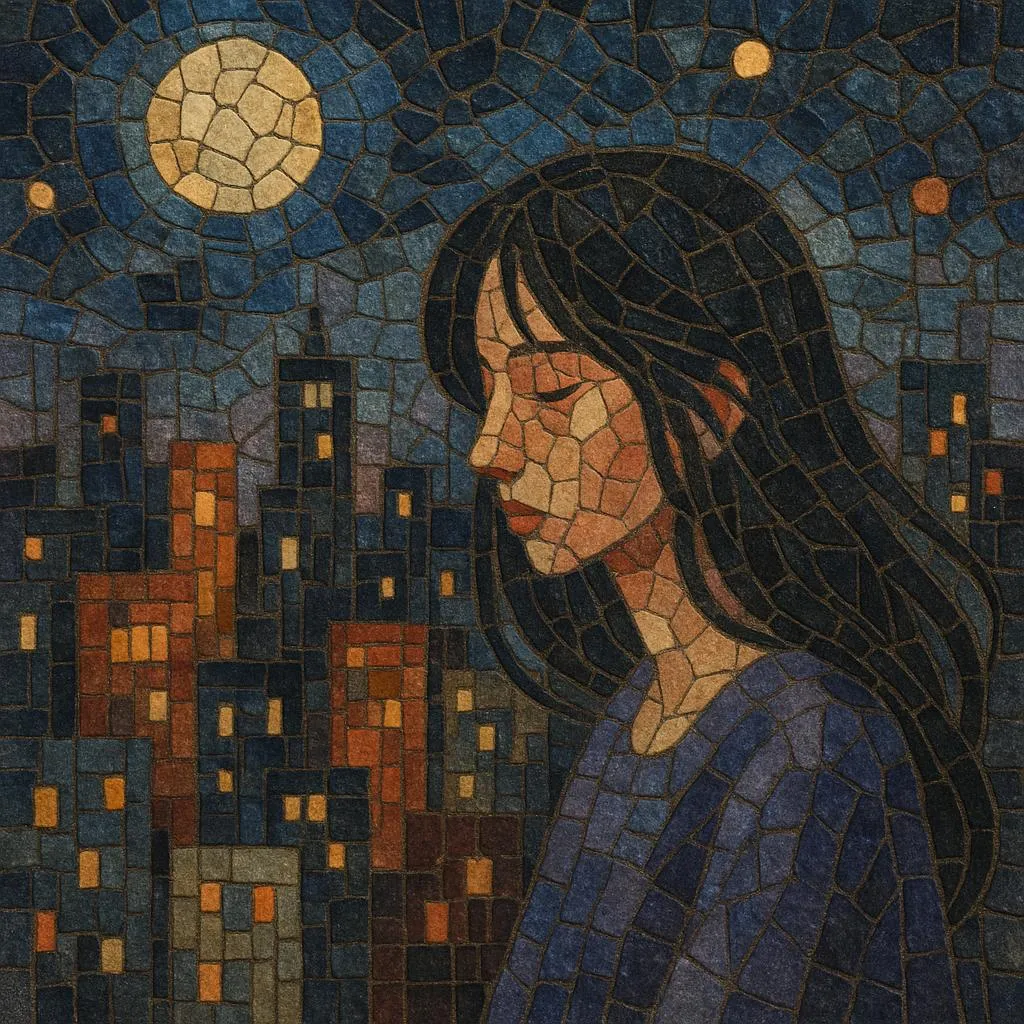
It blends the classic shoegaze palette—swells of overdriven and modulated guitars, hazy textures, and soft, breathy vocals buried in the mix—with melodic sensibilities drawn from Mandopop/Cantopop and local indie traditions. Lyrics are usually in Mandarin or Cantonese, and often trace urban youth life, nocturnal cityscapes, wistfulness, and fragile romance.
Production favors saturated reverb and delay, chorus/flanger shimmer, and a floating rhythmic feel that leans toward dream pop while still embracing noise pop crescendos. The result is a distinctly East Asian take on shoegaze: lush, gauzy, and sentimental, but also DIY, city‑rooted, and modern.
History
Shoegaze’s original wave (late 1980s/early 1990s UK) reached Chinese‑speaking scenes through blogs, forums, and file‑sharing in the 2000s. By the end of that decade, Mainland indie hubs (notably Beijing’s D‑22/MAYBE MARS circle) and small DIY communities in Taipei and Hong Kong were already experimenting with dream‑pop haze and noise‑washed guitars.
During the 2010s, a visible cluster of Chinese‑language shoegaze and dream‑pop bands surfaced across Beijing, Shanghai, Xiamen, Taipei, and Hong Kong. The term “sinogaze” began circulating among listeners, writers, and playlist curators to describe this localized, Mandarin/Cantonese‑sung approach to shoegaze. Digital platforms (Douban, Xiami, NetEase Cloud Music, Bandcamp, SoundCloud) and regional indie labels/collectives helped the sound travel quickly between cities and across the Taiwan Strait.
Musically, these artists adopted classic shoegaze techniques (FX‑dense guitars, soft vocals as texture, noise pop blasts) but with pop‑leaning hooks and pentatonic‑friendly melodies that nodded to C‑/Mando‑/Canto‑pop lineages. Aesthetic influences—neon city photography, post‑nightlife melancholy, bedroom production, tape saturation—solidified a recognizable regional flavor.
Festival slots, boutique tours, and tastemaker blogs/playlists outside the region introduced sinogaze to wider audiences. As streaming matured in the 2020s, the style diversified: some groups pushed into post‑rock atmospherics, others into synthier dream‑pop or noisier walls of sound, while retaining hallmarks of Mandarin/Cantonese vocal phrasing and sentimental urban storytelling. Today, sinogaze functions as both a tag and a living scene connecting Mainland China, Hong Kong, and Taiwan.