Your digging level
Description
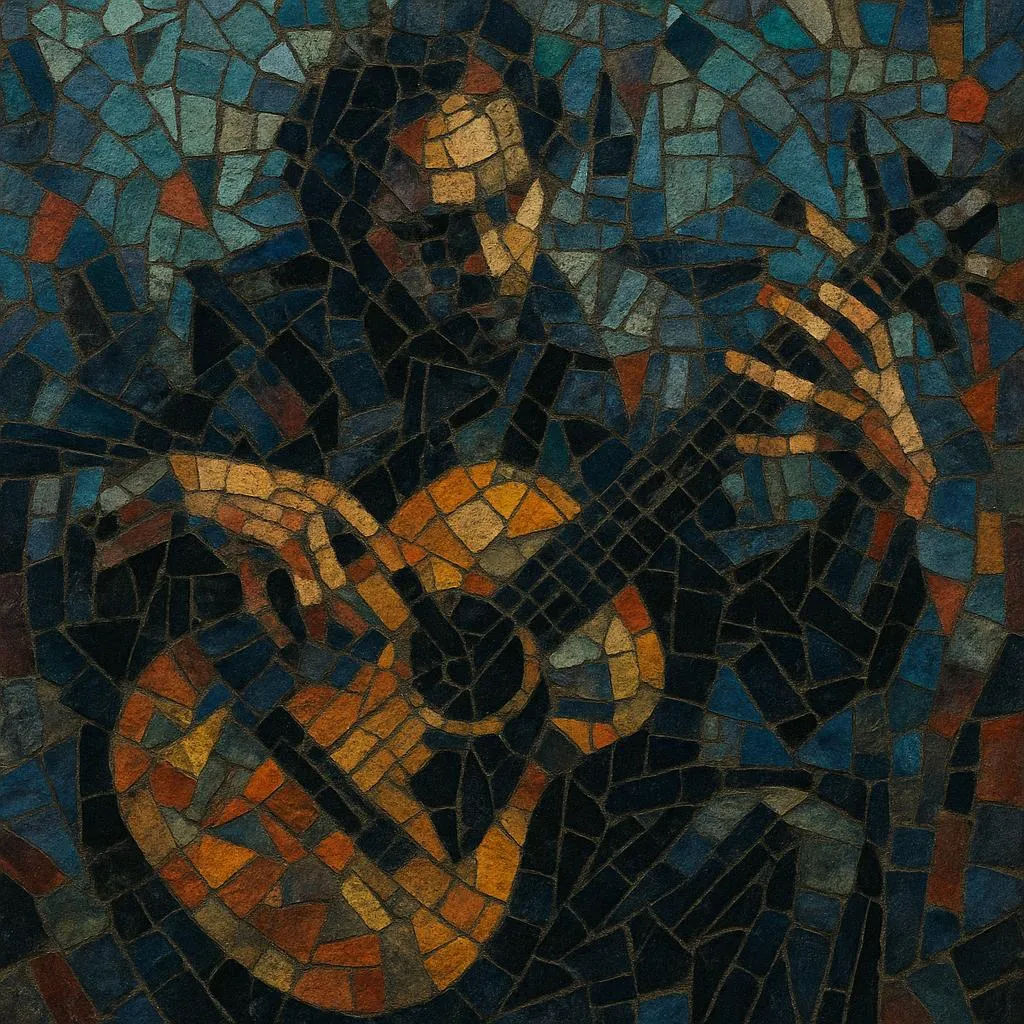
Experimental guitar is a practice-centered genre that treats the guitar as an open-ended sound source rather than a fixed instrument. Instead of conventional chord–riff–solo roles, it privileges extended techniques, unconventional tunings, feedback systems, prepared objects, live electronics, and non-standard forms.
Across acoustic and electric traditions, practitioners bow strings, retune to microtonal scales, insert objects ("prepared" guitar), exploit amplifier/speaker coupling, and route signals through tape, modular gear, granular processors, or custom circuitry. The result ranges from delicate timbral studies and ambient expanses to ferocious noise, harsh texture, and physically driven performance art.
History
Experimental guitar coheres in the 1960s at the intersection of the European avant‑garde, free improvisation, minimalism, and early electroacoustic practices. Guitarists begin to reject idiomatic, chord-based playing and pursue timbre, texture, and process—often taking cues from new-music concepts like indeterminacy, graphic scores, and extended techniques.
In the 1970s the electric guitar becomes a laboratory: players systematize feedback, alternate tunings, and preparation (objects on or between strings), while minimalism and drone influence long-form structures. Parallel scenes in free jazz and art-rock normalize amplification as a compositional tool and the pedalboard as an instrument.
Amplified ensembles and downtown scenes push massed-guitar concepts, while the rise of DIY electronics and stompboxes enables granular timbre control. Studio and live-looping methods blur composition and improvisation; noise aesthetics and post-punk attitudes fold into guitar language without abandoning exploratory intent.
Software, convolution, and live-coding approaches expand the instrument’s perimeter into signal processing and controller design. Contemporary practitioners fluidly combine acoustic resonance studies, prepared techniques, e‑bows/bows, alternate temperaments, and modular or laptop processing—treating the guitar as both sound source and control interface.