Your digging level
Description
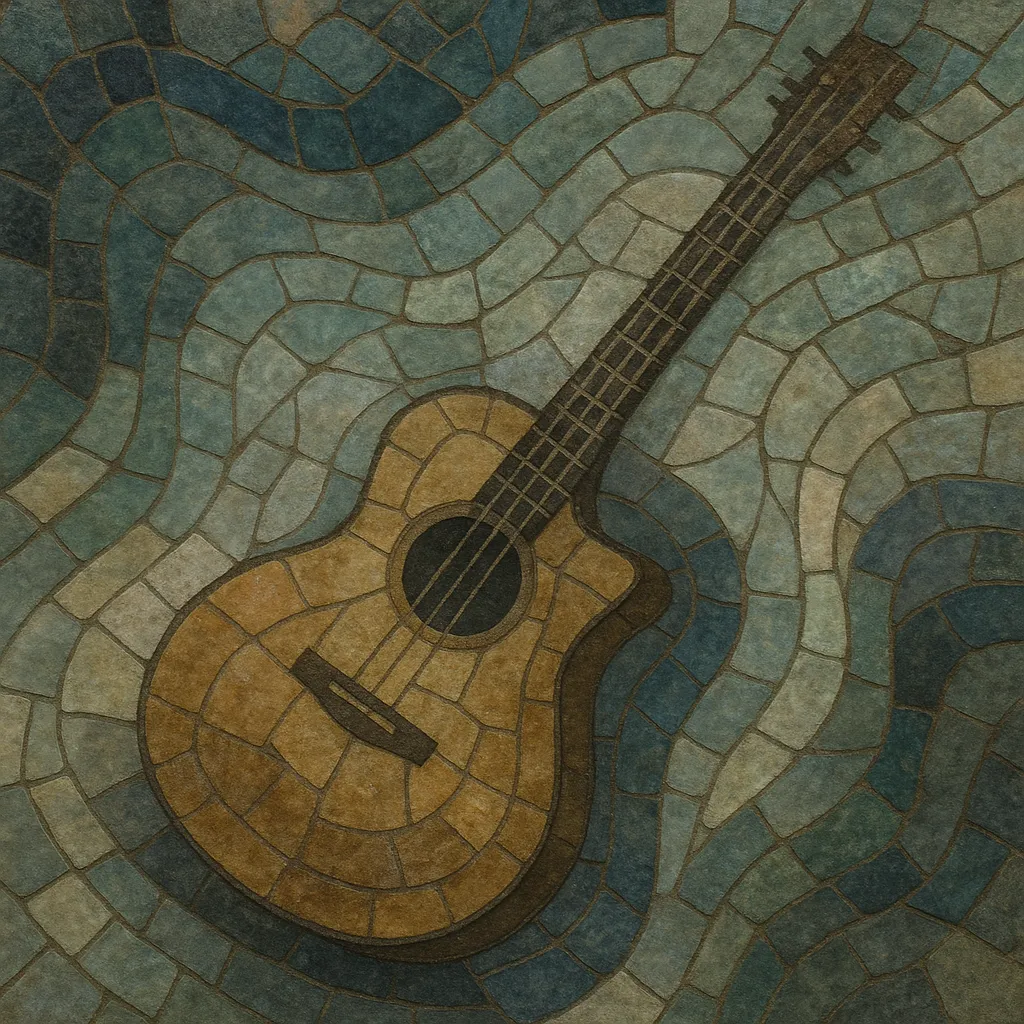
Ambient guitar is a texture-first approach to the electric (or electro-acoustic) guitar that treats the instrument as a sound-generating and space-filling device rather than a traditional riff or solo vehicle.
Typical hallmarks include long, modulated reverbs, multiple delays (often with dotted-eighth or long feedback times), looping, volume swells, EBow or sustain devices, harmonics, and subtle pitch or granular processing. Harmony tends toward open voicings, pedal tones, drones, and slow-moving modal centers, while rhythm is sparse or implied by echoes rather than drums.
The style sits at the intersection of ambient, drone, shoegaze, and post-rock, with production values that emphasize width, depth, and decay. The result is music that feels immersive, contemplative, and cinematic.
History
Ambient guitar coalesced in the 1970s alongside the rise of ambient music and tape-based looping. Robert Fripp’s "Frippertronics" (tape-loop feedback systems) and collaborations with Brian Eno demonstrated how a guitar could be processed into sustained, slowly evolving soundscapes. These ideas paralleled minimalism’s long forms and drones, setting the foundational aesthetics of texture over virtuosity.
In the 1980s, producers and guitarists like Daniel Lanois and Michael Brook advanced the approach with studio-grade delays, shimmer-like pitch-shifted reverbs, and infinite-sustain techniques. Robin Guthrie (Cocteau Twins) brought reverb-drenched, chorus-laden pads into dream pop, while The Edge popularized rhythmic delay and chiming textures in mainstream rock—bridging ambient sensibilities with song-based forms.
Post-rock’s ascent normalized guitars as texture machines. Acts across the US and Europe integrated swells, drones, and looping into long-form compositions, often de-emphasizing vocals and traditional song structure. Simultaneously, ambient and drone scenes embraced guitar as a primary sound source, aided by digital multi-effects, rack processors, and early loopers.
The proliferation of affordable loopers, high-fidelity reverbs/delays, and granular tools (hardware and plugins) made ambient guitar a global, DIY-friendly practice. Pedal culture, YouTube pedagogy, and DAW-based sound design encouraged experimentation—spanning sacred spaces (ambient worship), cinematic post-rock, and bedroom-produced lo-fi ambient. Today, ambient guitar is as much a production discipline as a performance style.