Your digging level
Description
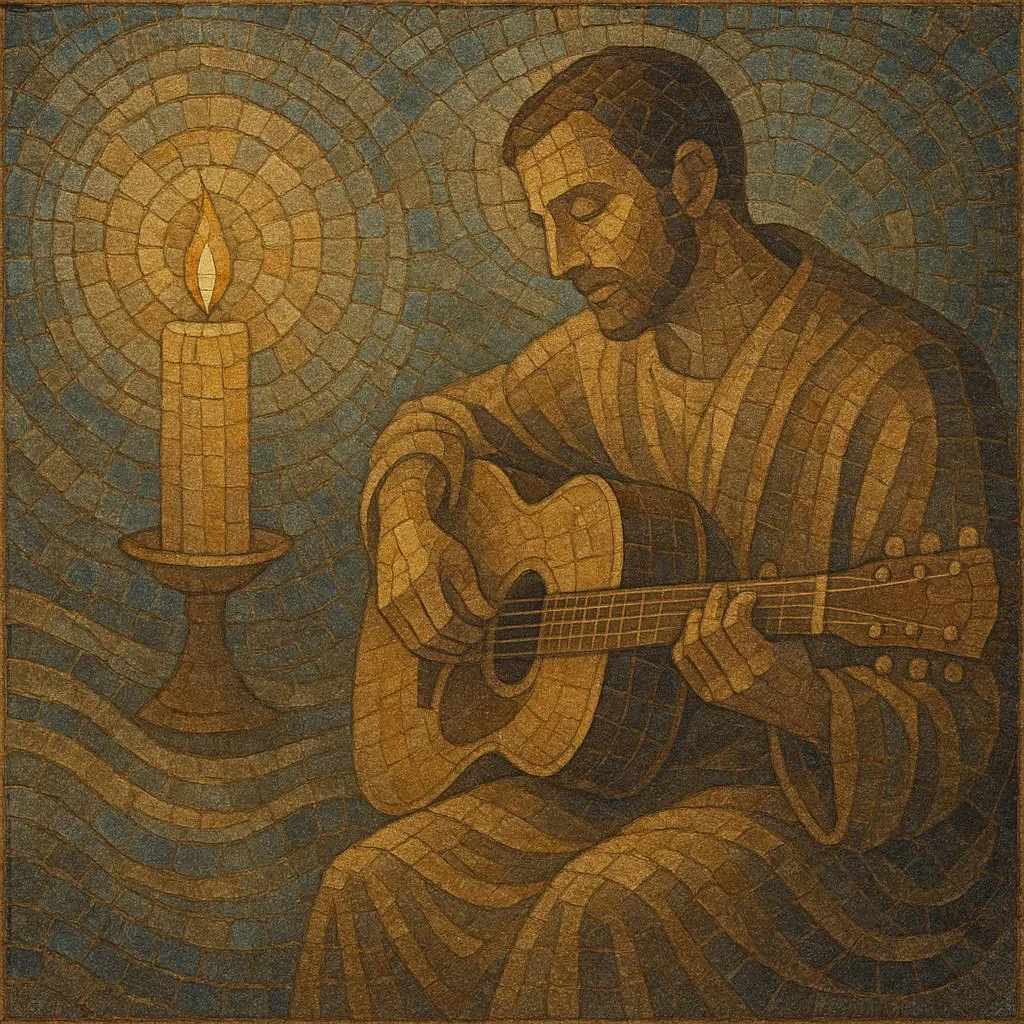
Instrumental worship is a contemplative, devotional offshoot of contemporary Christian worship that removes vocals and foregrounds atmosphere, texture, and melody.
It typically features slow to mid‑tempo grooves, lush pads, gentle piano or guitar figures, long reverbs, and swelling strings that create space for prayer, meditation, and reflection. Harmonically it favors consonant, diatonic progressions (e.g., I–V–vi–IV) in major keys or modal colors (Mixolydian, Dorian), with minimal modulation and extended drones to sustain a sense of calm and continuity.
While some releases are instrumental re‑arrangements of well‑known worship songs, many pieces are free‑flowing improvisations designed for background use in services, prayer rooms, and devotional settings. The genre grew alongside streaming and long‑form YouTube sessions, where multi‑hour “soaking” and “prayer” instrumentals are common.
History
Instrumental expressions of Christian worship have long existed (organ, piano, and string arrangements of hymns), but a modern ambient approach took shape in the late 1990s and 2000s within charismatic and evangelical worship movements. Extended worship sets, prayer room ministries, and “soaking” meetings created demand for gentle, lyric‑free music that could undergird prayer without drawing attention to itself. Early pioneers in this space included worship leaders who released piano‑ and pad‑led instrumental albums for devotional use.
The 2010s saw instrumental worship coalesce as a recognizable category. Prominent worship collectives began issuing dedicated instrumental projects (e.g., Bethel Music’s “Without Words” series), while churches and labels curated ambient versions of popular worship songs. Simultaneously, long‑form YouTube channels and streaming playlists (multi‑hour “instrumental worship” and “soaking” sessions) flourished, meeting a growing appetite for background music in prayer rooms, small groups, and personal devotion.
Production aesthetics drew heavily from ambient, post‑rock, and cinematic scoring—piano motifs, guitar swells, synth pads, and string textures—refined with modern reverb and delay design. Artists from North America, Latin America, and beyond contributed to a global scene, releasing both song‑based instrumentals and free improvisations. Today, instrumental worship functions both as a standalone listening genre and as a practical liturgical resource across traditions.