Your digging level
Description
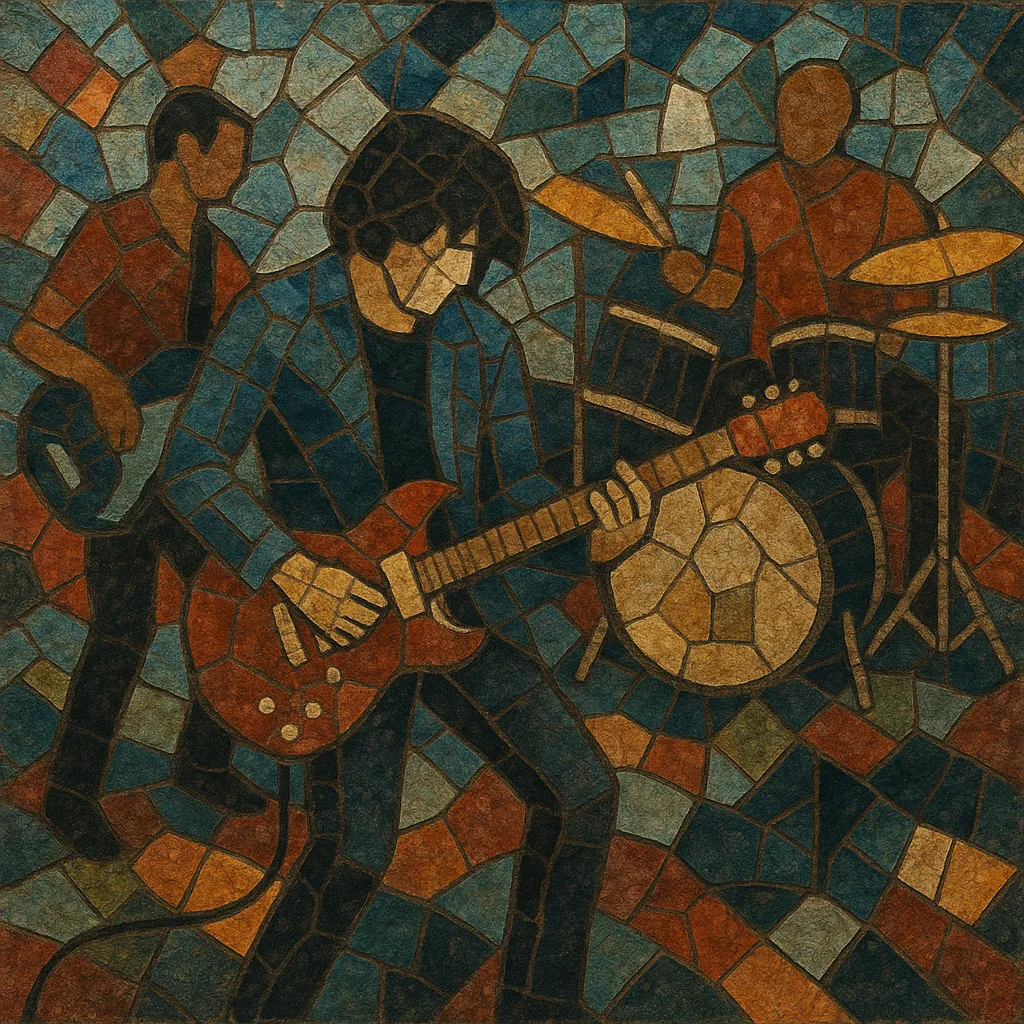
Instrumental rock is a branch of rock music in which the featured melodies and hooks are carried by instruments—most famously the electric guitar—rather than a lead singer.
Emerging in the late 1950s, it emphasizes memorable riffs, strong rhythmic backbeats, and distinctive guitar tones (twang, tremolo picking, and spring reverb), often supported by bass, drums, and sometimes organ or saxophone. It ranges from raw, riff-driven singles to more sophisticated, jazz-tinged or studio-crafted pieces. While closely associated with early surf sounds, instrumental rock is broader, encompassing twangy rock-and-roll, R&B-rooted combo instrumentals, and later virtuoso guitar showcases.
History
Instrumental rock coalesced in the United States at the end of the 1950s as rock-and-roll bands began releasing guitar-led singles with no vocals. Link Wray’s "Rumble" (1958) and Duane Eddy’s low, "twangy" guitar sound set the template: simple, powerful riffs; a strong backbeat; blues-based harmony; and striking tone shaped by reverb and vibrato.
The early 1960s saw a surge of instrumental hits. In the U.S., The Ventures popularized clean, catchy guitar themes with tight rhythm sections, while Dick Dale’s aggressive picking and heavy spring reverb pushed the style toward surf. In the U.K., The Shadows, The Tornados, and others brought sleek arrangements and melodic polish to the charts, helping the sound spread across Europe and the Commonwealth.
Producers and session players refined the idiom, integrating elements of R&B, jazz, and lounge. Organ combos and sax-led instrumentals shared airwaves with guitar groups, and the style’s cinematic qualities made it a natural fit for TV themes and film cues. The aesthetic—hooky riffs, signature tones, and compact forms—became part of rock’s vocabulary.
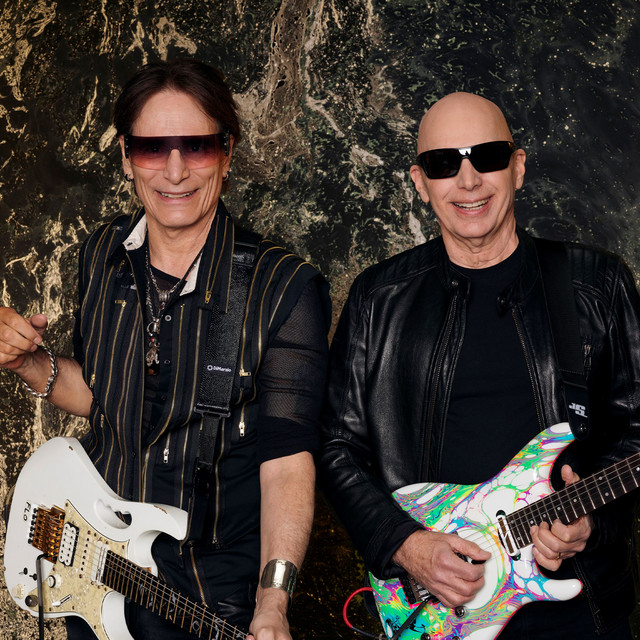
As rock diversified, instrumental rock partly moved into album-oriented and jazz-fusion spaces. Jeff Beck’s Blow by Blow (1975) showed a lyrical, groove-forward approach. In the 1980s, guitar virtuosos such as Joe Satriani and Steve Vai revived mainstream interest with technically advanced, melody-forward compositions that kept the genre in the public ear.
Instrumental rock profoundly influenced surf (and later surf punk), informed the emphasis on texture and dynamics in post-rock, and inspired generations of guitar-centric players. Periodic revivals—rooted in vintage tones, twang, and cinematic moods—continue through indie scenes, film/TV scoring, and live guitar showcases.

Top albums