Your digging level

For this genre
0/8
🏆
Sign in, then listen to this genre to level up

Description

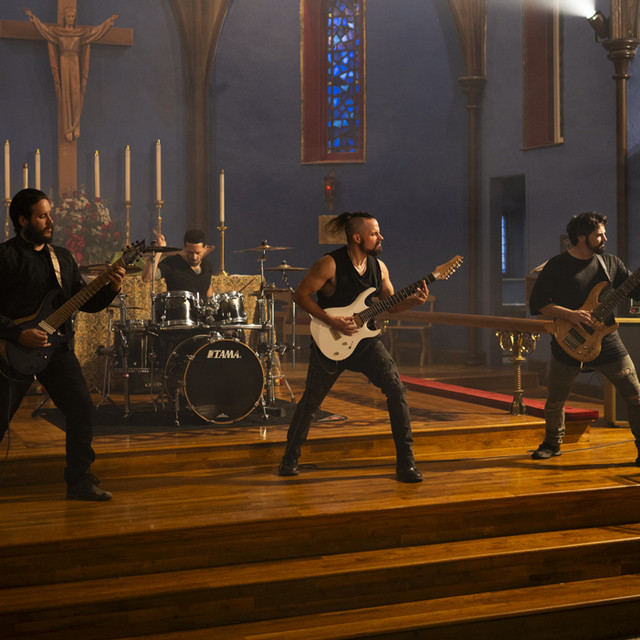
Instrumental progressive metal is a guitar‑ and rhythm‑driven offshoot of progressive metal that removes vocals to foreground composition, ensemble interplay, and advanced technique. It blends the genre’s hallmark odd meters, extended song forms, and thematic development with the precision riffing and percussive articulation associated with djent and math‑rock.

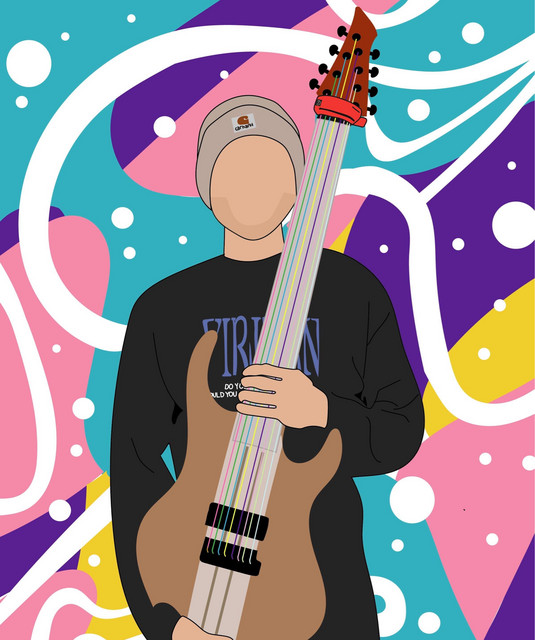
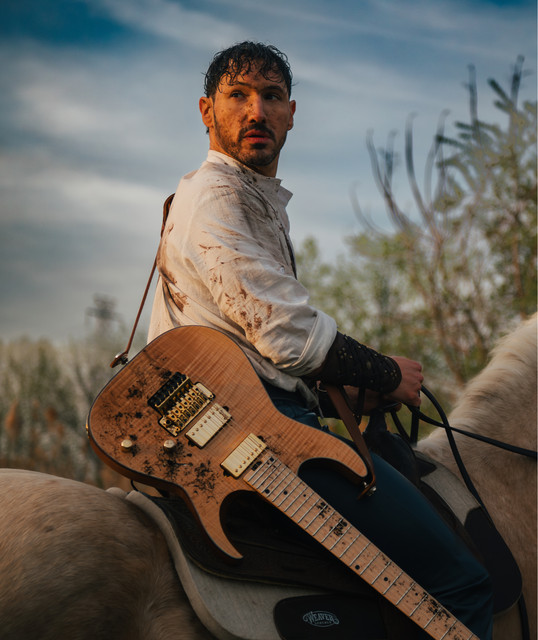
Without lyrics, the music emphasizes narrative through motifs, dynamic contour, harmonic color, and textural contrast—moving fluidly from crushing syncopated riffs to cinematic clean sections, fusion‑informed solos, and ambient interludes. Modern production (tight editing, re‑amping, amp sims) and extended‑range guitars (7–9 strings) are common, as are hybrid acoustic/electronic drum palettes and tasteful use of synthesizers for layering.


Sources: Spotify, Wikipedia, Discogs, Rate Your Music, MusicBrainz, and other online sources

History

Origins (2000s)

Instrumental progressive metal coalesced in the mid‑to‑late 2000s when bedroom producers and emerging prog players began releasing vocal‑less works that prioritized composition, timbre, and rhythmic design. The spread of affordable DAWs, amp simulators, and file‑sharing platforms allowed guitarists and drummers to write, program, and self‑produce intricate pieces without studio budgets. These releases drew equally from classic progressive rock/metal’s long‑form writing and the percussive, low‑tuned, syncopated chug of djent, while adopting math‑rock’s obsession with meter and displacement.

Expansion (2010s)

In the 2010s, festival slots, YouTube play‑throughs, and pedagogy channels helped the style explode internationally. Players embraced extended‑range guitars, multi‑scale instruments, and sophisticated drum programming, while integrating jazz‑fusion harmony and post‑rock ambience. Albums often presented cohesive narratives or cinematic arcs despite the lack of vocals, and live shows emphasized precision and ensemble chemistry.

Consolidation and Diversification (2020s)

By the 2020s, instrumental progressive metal was a mature ecosystem ranging from heavy, djent‑leaning riffcraft to fusion‑inflected, melody‑forward approaches. Collaborations with electronic producers led to hybrid idioms (e.g., electronic djent), while bands adopted richer sound design—synth layers, granular ambience, and orchestral textures—without losing the core focus on rhythmic sophistication and thematic development.

Scene Infrastructure

Tutorial culture (tabs, stems, play‑alongs), gear innovation (multi‑scale ERGs, modern high‑gain modelers), and social platforms (performance clips, isolated tracks) continue to sustain the genre’s global community of creators and listeners.


How to make a track in this genre

Core Instrumentation
•   Extended‑range electric guitars (7–9 strings) for low‑register riffs and wide melodic range. •   Bass with a tight, articulate tone; often plays an independent rhythmic role (not just doubling guitars). •   Drums emphasizing precision: ghost notes, linear phrasing, polymeters; hybrid acoustic/electronic kits are common. •   Synths/keys for pads, counter‑melodies, and orchestral/ambient support; occasional sound‑design elements (granular, risers, impacts).
Rhythm & Meter
•   Use odd meters (5/8, 7/8, 9/8, 11/8) and frequent metric modulation. •   Layer polyrhythms (e.g., 4 over 3, 5 over 4) and polymeters (guitars in 7, drums phrasing in 4) to create forward momentum. •   Anchor complexity with memorable rhythmic ostinati so listeners perceive structure despite shifting accents.
Harmony & Melody
•   Favor modal color (Lydian, Dorian, Phrygian Dominant) and modern devices (quartal/quintal harmony, extended tertian chords). •   Employ chromatic side‑slips, modal interchange, and common‑tone pivots to transition between sections. •   Balance technical runs with singable lead motifs that recur and evolve across the piece.
Form & Narrative
•   Think in movements: intro motif → development/variation → contrasting "B" episode → reprise/coda. •   Use dynamics and orchestration (clean guitars, pads, sparse drums) to reset the ear between heavy sections. •   Reintroduce transformed themes to create an instrumental storyline.
Riff & Groove Design
•   Combine percussive, palm‑muted low‑string patterns (djent influence) with legato/slide articulations and wide interval leaps. •   Align kick patterns with guitar chugs; let snare/hat voice cross‑rhythms to imply metric tension.
Production & Tone
•   Tight editing is expected: quantize tastefully, preserve feel on fills and ghost notes. •   Multi‑band compression on guitars for consistent low‑end chugs; use low‑cut/sidechain to clear space for kick/bass. •   Double/quad‑track rhythm guitars; contrast with a focused, slightly wetter lead chain (delay + plate/hall). •   DI tracking with re‑amp or modern amp modeling; layer subtle stereo ambience for width without masking transients.
Practice & Arrangement Tips
•   Write with a click and sectional tempo maps to manage modulations. •   Orchestrate counterpoint: let bass and lead interlock, not merely mirror rhythm guitars. •   Test mixes at low volume; complex harmony benefits from midrange clarity and controlled low‑end.

Top tracks

Locked
Share your favorite track to unlock other users’ top tracks
Influenced by
Has influenced
Challenges
Digger Battle
Let's see who can find the best track in this genre

Download our mobile app

Get the Melodigging app and start digging for new genres on the go
© 2026 Melodigging
Melodding was created as a tribute to Every Noise at Once, which inspired us to help curious minds keep digging into music's ever-evolving genres.
Buy me a coffee for Melodigging