Your digging level
Description
Progressive metal blends the ambition and extended song forms of progressive rock with the heaviness, timbre, and energy of heavy metal.
It is characterized by complex arrangements, frequent time‑signature changes, virtuosic instrumental passages, thematic or concept‑driven albums, and a wide dynamic range from delicate, atmospheric sections to aggressive, high‑gain climaxes.
Harmonically it draws on modal interchange, chromatic voice‑leading, and jazz‑fusion colors, while rhythmically it favors polymeters, polyrhythms, and metric modulation. Keyboards and layered production often add orchestral or cinematic scope.


History
Progressive metal emerged in the mid‑to‑late 1980s as bands sought to fuse the structural complexity and conceptual scope of 1970s progressive rock with the power and precision of contemporary heavy metal. Early pioneers in the United States such as Queensrÿche and Fates Warning began incorporating longer forms, narrative concepts, and advanced musicianship into metal’s framework, while the technical rigor of thrash and speed metal sharpened the genre’s rhythmic profile.
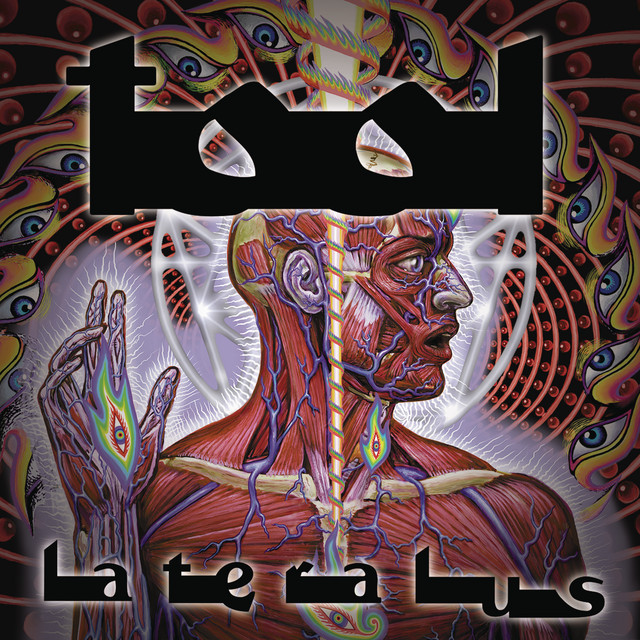
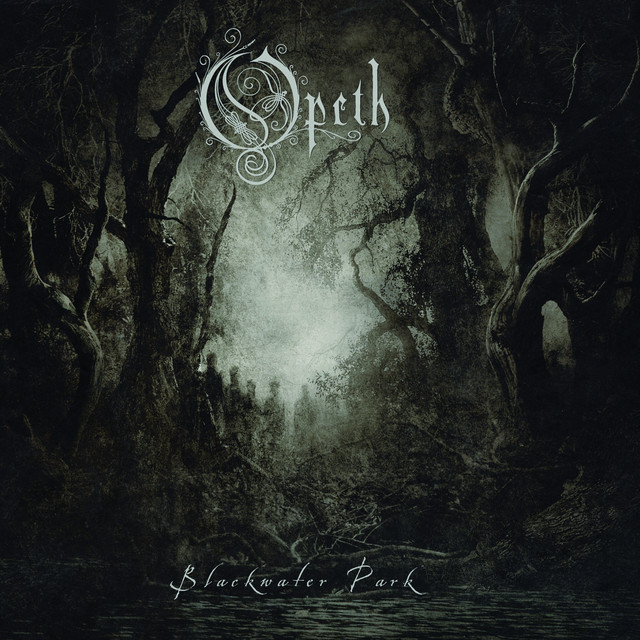
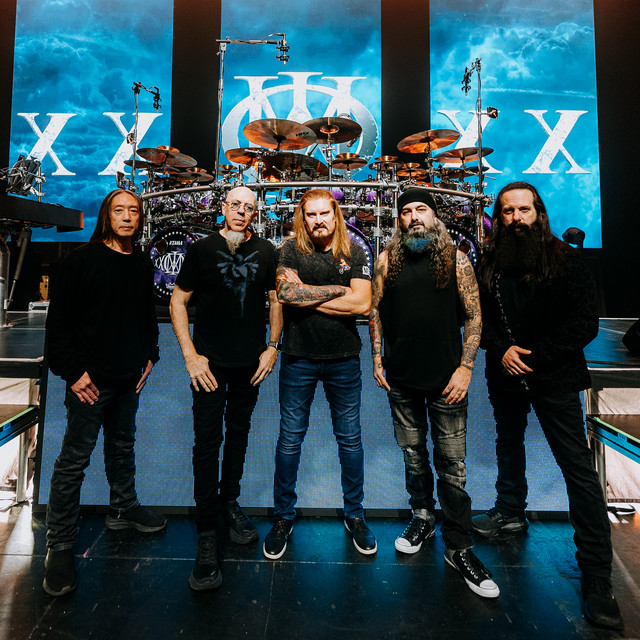
The 1990s cemented the style’s identity. Dream Theater’s landmark releases popularized extended compositions, instrumental virtuosity, and a polished, high‑fidelity sound. Parallel developments saw bands like Tool stretch rhythmic and textural boundaries, Opeth merge progressive ideas with extreme metal, and Symphony X synthesize neoclassical guitar technique with progressive structures. This decade established the concert circuit, dedicated press, and a global fanbase for the genre.
Progressive metal diversified into numerous branches. Groups like Between the Buried and Me integrated metalcore and jazz‑fusion elements; Devin Townsend explored cinematic ambience and layered production; and Meshuggah’s polyrhythmic, low‑tuned approach catalyzed the djent movement. Scenes flourished across Europe and North America, with labels and festivals curating increasingly experimental, concept‑forward releases.
Contemporary progressive metal spans a spectrum from atmospheric and post‑metal hybrids to highly technical, syncopation‑driven styles. Bands such as Haken and many independent artists leverage advanced production, extended‑range instruments, and modular songwriting, while concept albums and multimedia storytelling remain central. The genre continues to innovate rhythmically and harmonically, maintaining a balance between accessibility and experimentation.
Use high‑gain electric guitars (often 7‑ or 8‑string), electric bass (consider 5‑ or 6‑string), acoustic/electric drums with double‑kick capability, and a versatile keyboard/synth rig for pads, leads, and orchestral textures. Aim for a polished, dynamic mix where each instrument has space; automate dynamics to emphasize sectional contrasts.
Build grooves with odd meters (5/4, 7/8, 9/8) and mix them with polymeters (e.g., guitar riff in 7 while drums outline 4). Explore polyrhythms (3:2, 5:4), hemiolas, and metric modulation to transition between sections. Tight, precise subdivision is crucial; pre‑production with click/tracks and sectional tempo maps helps maintain cohesion.
Combine diatonic foundations with modal interchange (e.g., borrowing from Phrygian or Lydian), chromatic approach tones, and extended chords voiced on keys or guitar. Lead lines may feature sequence‑based motifs, wide intervallic leaps, and occasional jazz‑fusion phrasing. Use thematic development: introduce a motif early and transform it rhythmically or harmonically across movements.
Write multi‑section pieces with introductions, contrasting verses, instrumental interludes/solos, and recapitulatory codas. Concept albums benefit from leitmotifs that recur in different guises. Balance complexity with memorable hooks or recurring rhythmic cells so listeners have anchors amid long forms.
Focus on conceptual, philosophical, sci‑fi, or psychological topics. Craft narratives that align with musical arcs; use recurring lyrical images tied to musical leitmotifs for cohesion.
Track rhythm guitars tightly (double or quad‑track) with complementary tones; layer clean guitars or synths for contrast. Align bass articulations with kick accents to clarify complex meters. Reserve the master bus for headroom and rely on sectional arrangement and automation for impact rather than constant maximal loudness.