Your digging level

For this genre
0/8
🏆
Sign in, then listen to this genre to level up

Description

Metal cristão is the Brazilian, Portuguese‑language branch of Christian metal, encompassing everything from traditional heavy metal and power metal to death metal, metalcore, and progressive styles. It maintains the sonic intensity and virtuosity of mainstream metal while centering openly Christian worldviews—lyrics about faith, hope, redemption, spiritual warfare, and social conscience.

The scene is distinct for its mix of Brazilian rock/metal aesthetics (tight riffing, melodic choruses, charismatic front‑person delivery) with worship‑leaning hooks or liturgical imagery. Bands often oscillate between aggressive textures (double‑kick drumming, down‑tuned guitars, harsh vocals) and uplifting refrains, creating a characteristic tension between darkness and transcendence.


Sources: Spotify, Wikipedia, Discogs, RYM, MB, user feedback and other online sources

History

Roots and Formation (late 1980s–1990s)

Brazil’s hard rock and metal boom of the 1980s laid the groundwork for a faith‑based counterpart. As Christian metal gained international visibility, Brazilian musicians began composing heavy music in Portuguese with explicitly Christian themes. By the early–mid 1990s, dedicated bands and regional scenes coalesced in São Paulo, Belo Horizonte, Curitiba, and the Northeast, defining what locals called “metal cristão.”

Consolidation and Diversity (2000s)

Through the 2000s, the style diversified across subgenres—power/prog groups emphasized virtuosic guitars and melodic choruses; extreme acts explored death/thrash frameworks with guttural vocals and theological polemics; and symphonic/black‑tinged outfits adopted cinematic orchestrations and choral textures. Independent labels, Christian festivals, and church‑adjacent venues helped the scene professionalize while retaining DIY ethics.

Digital Era and Global Reach (2010s–present)

Streaming and social media lowered barriers for regional bands to reach national and international audiences, tying Brazil’s Christian metal to global networks while preserving a distinctly Brazilian identity (Portuguese lyrics, local narratives, and production aesthetics). Collaborations with worship leaders, bilingual releases, and genre crossovers (e.g., metalcore, djent, modern prog) broadened the audience without diluting the core message.

Aesthetics and Message

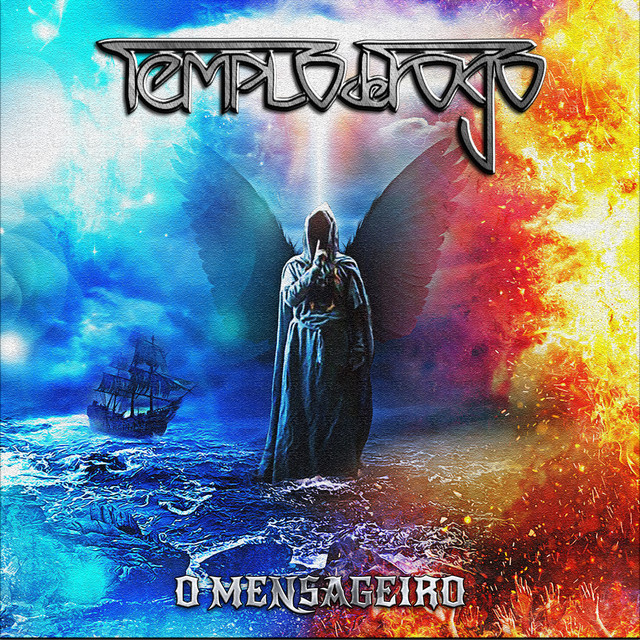
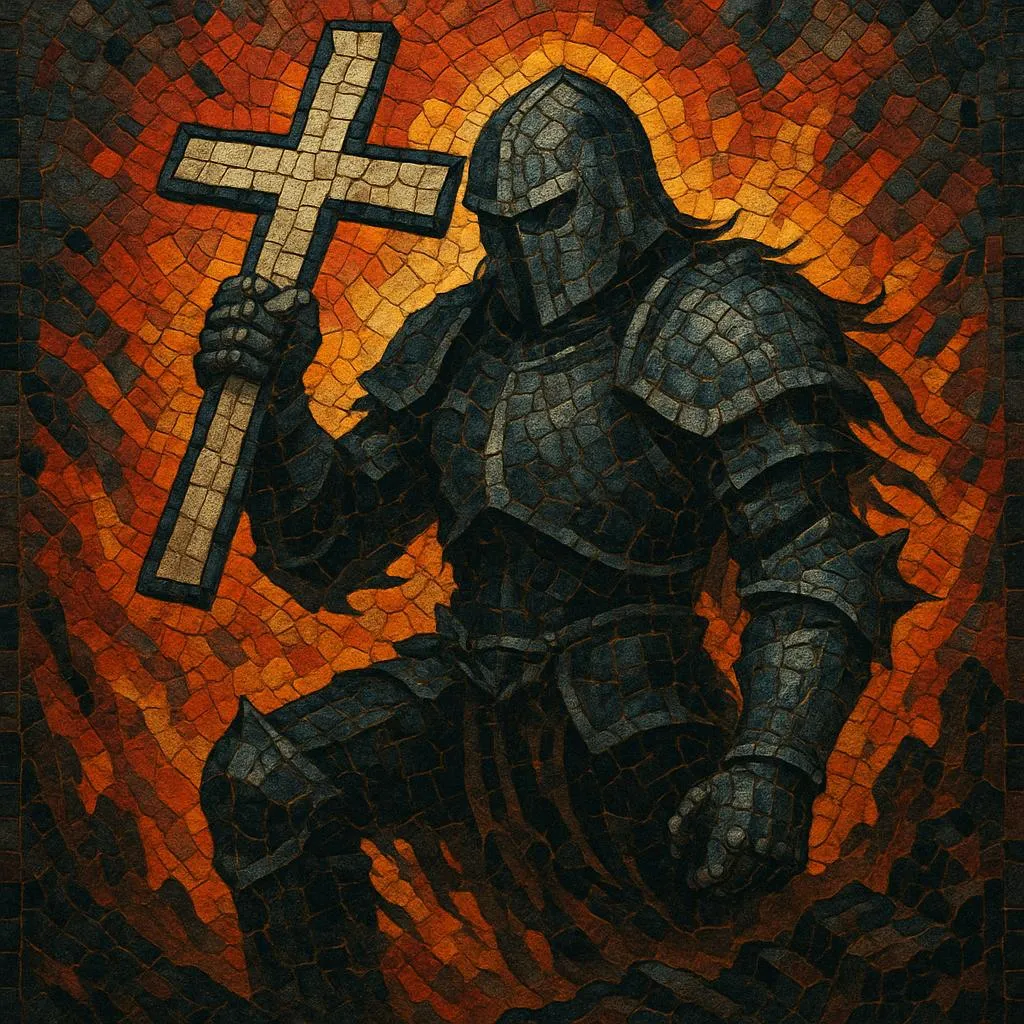
Musically, metal cristão is indistinguishable in technical demands from secular metal—tight riffing, polymetric drums, and virtuosic leads—yet its lyrical arc typically moves from struggle to hope. Visual identity (artwork, stagecraft) favors apocalyptic, biblical, or allegorical symbolism, often balancing heaviness with uplifting or congregational refrains.


How to make a track in this genre

Core Instrumentation and Sound
•   Two high‑gain electric guitars (often drop D/C or standard E for power/prog), electric bass, and a hard‑hitting drum kit with double‑kick capability. Keyboards/orchestral libraries for symphonic textures are common. •   Guitar tones: tight, palm‑muted rhythms for verses; open, sustained chords and harmonized leads for choruses/bridges. Use gate/boost before a high‑gain amp or modern amp sim; add delay/reverb on leads.
Rhythm and Riff Design
•   Groove from thrash/power roots: 140–200 BPM for power/thrash feels; 90–130 BPM for mid‑tempo anthems; 180–240 BPM blast sections for extreme styles. •   Alternate between gallops, syncopated chugs, and pedal‑tone riffs. For modern metalcore/djent flavors, incorporate off‑beat accents and polymetric patterns while keeping choruses metrically clear.
Harmony and Melody
•   Minor modes (Aeolian/Phrygian) and modal mixture for tension; lift to relative major (or modal brightness) in choruses to convey hope/redemption. •   Employ neoclassical lines (harmonized thirds/sixths), pedal‑point builds, and key changes before final choruses for “epic” release.
Vocals and Lyrics
•   Choose delivery by substyle: clean, soaring tenor/alto for power/prog; mixed clean/harsh for metalcore; growls/screams for death/thrash. •   Lyric themes: faith under trial, spiritual warfare, social justice through a Christian lens, prayer/psalm paraphrases, and testimonies. Favor vivid biblical imagery and narrative arcs moving from struggle to grace. •   Portuguese diction helps anchor authenticity; occasional bilingual hooks can broaden reach.
Arrangement and Production
•   Structure: intro → heavy verse → pre‑chorus lift → big chorus (hook) → riff/solo section → breakdown or bridge → final chorus with added harmonies. •   Layer gang vocals/choir pads on refrains; sidechain keys/strings to keep guitars forward; carve 80–120 Hz for kick/bass separation; notch 4–6 kHz harshness in guitars; brighten vocals at 8–12 kHz.
Substyle Tips
•   Power/Prog: extended harmonies, odd meters, long solos, symphonic pads. •   Death/Thrash: lower tunings, tremolo riffs, blast beats, lyrical polemic against evil. •   Metalcore: syncopated breakdowns, scream/clean trade‑offs, anthemic worship‑style choruses.
Stagecraft and Ethos
•   Balance intensity with inclusive moments (call‑and‑response, sing‑along hooks). Keep messaging clear without sacrificing artistic nuance; let dynamics (quiet prayers → massive drops) embody the narrative of redemption.

Top tracks

Locked
Share your favorite track to unlock other users’ top tracks

Upcoming concerts

in this genre
Influenced by
Has influenced

Download our mobile app

Get the Melodigging app and start digging for new genres on the go
© 2026 Melodigging
Melodding was created as a tribute to Every Noise at Once, which inspired us to help curious minds keep digging into music's ever-evolving genres.
Buy me a coffee for Melodigging