Your digging level for this genre

0/8
🏆
Sign in, then listen to this genre to level up

Description

Progressive groove metal fuses the weighty, syncopated riffing of groove metal with the ambitious song forms, odd meters, and thematic depth of progressive metal. It typically features down‑tuned 6–8‑string guitars, palm‑muted chugs interlocking with polyrhythmic drum patterns, and bass lines that emphasize grit and articulation over sheer speed.

Compared with straight groove metal, the progressive strain favors shifting time signatures, polymeter (e.g., 3:2, 5:4 overlays), dynamic contrasts, and longer arrangements that build narratives. Vocals range from harsh growls and barks to clean, soaring passages, while lyrics often address big‑picture topics—environmentalism, philosophy, psychology, and social critique—alongside personal struggle.

History

Origins (1990s)

Progressive groove metal crystallized in the 1990s as bands steeped in US groove metal (itself an evolution of thrash) began adopting the adventurous structures and thematic scope of progressive metal and prog rock. While groove pioneers emphasized mid‑tempo heft and syncopation, a parallel current explored odd meters, extended song lengths, and conceptual writing.

Consolidation (2000s)

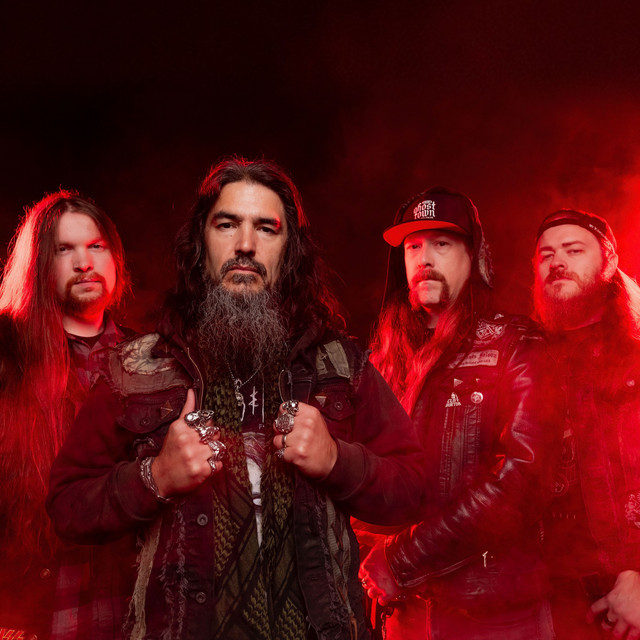
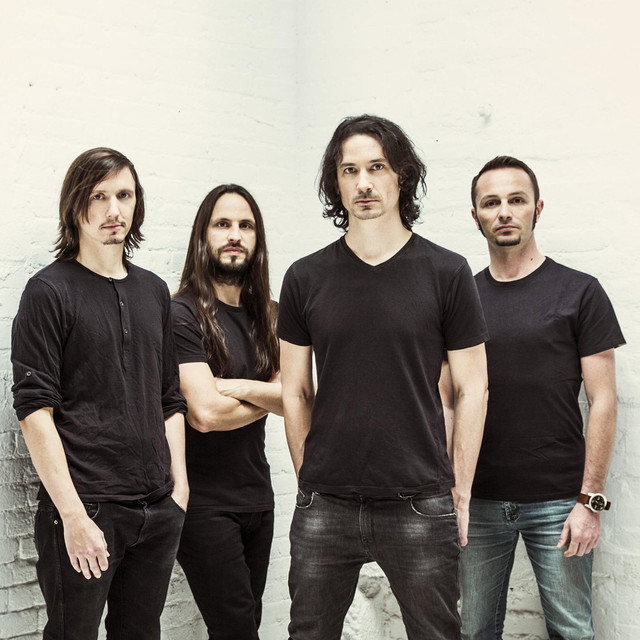
In the 2000s, acts such as Gojira and Nevermore pushed the hybrid forward: environmentally and philosophically charged lyrics met crushing, mechanistic grooves and sophisticated arrangements. Contemporaries including Machine Head (in their more expansive phases), Textures, and Sepultura’s later work folded in polymetric riffing, layered harmony, and heightened dynamics, broadening the style beyond purely US roots into European scenes.

Modern Era (2010s–present)

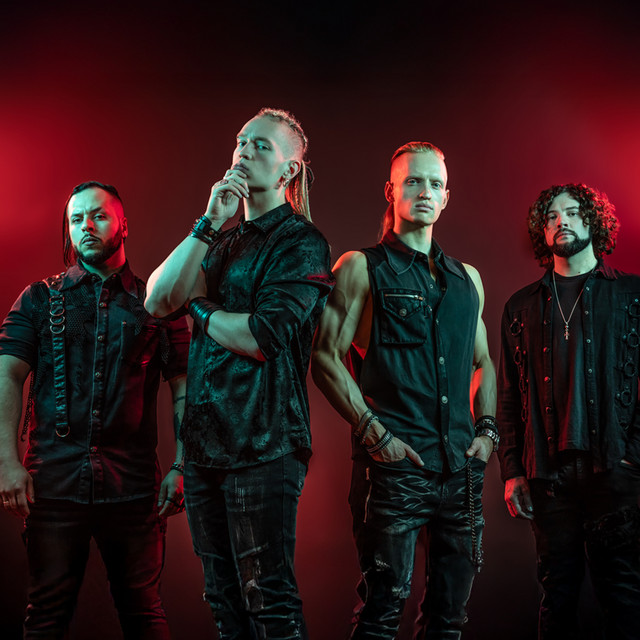
The 2010s saw a new wave merging progressive groove with adjacent currents like djent and modern metalcore. Bands such as Jinjer, Orbit Culture, and others embraced extended‑range instruments, surgical production, and genre‑fluid songwriting while retaining muscular, head‑nodding grooves. Today the style sits at a crossroads of accessibility and complexity, influencing progressive metalcore and progressive deathcore while remaining distinct through its emphasis on groove as the backbone of progressive composition.

How to make a track in this genre

Core Instrumentation
•   Guitars: Down‑tune (Drop C to Drop A; 7/8‑string common). Use tight palm‑mutes, staccato accents, and harmonics. Pair a rhythm guitar’s chugs with a second guitar handling countermelodies or rhythmic displacement. •   Bass: Slight grit helps lock the low‑end to kick drums. Write lines that mirror groove accents but occasionally diverge to emphasize polymeter. •   Drums: Prioritize syncopation, ghost notes, and polymetric layering (e.g., snare phrasing in 7 over guitar in 4). Double‑kick is used for punctuation rather than constant blasting.
Rhythm & Meter
•   Start with a memorable mid‑tempo riff (90–140 BPM) anchored in 4/4, then introduce odd‑groupings (5s, 7s, 9s) or cross‑rhythms on subsequent phrases. •   Use polymeter: let guitars cycle in 7 while drums phrase in 4 to create evolving downbeat alignments without losing the pocket.
Harmony & Riff Design
•   Favor modal color (Phrygian, Dorian, Aeolian) and tritone/flat‑2 tension for darkness. Mix chromatic passing tones with pedal‑point roots to maintain groove. •   Alternate dense, low‑string figures with open‑voiced chords or clean arpeggios to create dynamic contour.
Structure & Dynamics
•   Build long‑form arcs: intro groove → development with metric shifts → atmospheric bridge → climactic reprise. •   Use contrast (clean interludes, textural breaks) to make returns to the primary riff feel heavier and more impactful.
Vocals & Lyrics
•   Blend harsh vocals for rhythmic drive with selective clean sections for hooks or thematic emphasis. •   Explore weighty subjects: ecology, existentialism, social systems, and inner conflict—avoid vague clichés by grounding themes in imagery or narrative.
Production Tips
•   Tight transient control (editing, gating) preserves precision without sterilizing feel. High‑pass non‑bass instruments to keep sub‑frequencies clear. •   Multi‑band compression on guitars can tame low‑mid build‑up; parallel drum compression adds punch. Leave headroom so layered polyrhythms remain intelligible.

Top tracks

Locked
Share your favorite track to unlock other users’ top tracks
Influenced by
Has influenced
Challenges
Digger Battle
Let's see who can find the best track in this genre
© 2025 Melodigging
Melodding was created as a tribute to Every Noise at Once, which inspired us to help curious minds keep digging into music's ever-evolving genres.
Buy me a coffee for Melodigging