Your digging level for this genre

0/8
🏆
Sign in, then listen to this genre to level up

Description

Technical groove metal fuses the locked-in, head-nodding heft of groove metal with the intricate rhythmic thinking and precision of technical and progressive metal.

Expect down-tuned, percussive riffing that emphasizes syncopation and polymeter, tight double-kick patterns, and sharply articulated accents that make complex ideas still feel visceral and body-moving. The guitars and drums often lock into repeating rhythmic cells that shift against the barline, creating a hypnotic push-and-pull that balances complexity with groove.

Harmonically, it favors dissonant clusters, modal minor colors, and chromatic motion, while vocals tend toward harsh mid-to-low screams or barks. Production is typically dry, punchy, and surgical, highlighting rhythmic clarity and palm-muted impact.

History

Origins (1990s)

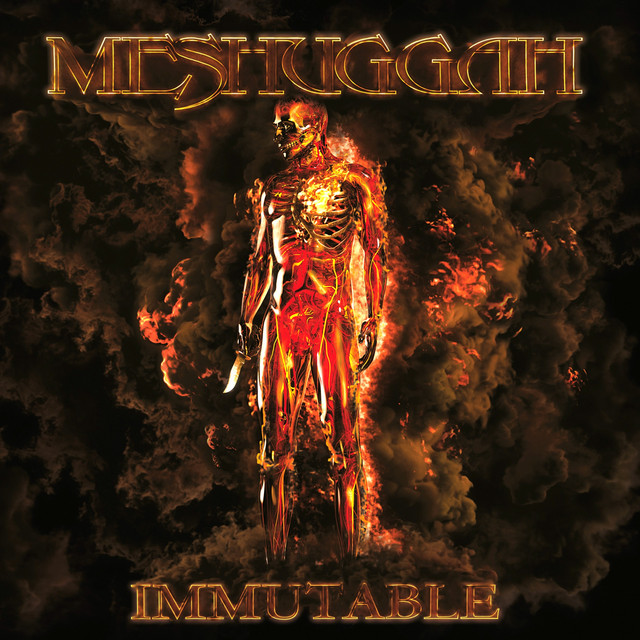
Technical groove metal coalesced in the 1990s as bands began merging the swaggering weight of U.S. groove metal with the precision and rhythmic ambition of European technical and progressive traditions. Sweden’s Meshuggah, in particular, codified the idea of polyrhythmic, down-tuned grooves executed with machine-like tightness, laying a template that felt both cerebral and crushing.

Consolidation and Expansion (2000s)

Through the 2000s, the style matured as groups across Europe and North America incorporated complex time signatures, polymeter, and syncopated chugging into groove-centric songwriting. Bands such as Gojira, Textures, and Mnemic pushed production and arrangement toward sharper definition and modern low tunings, while U.S. acts with a groove/thrash base adopted increasingly technical phrasing and drumming. The scene benefitted from advances in extended-range instruments and modern recording, which made intricate rhythmic grids and ultra-tight performance a hallmark.

Influence and Cross-Pollination (2010s–present)

By the 2010s, technical groove metal’s rhythmic language—especially its polyrhythms, palm-muted percussive riffing, and down-tuned clarity—propelled the rise of djent and informed progressive metalcore and progressive deathcore. While the label overlaps with adjacent styles, the through-line remains: complex meter and polymetric groove that never sacrifices heaviness or forward momentum.


How to make a track in this genre

Instrumentation and Tuning
•   Guitars: 7- or 8-string, commonly in B standard (7) or F# standard/Drop E (8). Use tight palm-mutes, precise alternate picking, and selective rakes. •   Bass: Match guitar tunings; emphasize a locked relationship with the kick drum. A slightly overdriven, articulate tone helps define note starts. •   Drums: Dry, punchy kick and snare; precise double-kick; ghost notes on snare to glue subdivisions.
Rhythm and Meter
•   Build riffs from short rhythmic cells (e.g., 5-, 7-, or 9-note groupings) that cycle against a 4/4 backbeat to create polymeter. •   Use syncopation and displacement: shift the accent one 16th/32nd earlier or later across repetitions to evolve the groove. •   Employ polyrhythms (e.g., 4 over 3, 5 over 4) while keeping a steady pulse on cymbals to anchor the listener.
Harmony and Riff Design
•   Favor dissonant intervals (b2, b5, minor 2nds) and modal minor (Phrygian, Locrian flavors) for tension. •   Interleave open low-string pedal tones with clustered upper-voice chords for contrast. •   Contrast “grid-locked” chugs with fluid slides, harmonics, and brief scalar runs to reset the ear.
Vocals and Lyrics
•   Vocals: Predominantly harsh (growls, barks), occasionally complemented by clean refrains for impact. •   Themes: Existential dread, technology and dehumanization, ecological urgency, and psychological introspection suit the tone.
Arrangement and Production
•   Keep structures clear (intro–A–B–bridge–A’) while evolving rhythmic cells to avoid repetition fatigue. •   Tight editing and gating on rhythm guitars; emphasize transient definition on kick and snare; leave low-end headroom for the bass to punch. •   Tempo range commonly 110–160 BPM; let grooves “breathe” so complexity remains physical and memorable.

Top tracks

Locked
Share your favorite track to unlock other users’ top tracks
Influenced by
Has influenced
Challenges
Digger Battle
Let's see who can find the best track in this genre
© 2025 Melodigging
Melodding was created as a tribute to Every Noise at Once, which inspired us to help curious minds keep digging into music's ever-evolving genres.
Buy me a coffee for Melodigging