Your digging level

For this genre
0/8
🏆
Sign in, then listen to this genre to level up

Description

Technical thrash is a virtuosic, hyper-precise offshoot of thrash metal that emphasizes complex song structures, fast tempo shifts, and advanced musicianship.

It fuses the speed and aggression of classic thrash with the rhythmic intricacy and harmonic adventurousness of progressive music and jazz-influenced playing. Expect staccato, palm‑muted riffing in odd meters, polymetric drum work, extended instrumental passages, and lead guitar work that blends neoclassical runs with outside-note phrasing.

Lyrically, technical thrash often explores science fiction, technology, psychology, and social critique, matching its cerebral musical approach with equally concept-driven themes.


Sources: Spotify, Wikipedia, Discogs, Rate Your Music, MusicBrainz, and other online sources

History

Origins (mid–late 1980s)

Technical thrash emerged in the mid–1980s as bands sought to push thrash metal’s speed and aggression toward greater complexity. Texas band Watchtower is widely cited as a pioneer, marrying blistering thrash riffing with odd meters and fusion-flavored virtuosity. In parallel, European acts like Coroner (Switzerland) and Mekong Delta (Germany) advanced a more progressive, precision-tooled form of thrash, while Voivod (Canada) stretched harmony and texture into avant-leaning territories.

Expansion and codification (late 1980s–early 1990s)

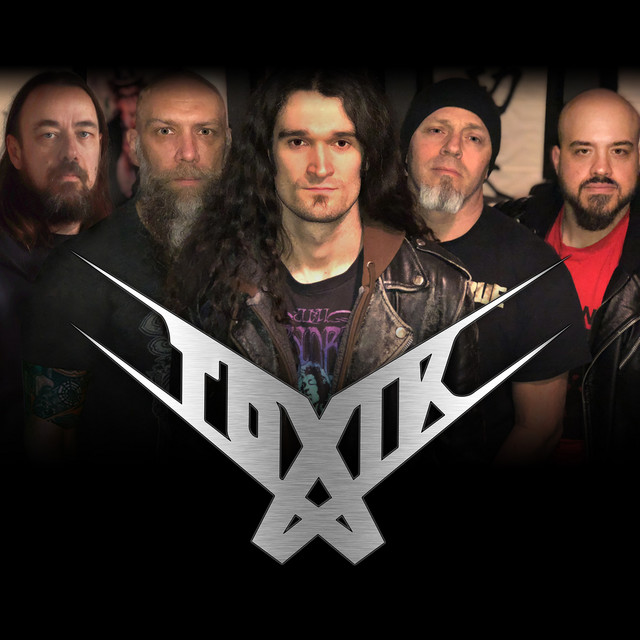
By the turn of the 1990s, technical thrash had a recognizable toolkit: sudden tempo changes, polymetric grooves, bass-forward arrangements, and extended instrumental sections. U.S. bands such as Toxik, Realm, Anacrusis, Believer, Forbidden, Heathen, and Sadus released albums that codified the style. Production values became cleaner to reveal the tightness and detail of the performances, contrasting with the rawer sound of earlier thrash.

Cross-pollination and evolution

The genre’s intricate riff design and rhythmic language fed directly into the birth of technical death metal, as players sought even more extremity in tone and technique. Its emphasis on meter manipulation and precision also influenced later djent, mathcore, and progressive metalcore, where staccato, low-register riffs and highly gridded rhythms became hallmarks.

Revival and legacy (2000s–present)

While grunge and groove metal curtailed thrash’s mainstream presence in the 1990s, technical thrash experienced revivals in the 2000s and 2010s, both via reissues and new bands adopting its exacting aesthetic. Its legacy persists wherever metal values tight ensemble execution, adventurous harmony, and rhythmically sophisticated riffing.
How to make a track in this genre

Core instrumentation
•   Two electric guitars (tight rhythm + lead), bass with a clear, articulate tone, and an aggressive, precise drummer. Vocals range from clean, cutting highs to gritty shouts—clarity over growls is common.
Rhythm and meter
•   Start from thrash’s fast tempos (often 180–220+ BPM) but introduce frequent tempo changes. •   Use odd meters (5/4, 7/8, 9/8) and polymeters (e.g., guitars in 7 while drums phrase in 4). •   Emphasize syncopated, palm‑muted downstrokes, rapid alternate picking, and tightly gated stops.
Harmony and riff writing
•   Combine modal thrash vocabulary (Phrygian, Locrian, Aeolian) with chromatic passing tones and diminished/whole‑tone colors. •   Employ contrary-motion lines, displaced accents, and sequence-based motifs that evolve across sections. •   Balance hooky anchor riffs with through-composed passages; avoid over-repetition.
Arrangement and structure
•   Think in suites: intro figure → primary riff complex → contrasting mid-section (clean break or odd‑meter groove) → development/solo → recapitulation/variation. •   Feature extended instrumental sections where bass and drums carry independent counter‑rhythms to the guitars.
Leads, solos, and drums
•   Guitar solos: mix alternate-picked sequences, sweep/tap arpeggios, outside-note bends, and rhythmic modulation. •   Drums: fast double-kick with ghost notes on snare, metric modulations, and cymbal patterns that outline subdivisions.
Lyrics and concepts
•   Explore science/technology, dystopia, metaphysics, or social critique. Consider concept albums or recurring narrative motifs.
Production and tone
•   Tight, bright rhythm guitars (mid-focused, controlled gain), defined bass with slight grit, and punchy, clicky but natural kicks. •   Edit for precision but preserve micro‑dynamics; clarity is key to reveal intricacy.
Practice tips
•   Rehearse with a click at multiple subdivisions; rotate accents to internalize odd meters. •   Isolate interlocking parts (guitar vs. drums vs. bass) to ensure phase‑accurate stabs and stops.

Main artists

Top tracks

Locked
Share your favorite track to unlock other users’ top tracks
Influenced by
Has influenced
Challenges
Digger Battle
Let's see who can find the best track in this genre
© 2026 Melodigging
Melodding was created as a tribute to Every Noise at Once, which inspired us to help curious minds keep digging into music's ever-evolving genres.
Buy me a coffee for Melodigging