Your digging level
Description
French death metal is the French iteration of death metal, distinguished by a blend of thrash-rooted riffing, cavernous growls, and blast-beat intensity, often sharpened by a taste for technicality, dissonance, and blackened atmospheres.
Across the scene you’ll hear a wide spectrum: from old-school, thrash-touched ferocity (Loudblast, Massacra) to brainy, technical intricacy (Gorod), groove-heavy, polyrhythmic weight (Gojira), and blackened, ritualistic tension (Svart Crown). Production tends to be punchy and modern—articulate guitars, tight kicks, and forward bass—yet many bands retain the rawness and urgency of their tape-trading roots.
Lyrical themes range from gore and nihilism to ecology, philosophy, and spirituality, reflecting the scene’s evolution from underground extremity to globally respected innovation.

History
France’s death metal took shape as the country’s thrash underground darkened and intensified. Pioneers such as Loudblast, Massacra, Agressor, and Mercyless moved from high-speed thrash into a harsher, lower-tuned, blast-driven sound. Demos and split releases circulated through the European tape-trade network, helping establish a national identity that prized precision and ferocity.
By the early 1990s, full-lengths like Massacra’s “Final Holocaust” (1990), Agressor’s “Neverending Destiny” (1990), Loudblast’s “Sensorial Treatment” (1991), and Mercyless’s “Abject Offerings” (1992) cemented the French school of death metal: tight riff architecture, relentless drumming, and a distinctly European chill in the melodies. Labels and distros in France and neighboring countries enabled a steady flow of releases and tours, even as trends shifted globally.
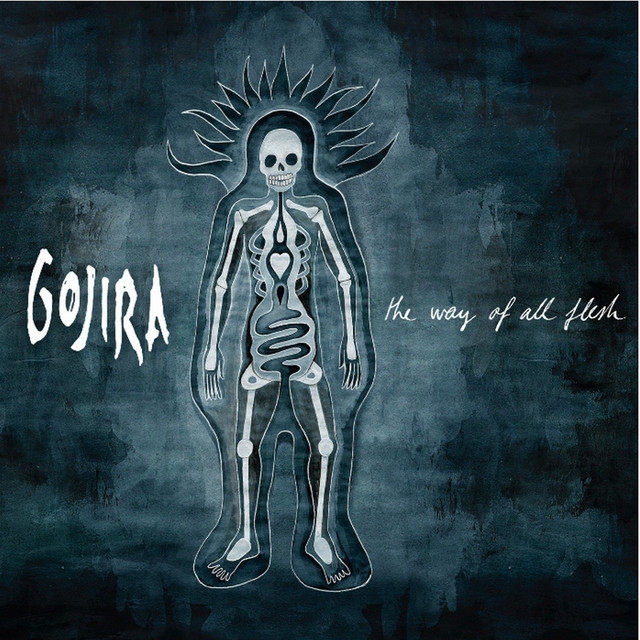
The 2000s brought an internationally visible breakthrough with Gojira, whose polyrhythmic grooves, ecologically minded lyrics, and panoramic production reframed what a French death metal band could be. Parallel to this, Benighted spearheaded a brutal death/grind approach; Gorod pushed technical sophistication; Kronos advanced brutal, mythic themes; and Trepalium folded in syncopated, jazzy grooves. French labels like Season of Mist (Marseille) and Osmose Productions helped export the sound worldwide, while festivals (notably Hellfest in Clisson) amplified the scene’s reach.
French death metal continued to diversify. Svart Crown and Necrowretch embodied a blackened, ashen aesthetic; tech-leaning acts refined virtuosity without losing heft; and groove-forward bands deepened their rhythmic identity. The scene now spans legacy acts and new blood, with France recognized as a crucible for forward-thinking extremity that still honors old-school roots.

Top albums