Your digging level

For this genre
0/8
🏆
Sign in, then listen to this genre to level up

Description

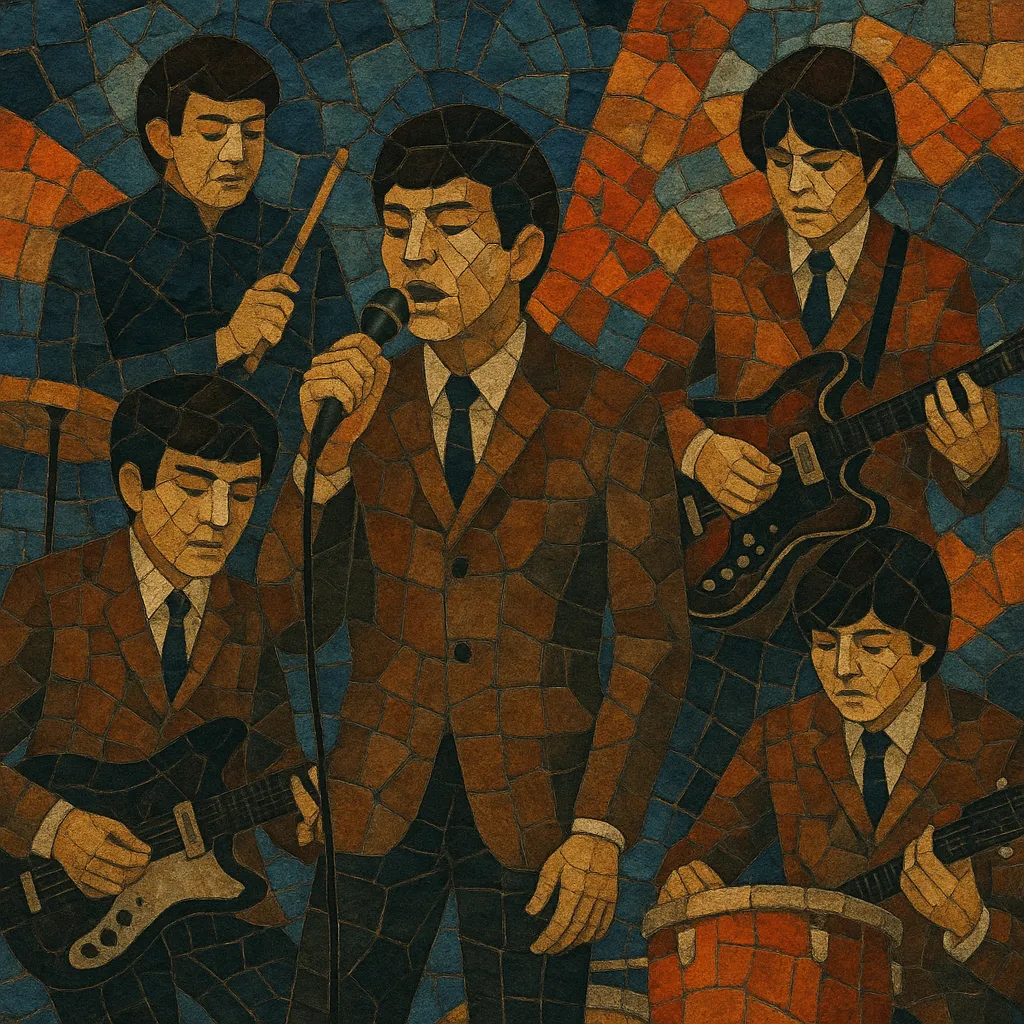
Group Sounds (often abbreviated GS) is a mid–late 1960s Japanese rock movement that fused Western Beat- and garage-derived rock with domestic kayōkyoku songcraft. Bands typically performed in matching stage attire, used electric guitars, organs, and tight vocal harmonies, and initially sang many songs in English before moving toward Japanese lyrics.

GS crystallized the moment Japanese popular music embraced the contemporary British and American rock sound (Merseybeat, surf, garage) while retaining local melodic sensibilities and production aesthetics. Its studio and media practices proved pioneering for modern Japanese pop and rock, helping establish band marketing, television tie-ins, and teen-idol crossovers that later informed J‑pop and the wider rock industry.

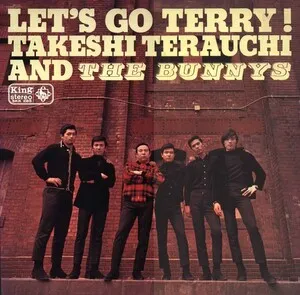
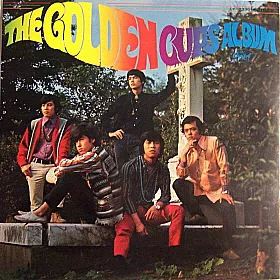
Sources: Spotify, Wikipedia, Discogs, RYM, MB, user feedback and other online sources

History

Origins
•   Early 1960s Japan saw a boom in "eleki" (electric guitar) music inspired by The Ventures (whose Japan tours began in 1962) and surf/rock instrumentals. This created the technical and sonic foundation for bands to adopt British Beat sounds. •   The arrival and mass popularity of The Beatles and the British Invasion—amplified by their 1966 Budokan concerts—catalyzed a wave of Japanese bands modeling Merseybeat rhythm, vocal harmony, and guitar-driven arrangements. •   These groups blended Western Beat conventions with the melodic and sentimental traits of domestic kayōkyoku, creating a distinct hybrid that domestic media labeled "Group Sounds."
Boom (1966–1969)
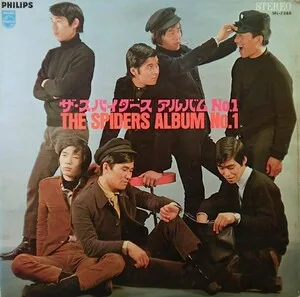
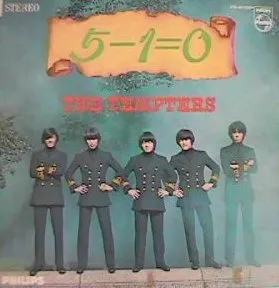
•   GS rapidly dominated youth culture via TV variety shows, teen magazines, and film tie-ins. Labels and talent agencies organized bands with coordinated fashion and carefully crafted images. •   Leading bands such as The Spiders, The Tigers, The Tempters, and The Golden Cups scored major hits, released covers and originals, and toured relentlessly. English-language repertoire gradually gave way to Japanese lyrics as the scene localized. •   Sonically, the movement expanded from Beat and surf to include garage grit and psychedelia (e.g., The Mops), all while retaining accessible hooks and kayōkyoku-influenced melodies.
Industry Practices and Aesthetics
•   GS normalized modern band-centered production in Japan: multi-track studio workflows, fuzz and tape echo, Farfisa/Vox organs, and polished radio-friendly mixes. •   Media synergy—TV special spots, film appearances, coordinated fashion, and fan-club infrastructure—foreshadowed the later J-pop idol economy and the visual branding strategies of Japanese rock.
Decline and Legacy (late 1960s–early 1970s)
•   By 1969–70, the teen-idol sheen and market saturation led to a backlash, while heavier blues/psych/progressive currents drew musicians into new directions. •   Despite its relatively brief peak, GS decisively launched Japanese rock as a mainstream force and provided blueprints for J‑pop industry practices, the rise of 1970s "new music," later J‑rock bands, garage/psych revivals, and eventual visual kei aesthetics.

How to make a track in this genre

Instrumentation and Sound
•   Use two electric guitars (clean-to-crunchy Beat tones plus a fuzz/lead), electric bass, drum kit with a tight backbeat, and combo organ (Farfisa/Vox) for bright chord stabs and melodic fills. •   Favor 1960s signal chain aesthetics: spring reverb, tape echo/slapback on vocals or guitar, light compression, and double-tracked vocals.
Harmony and Melody
•   Build songs around diatonic I–IV–V and ii–V–I progressions with occasional borrowed chords; modulations to the relative major/minor or a whole-step up for the final chorus are idiomatic. •   Melodies should balance Western Beat-style hookiness with kayōkyoku’s lyrical, sentimental contour (clear cadences, memorable refrains, and singable ranges).
Rhythm and Form
•   Keep grooves in 4/4 with brisk tempos (Beat/surf feel) and a driving snare on 2 and 4; add handclaps or tambourine to lift choruses. •   Use concise, radio-friendly forms: intro – verse – chorus – verse – chorus – middle‑eight/solo – chorus – tag. Insert concise organ or fuzz-guitar solos.
Lyrics and Delivery
•   Early GS often used English or macaronic (English/Japanese) lyrics; later, idiomatic Japanese became common. Topics: young love, heartbreak, summer, and teenage longing. •   Vocal harmonies (two- or three-part) on choruses are essential; call-and-response between lead vocal and backing vocals evokes Merseybeat.
Production and Aesthetics
•   Track live rhythm basics, overdub harmonies and organ. Leave some room ambience; avoid excessive modern loudness. •   Embrace coordinated visual styling (matching suits or bold 60s fashion) and concise stagecraft—GS is as much a mediated pop-rock presentation as it is a sound.

Top tracks

Locked
Share your favorite track to unlock other users’ top tracks

Upcoming concerts

in this genre
Influenced by
Has influenced

Download our mobile app

Get the Melodigging app and start digging for new genres on the go
© 2026 Melodigging
Melodding was created as a tribute to Every Noise at Once, which inspired us to help curious minds keep digging into music's ever-evolving genres.
Buy me a coffee for Melodigging