Your digging level
Description
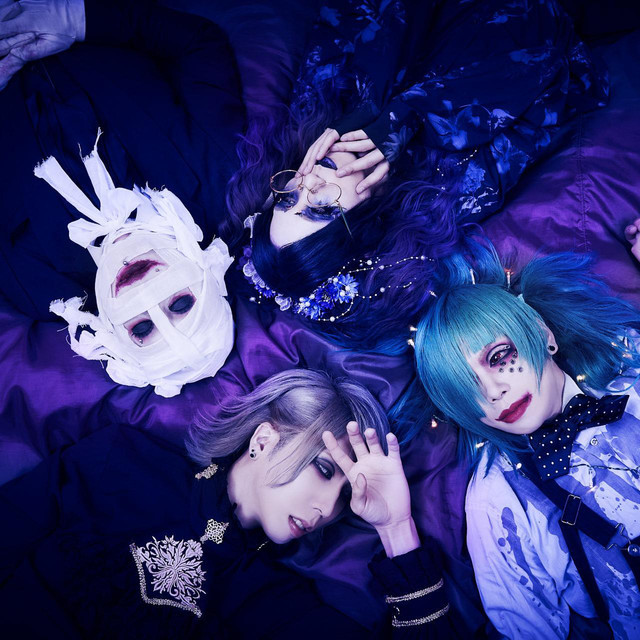
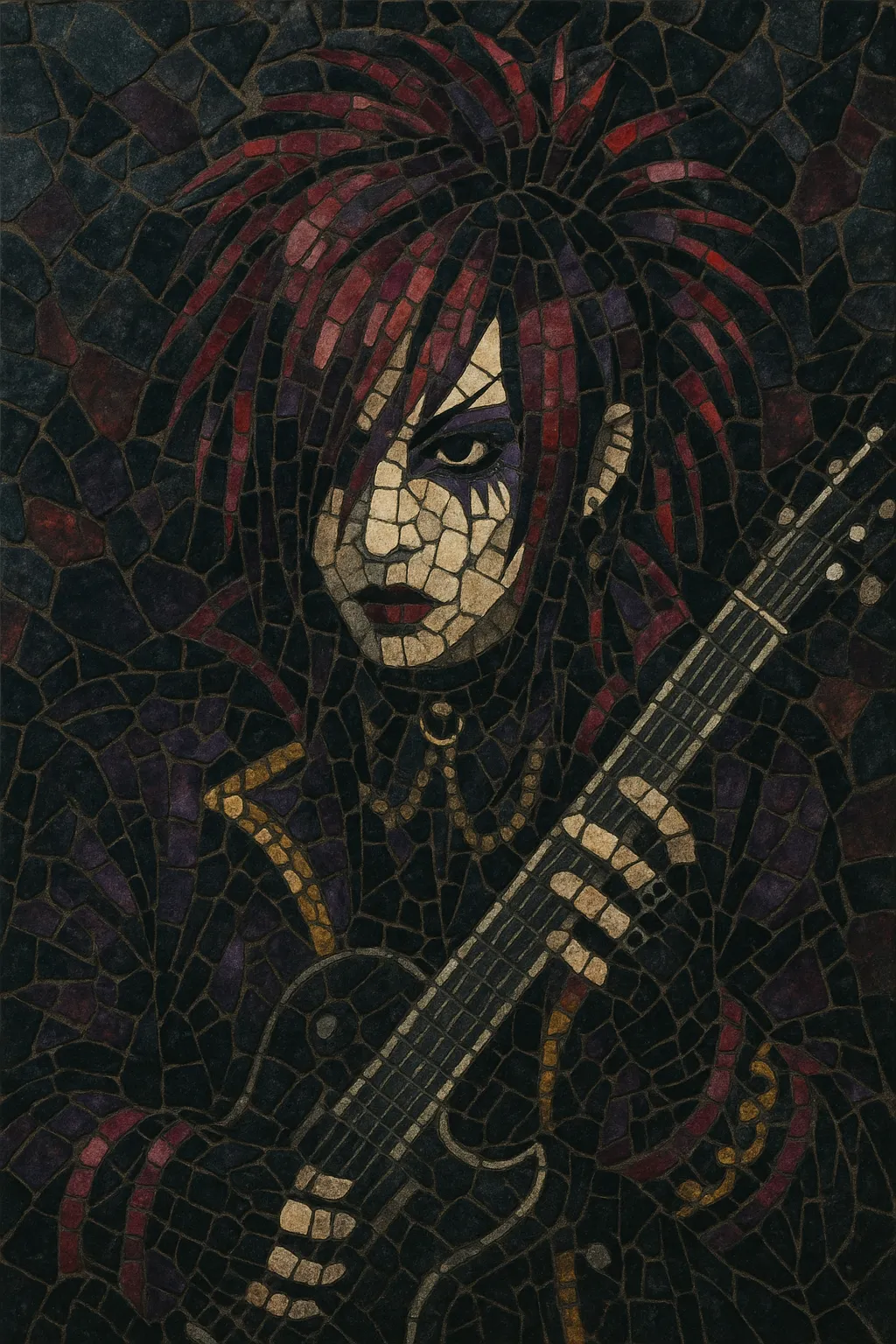
Visual kei is a Japanese rock/metal-centered movement defined as much by its theatrical, gender-fluid visual presentation as by its sound.
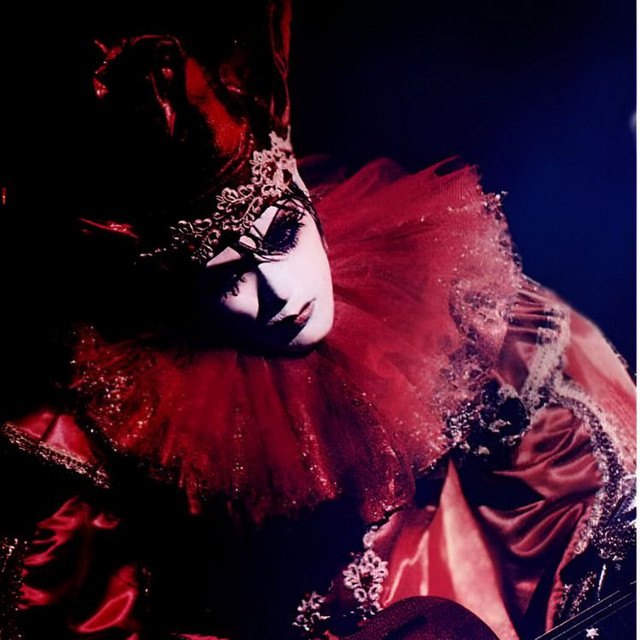
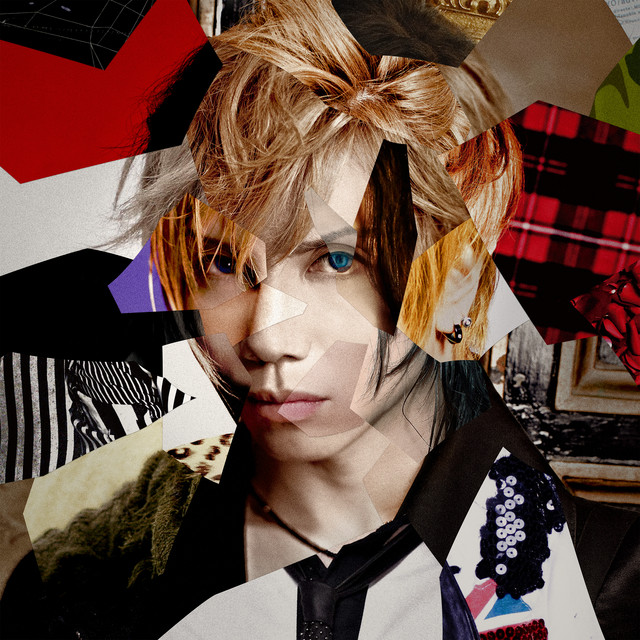
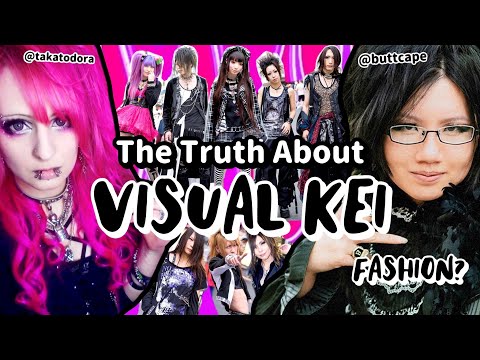
Bands employ elaborate makeup, dramatic hairstyles, flamboyant or gothic costumes, and stylized stagecraft to create a total art experience that fuses music and spectacle.
Musically, visual kei spans hard rock, heavy/speed metal, punk/post-punk, new wave, and gothic influences, often blending melodic hooks with virtuosic guitar work, dynamic arrangements, and emotionally charged vocals.
Lyrical themes commonly explore romance, decadence, existential angst, fantasy, and nostalgic longing, while arrangements may incorporate strings, synths, or piano for cinematic effect.
Substyles like kote kei (early, heavier), Nagoya kei (darker, post-punk/goth-leaning), and later softer or pop-inflected variants illustrate its breadth and evolution.



History
Visual kei coalesced in Japan during the mid-to-late 1980s as bands fused the flamboyance of glam rock/metal with the energy of punk and the moodiness of post-punk/new wave and gothic rock. Early exemplars like X Japan, Buck-Tick, and D'erlanger paired harder, technically adept guitar music with shock aesthetics—makeup, teased hair, and extravagant outfits—forming a scene in Tokyo’s livehouse circuit and indie labels.
By the early 1990s, the movement had solidified, with magazines such as SHOXX and Fool’s Mate popularizing the shorthand “V-kei.” Major-label breakouts (X Japan, Luna Sea) demonstrated that radical visual presentation could coexist with mainstream success. Regional flavors emerged, notably Nagoya kei (Kuroyume, Rouage), which leaned darker and more minimalist, while other bands embraced ornate, baroque or pop elements.
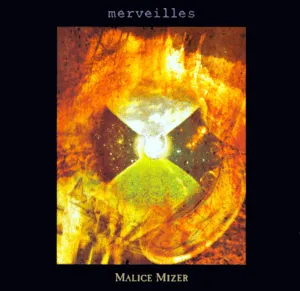
The late 1990s saw broad popularity and stylistic expansion. Acts like Malice Mizer integrated classical, gothic, and theatrical elements; others, including L’Arc~en~Ciel and GLAY, carried visual roots into more pop-oriented rock, bringing the aesthetics to television, stadiums, and charts. Substyle labels—kote kei (heavier, leather-and-studs aesthetics) and softer, pop-tinged approaches—helped fans navigate the scene’s diversity.
A new wave in the 2000s (e.g., Dir en grey’s international tours, the GazettE, Versailles, Moi dix Mois, Nightmare) revitalized the scene, aided by specialized labels (e.g., Free-Will, PS Company) and overseas festivals. Bands experimented with metalcore, symphonic, and electronic textures while maintaining the centrality of visuals.
In the 2010s onward, visual kei’s core practices—dramatic presentation, romantic/gothic thematics, and hybrid rock/metal songwriting—continued with a strong global fanbase via online platforms. Its aesthetics influenced adjacent Japanese rock and pop spheres and intersected with anime, cosplay, and alternative idol cultures, while veteran bands and new acts alike sustain the movement through tours, fan events, and evolving substyles.