Your digging level
Description
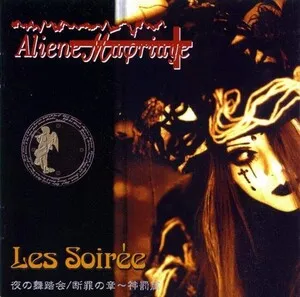
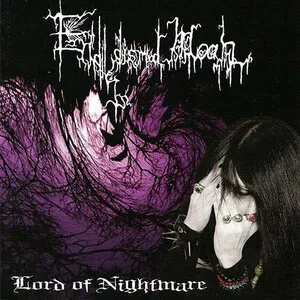
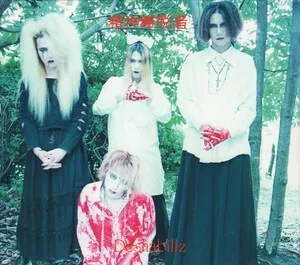
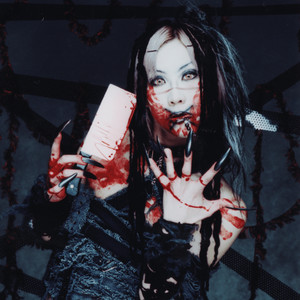
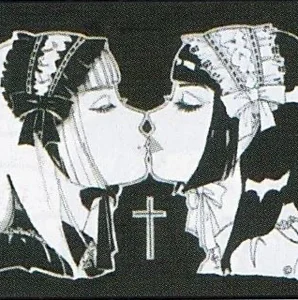
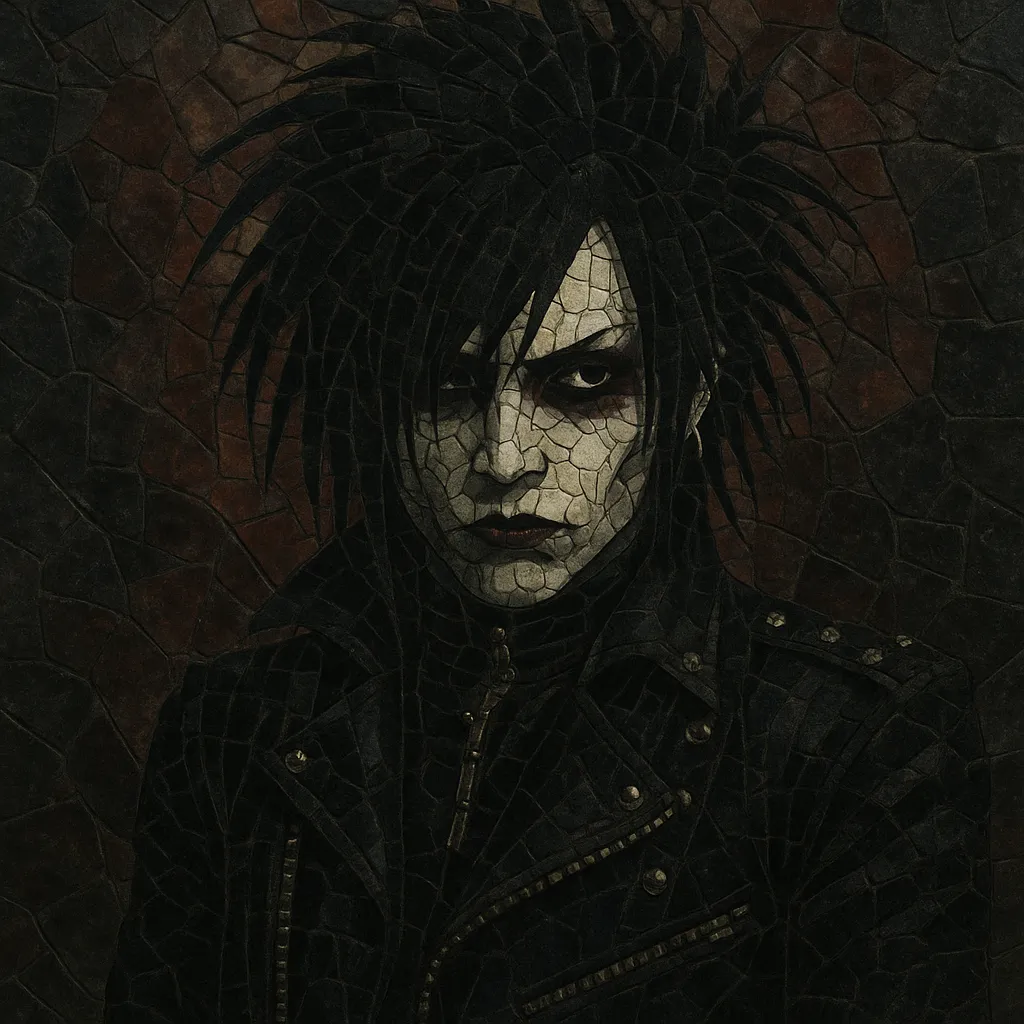
Kote kei is a dark, "classic" strain of Japanese visual kei that crystalized in the mid‑1990s. It emphasizes goth‑inspired, androgynous, and over‑the‑top attire meant to evoke otherworldliness—towering hair, elaborate makeup, corsetry, leather, lace, and Victorian or baroque silhouettes—paired with aggressive, dramatic rock and metal instrumentation.
Musically it blends heavy guitar riffing, double‑kick drumming, and theatrical dynamics with tense minor‑key harmony, chromatic flourishes, and occasional industrial textures. Vocals range from whispery and effeminate to harsh screams, delivering decadent, shocking, or macabre lyrics. The visual concept, stagecraft, and lyrical decadence are inseparable from the sound, creating a total art style that feels dark, epic, and confrontational.


![[V系] How does "Kote kei" sound and look? ✨コテ系はどのように響き、どのように見えますか? #visualkei #kotekei #japanesemusic](https://i.ytimg.com/vi/FLnyBu20Aso/hqdefault.jpg)
History
Kote kei emerged within Japan’s broader visual kei movement as its darker, heavier and more theatrical branch. Drawing on early visual kei pioneers and on Western glam, goth and heavy metal, bands codified a look that was androgynous yet imposing, with deliberately shocking, decadent themes. The term "kote" implies a “hard/solid” classic style that many fans associate with the quintessential 1990s visual aesthetic.
By the late 1990s, kote kei was synonymous with towering hair, ornate gothic costuming, and intense performances. Musically, groups combined hard rock/metal riffing with dramatic modulations and minor‑key atmospheres. Harsh or unusual vocal deliveries, taboo and decadent imagery, and elaborate live shows reinforced a sense of otherworldliness.
In the 2000s, kote kei served as both blueprint and foil: some scenes (e.g., oshare kei) reacted with brighter pop aesthetics, while others (e.g., loud kei, angura kei) retained heaviness or leaned further into underground and theatrical traditions. Although splintered into substyles, the kote kei template—dark glamour, intensity, and integrated visual narrative—remains a reference point for new Japanese rock and metal acts connected to visual kei culture.