Your digging level
Description
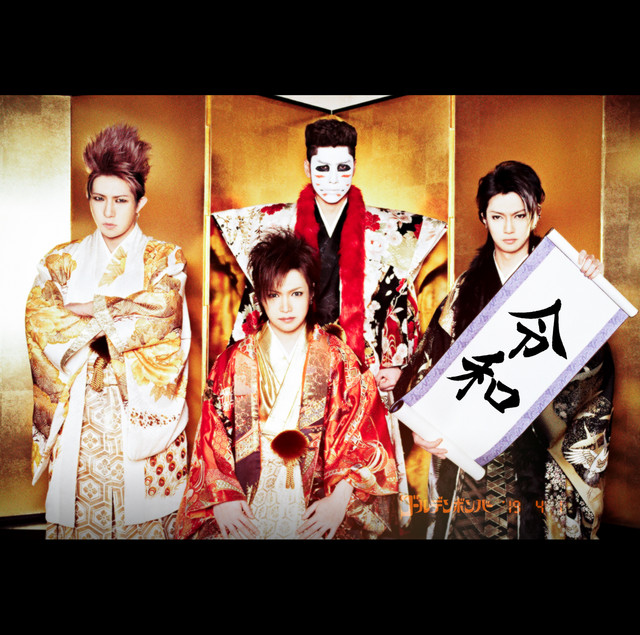
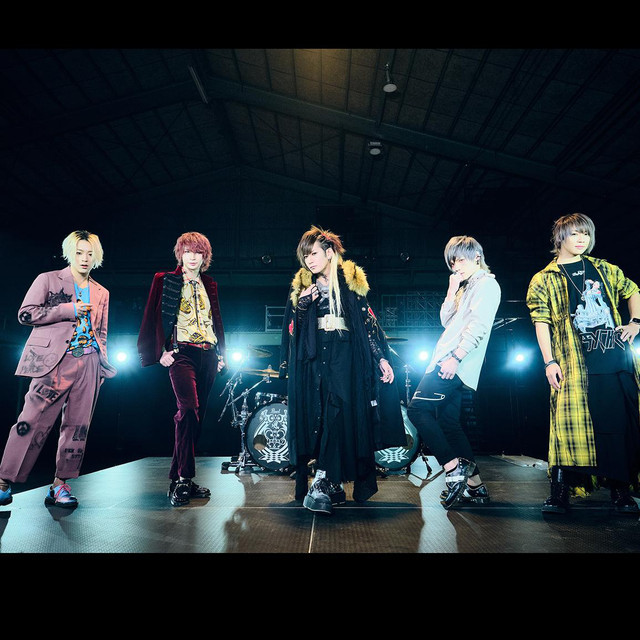
Oshare kei is a fashion-conscious substyle of Japanese visual kei that pairs candy‑colored, Harajuku‑inspired aesthetics with bright, pop‑leaning rock. The word “oshare” means “stylish/fashionable,” and the scene emphasizes playful outfits, vivid imagery, and an upbeat, youthful attitude.
Musically, oshare kei blends J‑rock and pop punk with power‑pop hooks and occasional electropop flourishes. Songs are typically in major keys with high‑energy tempos, clean melodic vocals, glossy guitar tones, catchy chorus refrains, and synth accents. Lyrical themes tend to be optimistic—friendship, romance, humor, and everyday fun—contrasting with the darker tones of earlier visual kei styles.


History
Oshare kei emerged within Japan’s visual kei ecosystem as a colorful alternative to the heavier, darker kote kei and angura kei strains that dominated the late 1990s and early 2000s. Drawing on Harajuku street fashion and the cheerful polish of J‑pop and pop punk, bands began presenting a friendlier, more lighthearted image while retaining visual kei’s theatricality and band‑centric scene culture.
By the mid‑2000s, oshare kei solidified its sonic and visual codes: brisk tempos, sparkling guitar arrangements, ear‑catching choruses, and exuberant stagewear featuring bright colors, stripes, bows, and playful motifs. Labels, live houses, and fan communities clustered around this “cute and catchy” interpretation of visual rock, and the style gained broader visibility through tie‑ins with TV, variety shows, and anime themes.
In the 2010s, many oshare kei bands incorporated electronic pop textures, dance beats, and modern production, while others migrated toward broader J‑rock or alternative pop sounds. Though the term “oshare kei” was used less rigidly over time, its pop‑forward approach and fashion‑first ethos influenced adjacent scenes and helped normalize brighter, hook‑driven aesthetics across visual kei and mainstream J‑rock.
Today, oshare kei is remembered as the cheerful, fashion‑savvy wing of visual kei—a gateway sound that connected pop‑punk immediacy with Japanese rock’s theatrical tradition. Its emphasis on melody, visual identity, and fan‑friendly positivity continues to echo in cute/candy‑colored rock acts, idol‑band hybrids, anime‑aligned rock, and even strands of kawaii‑themed metal and pop.