Your digging level
Description
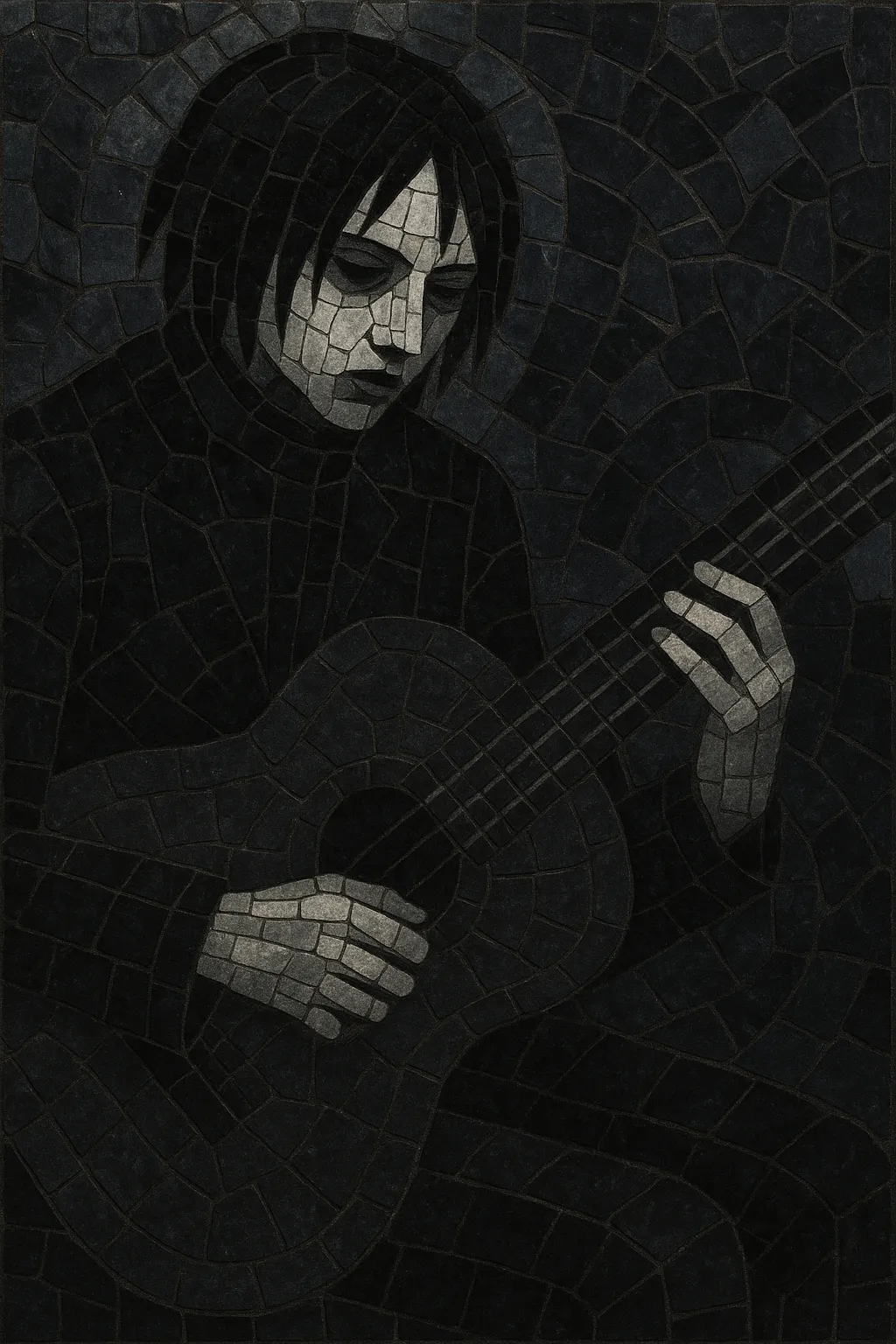
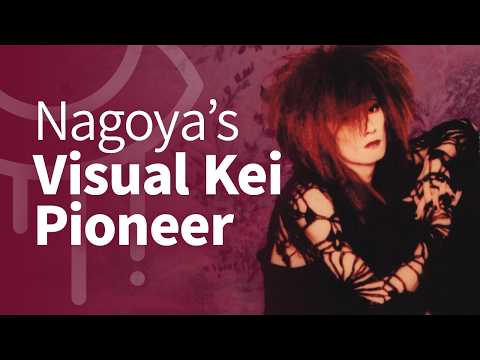
Nagoya kei is a darker, gloomier offshoot within Japan’s visual kei movement that crystallized in the early 1990s around the city of Nagoya.
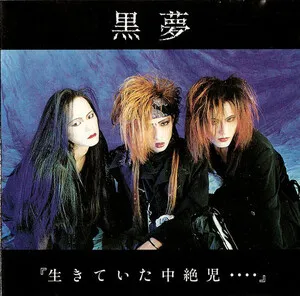
While it initially denoted bands from Nagoya, the tag quickly came to describe a distinct aesthetic: restrained visuals, muted or monochrome styling, and an emphasis on weighty, melancholic songwriting over elaborate costumes.
Musically, Nagoya kei leans more on Western post‑punk, gothic rock, punk rock, alternative rock, and heavy metal than on the glam theatrics often associated with visual kei, favoring minor‑key harmonies, tense atmospheres, and brooding vocal deliveries.
Compared to mainstream visual kei, it is less flamboyant and more composition‑driven, with taut guitar work, tom‑forward drumming, and bass lines that carry melodic counterpoint.


History
Nagoya kei emerged in Nagoya, Japan, in the early 1990s. At first, the term simply grouped acts from the Nagoya scene, but it soon codified into a recognizable style: sonically heavier, emotionally grimmer, and visually more austere than the flamboyant visual kei mainstream. Its practitioners drew deeply from Western post‑punk and gothic rock for mood and harmony, and from punk/alternative rock and heavy metal for momentum and attack.
As bands from the Nagoya circuit gained visibility, critics and fans recognized shared traits—somber lyrical themes, minor‑key chromaticism, chorus/delay‑tinted guitars, and a preference for black or understated stagewear. The focus tilted decisively toward songwriting and arrangement rather than costuming. Although the label pre‑dated the widespread use of the term “visual kei,” the latter grew to dominate discourse, and many Nagoya kei artists were retroactively grouped under the broader visual kei umbrella.
Through the late 1990s and early 2000s, Nagoya kei continued to influence darker strains of visual kei and adjacent Japanese rock and metal. Some acts modernized the template with tighter production and heavier guitar tones, while others preserved the raw, post‑punk edge. As “visual kei” became the global shorthand, explicit use of “Nagoya kei” waned, but its sonic DNA—brooding atmospheres, disciplined arrangements, and a less ostentatious visual language—remained influential.
Today, Nagoya kei is recognized as a key regional/current within visual kei history. Its emphasis on composition and mood helped shape darker Japanese post‑hardcore, metalcore, and screamo scenes in the 2000s, while continuing to inform bands that favor gravity over glam.