Your digging level
Description
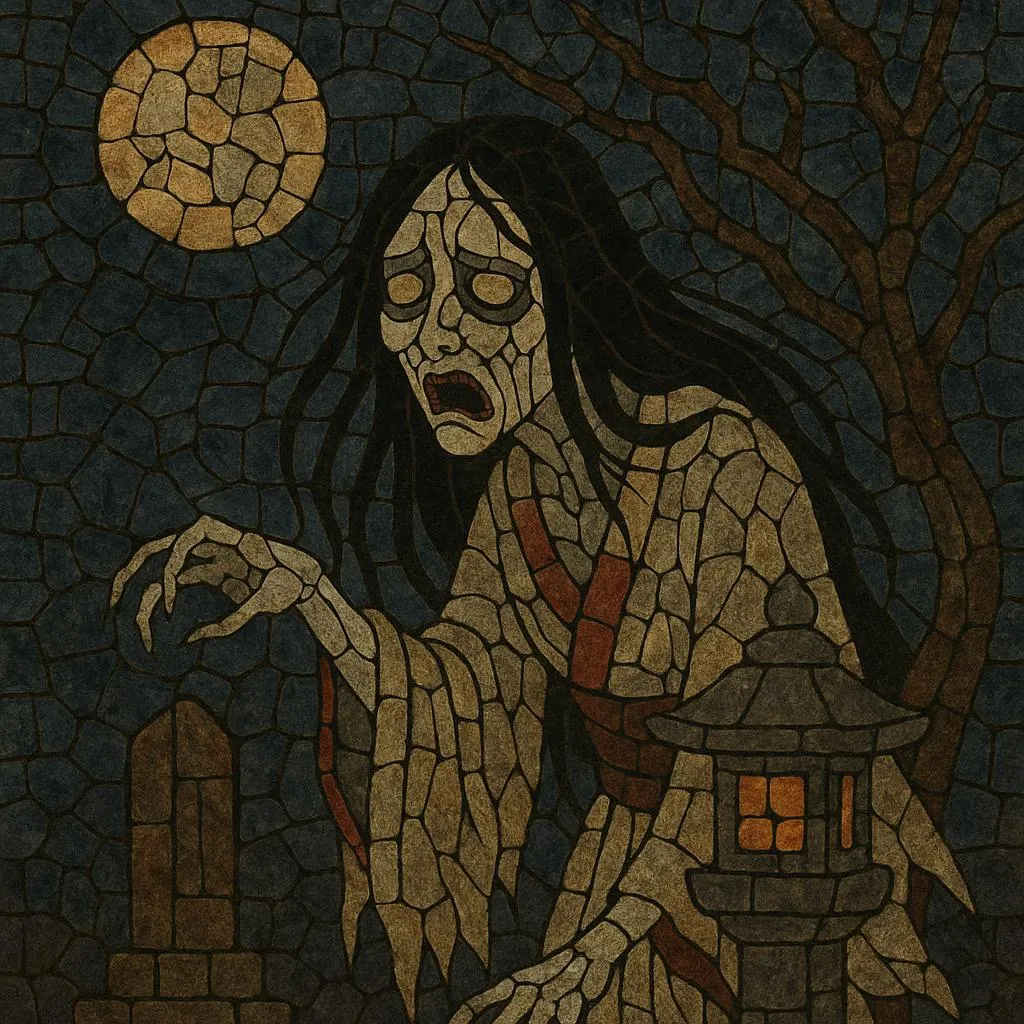
Kaidan refers to traditional Japanese ghost stories and tales of the strange, primarily flourishing during the Edo period. While originally a form of oral storytelling and literature, it developed a distinct sonic identity through performances in Rakugo (comic storytelling) and Kabuki theater. The genre is characterized by its eerie atmosphere, moral undertones often rooted in Buddhist karma, and the specific use of traditional instrumentation and sound effects to evoke fear and suspense. It encompasses everything from vengeful spirits (onryō) to strange supernatural phenomena.
History
The roots of Kaidan lie in ancient Japanese oral folklore and Buddhist didactic tales intended to teach moral lessons through fear.
During the Edo Period (1603–1867), the genre exploded in popularity, particularly with the Hyakumonogatari Kaidankai (Gathering of 100 Ghost Stories), a parlor game where participants told stories by candlelight, extinguishing a light after each tale to summon spirits.
In the 18th and 19th Centuries, Kaidan became a staple of Kabuki theater and literature, with masterworks like Ugetsu Monogatari (1776) and the play Yotsuya Kaidan (1825) defining the aesthetic.
The Meiji Era (1868–1912) saw the refinement of Kaidan-banashi (ghost story storytelling) by masters like Sanyūtei Enchō, while Lafcadio Hearn (Koizumi Yakumo) collected and translated these tales, introducing them to the West.
In the Modern Era, Kaidan has evolved into the foundation of J-Horror cinema and continues to be performed by contemporary storytellers and featured in audio dramas.
To compose or perform in the style of Kaidan, focus on creating a chilling atmosphere through minimalism and timing.
Instrumentation: Utilize traditional Japanese instruments like the shamisen for sharp, percussive tension, and the shakuhachi or shinobue flute for high-pitched, breathy, and eerie melodies. Percussion is vital; use taiko drums for low, rumbling dread.
Sound Effects: Incorporate narimono (theatrical sound effects). The most iconic is the dorodoro (a rolling drum pattern) used to signal the appearance of a ghost. Wooden clappers (hyoshigi) can mark dramatic shifts.
Rhythm and Pacing: The rhythm should be dictated by the narrative flow. Master the use of Ma (negative space or silence); pauses are as important as sound to build anticipation. The tempo often starts slow and deliberate, accelerating into chaos during the climax.
Vocals: If performing verbally, use a dynamic range that shifts from a monotonous, quiet whisper to sudden, explosive shouts to startle the listener.