Your digging level
Description
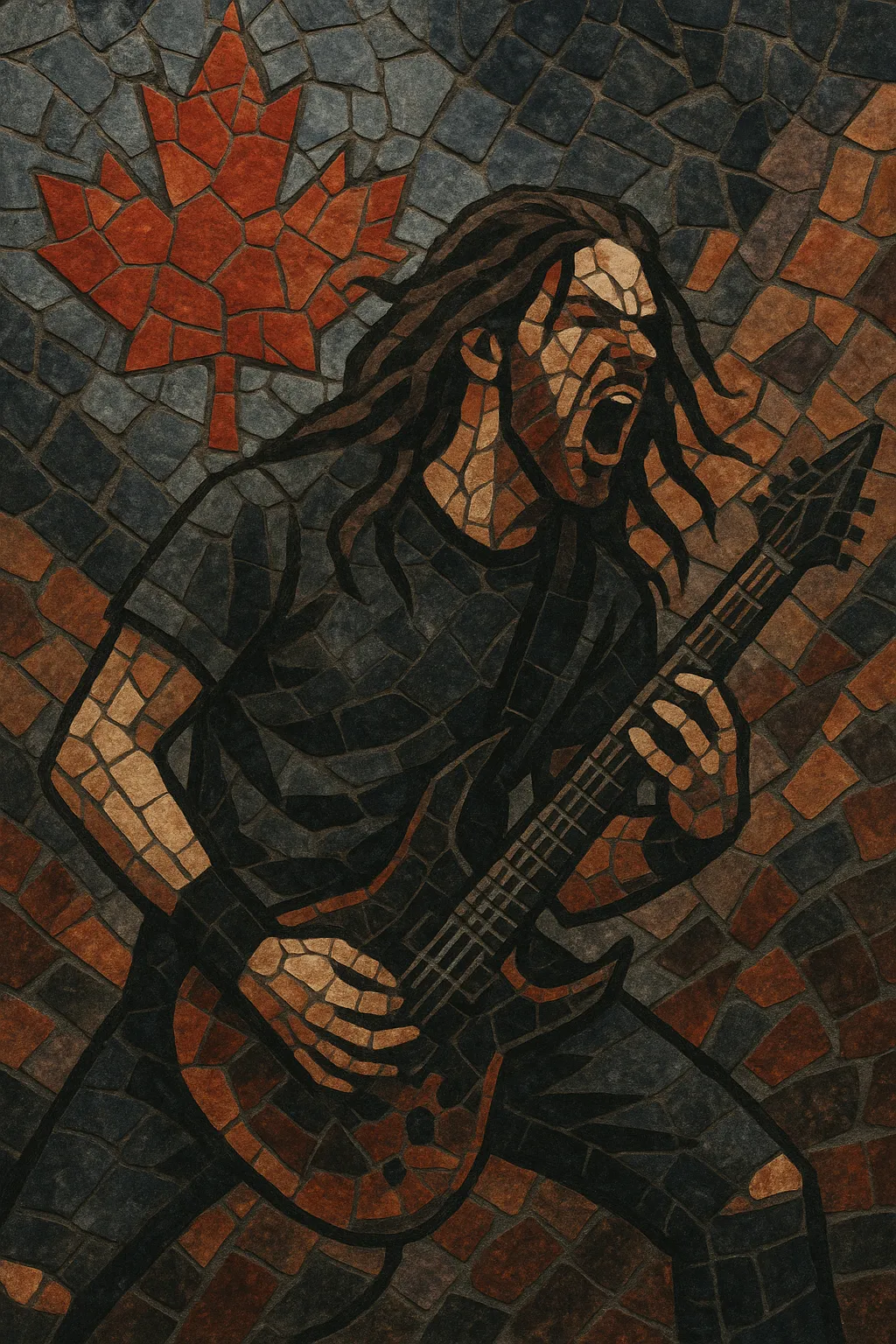
Canadian metalcore is a national spin on the metalcore template that blends hardcore punk energy with metallic precision and strong melodic sensibilities. It is known for a balance of technical riffing and sing‑along hooks, switching between harsh screams and soaring clean choruses.
Scenes clustered around Southern Ontario (Toronto, Hamilton, Burlington), Montréal, and the Maritimes helped shape a sound that can be both emotive and highly skilled: intricate guitar lines, rhythmic stutters and polyrhythms, harmonized leads informed by the Gothenburg melodic death metal style, and tight, explosive breakdowns. Lyrically, bands often mix personal introspection and social commentary, delivered with a distinctly earnest, cathartic tone.
Over time, the scene absorbed progressive and mathy ideas (odd meters, sudden modulations) while remaining accessible through memorable choruses and dynamic arrangements. Modern Canadian acts frequently incorporate djent‑like low tunings, ambient textures, and sleek production without losing the core hardcore bite.
History
Canadian metalcore coalesced in the early 2000s from overlapping hardcore, post‑hardcore, and melodic death metal currents. Southern Ontario’s melodic hardcore and emo heritage (e.g., Grade and the Burlington/Hamilton DIY circuit) fed into heavier, more technical directions, while Montréal’s extreme metal culture added speed, precision, and harsh vocal techniques. Early touring circuits (indie venues, community halls, Warped Tour off‑dates) forged a national network and cross‑pollinated sounds.
By the mid‑2000s, Canadian bands began standing out for technical flair and hook‑writing. Protest the Hero’s “Kezia” (2005) and “Fortress” (2008) set a benchmark for progressive, virtuosic metalcore with singable refrains. The Agonist brought a melodic yet ferocious Montréal edge. Labels and promoters such as Distort Entertainment and a strong college‑radio/DIY infrastructure helped exports tour North America and Europe.
The 2010s saw a broad palette: Counterparts refined a melodic, emotionally charged hardcore/metalcore hybrid; Structures and Dead and Divine pushed rhythmic complexity; Obey the Brave bridged hardcore urgency with metalcore punch; and Ion Dissonance’s mathy chaos influenced heavier ends of the spectrum. Electronic elements entered via local pioneers like Abandon All Ships, aligning Canada with the global electronicore wave. Festivals (e.g., Heavy MTL) and online platforms amplified international reach.
A new wave adopted extended‑range guitars, modern production, and atmosphere. Spiritbox’s international success demonstrated how Canadian metalcore could fuse djent‑leaning textures, ambient layers, and anthemic choruses while retaining the genre’s intensity. Today the scene remains vibrant, with regional hubs continuing to incubate bands that emphasize both musicianship and emotional immediacy.