Your digging level

For this genre
0/8
🏆
Sign in, then listen to this genre to level up

Description

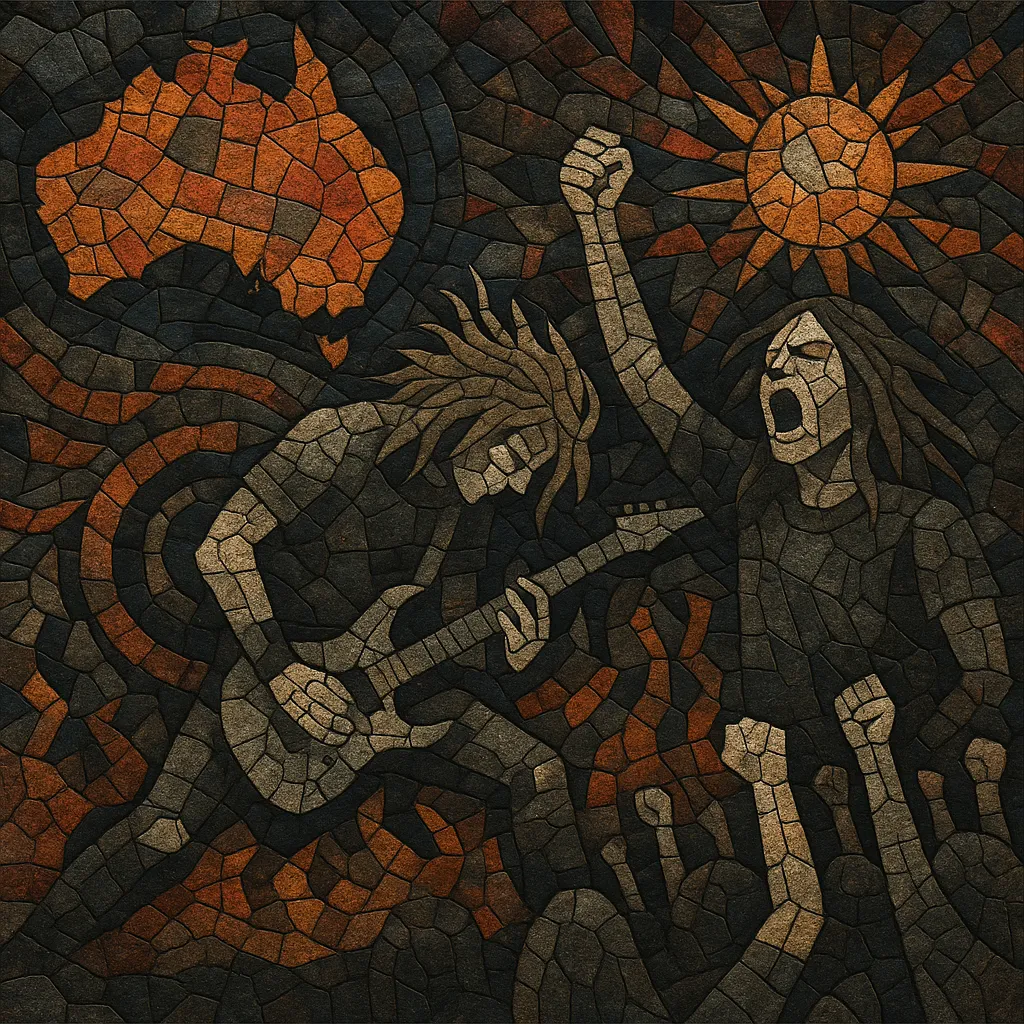
Australian metalcore is a regional scene of modern metalcore characterized by muscular breakdowns, anthemic sing‑along choruses, and a polished yet dynamic production aesthetic. Bands often combine hardcore punk energy with melodic death metal harmonies and, in later waves, djent/progressive syncopation and atmospheric textures.

Geographically anchored in coastal and metropolitan hubs such as Byron Bay, Brisbane, Sydney, Melbourne, and Perth, the scene is known for relentless touring culture, festival circuits, and strong label/media support. Lyrically, themes frequently touch on personal struggle, mental health, resilience, community, and environmental awareness, balancing aggressive delivery with cathartic uplift.


Sources: Spotify, Wikipedia, Discogs, Rate Your Music, MusicBrainz, and other online sources

History

Roots and formation (early–mid 2000s)

Australian metalcore coalesced in the early 2000s as local hardcore punk communities began absorbing metal riffing, double‑kick drumming, and Swedish‑tinged melodic death metal harmonies. Grassroots shows, DIY tours, and small labels fostered a tight network across Byron Bay, Brisbane, Sydney, Melbourne, and Perth. Early flag‑bearers such as I Killed the Prom Queen helped establish a template of breakdown‑centric songwriting with melodic leads and alternating harsh/clean vocals.

Breakthrough and export (late 2000s–early 2010s)

The scene gained international momentum as Parkway Drive and The Amity Affliction broke out with charting albums and high‑profile overseas tours. Domestic festival platforms (e.g., Soundwave) and emerging heavy‑music labels (e.g., UNFD/UNIFIED, Resist) amplified visibility. Media support from Triple J and a strong all‑ages show culture enabled bands to cultivate large, loyal fanbases and export the sound globally.

Diversification and progressive turn (mid–late 2010s)

A new wave (e.g., Northlane, Polaris, In Hearts Wake, Void of Vision) emphasized technical precision, syncopated grooves, lower tunings, and ambient/electronic layers. Djent‑style accents and post‑rock atmospherics became more common, while production values sharpened—tight editing, sample‑reinforced drums, and wide, arena‑ready mixes.

Consolidation and global stature (2020s)

By the 2020s, Australian metalcore was recognized as a world leader in the style. Bands routinely achieved ARIA chart success and headlined international tours, while festivals like UNIFY Gathering reinforced community infrastructure. The sound now ranges from melodic, chorus‑driven anthems to darker, nu‑metalcore‑leaning aggression, but retains the core DNA of breakdowns, cathartic hooks, and high‑impact live performance.

How to make a track in this genre

Instrumentation and tunings
•   Use 6/7‑string guitars in low tunings (Drop C, Drop B, Drop A; 7‑string Drop G/Drop F# for heavier variants). •   Bass mirrors guitar riffs an octave down, locking tightly with kick patterns. •   Drums favor precise double‑kick work, halftime breakdowns, rapid fills, and china/ride accents.
Rhythm and groove
•   Center songs around mosh‑friendly breakdowns: halftime feel at 120–160 BPM with syncopated, palm‑muted chugs. •   Incorporate djent‑like rhythmic motifs (polymetric groupings, off‑beat accents) alongside straight, driving verses.
Harmony and riff writing
•   Blend metal riffing (open‑string pedal tones, dissonant seconds/tritones) with melodic leads (Aeolian/Phrygian flavors, modal interchange). •   Contrast heavy low‑register riffs with ambient clean‑guitar layers, pads, and post‑rock swells for dynamic breadth.
Vocals and lyrics
•   Alternate harsh screams/growls in verses with soaring, clean choruses; gang vocals to energize big moments. •   Lyrical focus: personal struggle, mental health, perseverance, community, and environmental themes—honest and direct.
Song structure and dynamics
•   Common form: intro/tease riff → verse (harsh) → pre‑chorus lift → chorus (clean, anthemic) → riff/bridge → breakdown → final chorus/outro. •   Use tension/release: strip back to cleans or ambience before the heaviest breakdown; save highest vocal register for final chorus.
Production
•   Modern, polished mix: tight editing, drum sample reinforcement, layered rhythm guitars (quad‑tracking), and wide stereo ambience. •   Sidechain ambient pads to kick/snare for clarity; saturate bass to translate on smaller systems.
Performance aesthetic
•   Emphasize tight ensemble cohesion and impactful transitions; craft live dynamics (stops, drops, count‑ins) for crowd participation.

Top tracks

Locked
Share your favorite track to unlock other users’ top tracks
Influenced by
Challenges
Digger Battle
Let's see who can find the best track in this genre
© 2026 Melodigging
Melodding was created as a tribute to Every Noise at Once, which inspired us to help curious minds keep digging into music's ever-evolving genres.
Buy me a coffee for Melodigging