Your digging level

For this genre
0/8
🏆
Sign in, then listen to this genre to level up

Description

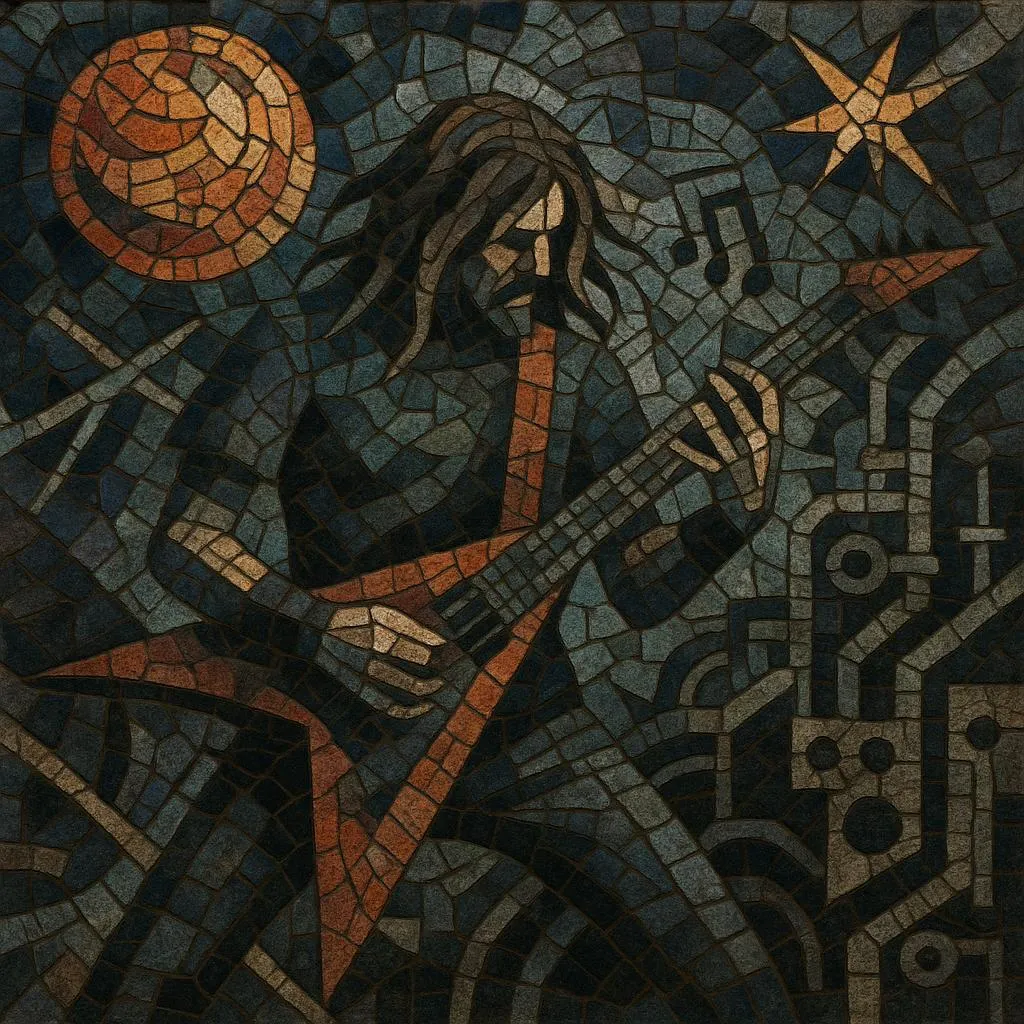
Progressive thrash is a branch of thrash metal that merges the velocity, attack, and palm‑muted riffing of classic thrash with the asymmetric meters, modular song forms, and harmonic adventurousness of progressive rock and jazz fusion.

Compared to straightforward thrash, it features frequent time‑signature changes, multi‑section arrangements, dramatic dynamic shifts (clean interludes vs. high‑gain volleys), and lead guitars/bass parts that often move contrapuntally rather than simply doubling riffs. Lyrically it leans toward science fiction, technology, philosophy, and social critique, matching its intricate, cerebral musical language.


Sources: Spotify, Wikipedia, Discogs, RYM, MB, user feedback and other online sources

History

Origins (mid–late 1980s)

Progressive thrash emerged as thrash metal matured in the mid–1980s. Bands steeped in the aggressiveness of Bay Area and European thrash began absorbing the rhythmic complexity and long‑form structures of progressive rock, as well as the chops‑forward ethos of jazz fusion. This yielded songs with odd meters, tempo modulations, and multi‑part narratives without abandoning thrash’s speed and bite.

Early exemplars appeared across North America and Europe, cultivating distinct regional fingerprints: intricate riff mazes and dissonant chords in Québec, precision technicality in Switzerland and Germany, and melodic/progressive tendencies in the San Francisco Bay Area.

Development and codification (late 1980s–early 1990s)

By the turn of the 1990s, a recognizable vocabulary had formed: rapid metric gear‑shifts (e.g., 7/8↔4/4), chromatic/Modal riff cycles, contrapuntal bass lines, neo‑classical or fusion‑tinged solos, and conceptually unified albums. Production favored clarity and separation to let dense parts read amid high tempos.

Pressure and diffusion (1990s–2000s)

The early 1990s’ pivot toward groove metal, death metal, and alternative sounds thinned the field. Some groups paused or evolved toward broader progressive metal or avant‑metal, while the style’s DNA quietly permeated technical thrash and the burgeoning technical/progressive death metal scenes.

Revival and modern wave (2010s–present)

A renewed interest in classic thrash combined with modern production revived progressive thrash. Contemporary acts pair the foundational approach with expanded harmony, concept storytelling, and sci‑fi thematics, reinforcing the genre’s status as the cerebral edge of thrash while influencing djent, math‑leaning metal, and progressive metalcore.

How to make a track in this genre

Core feel and rhythm
•   Aim for thrash velocities (typically 180–220 BPM) but write in mixed meters: weave 7/8, 5/4, or 9/8 against 4/4 sections. •   Use metric modulation and hemiolas to pivot between riffs; accent displacement (off‑beats, tied accents over barlines) adds urgency without losing groove.
Riffing, harmony, and counterpoint
•   Build riffs from chromatic cells and modal minor (Aeolian, Dorian, Phrygian), and spice with tritones and diminished/augmented intervals. •   Employ modular riff cycles: A–B–A’–C rather than simple verse/chorus. •   Write independent bass parts (not just doubling guitars); occasional fretless or chordal bass passages highlight the progressive flavor. •   Treat two guitars contrapuntally: harmonized lines in thirds/sixths, contrary‑motion fills, and canonic/stretti moments before unison impacts.
Arrangement and form
•   Think suite‑like: overture‑riff → fast movement → clean interlude → development → recapitulation/coda. •   Insert clean/acoustic or effected guitar interludes and odd‑meter breakdowns; use brief key changes or modal shifts to delineate sections. •   Design solos thematically: begin on motifs from the riffs, then broaden with arpeggio sequences (harmonic/melodic minor colors) and fusion‑style phrasing.
Drums and groove design
•   Alternate fast skank beats with intricate tom figures; use ghost notes and cymbal ostinatos to articulate meter changes. •   Double‑kick for cadential drives; reserve blast‑adjacent figures for climaxes so the macro‑dynamics breathe.
Vocals and lyrics
•   Blend thrash bark with controlled melodic phrasing; deploy harmonies or call‑and‑response in refrains. •   Favor conceptual or sci‑fi narratives, technology ethics, psychology, or socio‑political themes to match the music’s intellectual weight.
Tone and production
•   Tight, articulate high‑gain rhythm tones (medium saturation, fast attack); slightly scooped low‑mids but keep enough midrange for note clarity. •   Bass forward in the mix; crisp, natural drum ambience with defined transients. Click‑track and tempo maps help navigate complex structures.
Practice approach
•   Rehearse section transitions at half‑speed; count subdivisions aloud to internalize meter. •   Map song flow (charts with bar counts/meters/keys). Record pre‑pro demos to test density vs. intelligibility. •   Woodshedding: alternate‑picking stamina, economy/sweep shapes for soloists, paradiddle variants and odd‑meter ostinatos for drummers.

Main artists

Top tracks

Locked
Share your favorite track to unlock other users’ top tracks

Upcoming concerts

in this genre
Influenced by
Has influenced

Download our mobile app

Get the Melodigging app and start digging for new genres on the go
© 2026 Melodigging
Melodding was created as a tribute to Every Noise at Once, which inspired us to help curious minds keep digging into music's ever-evolving genres.
Buy me a coffee for Melodigging