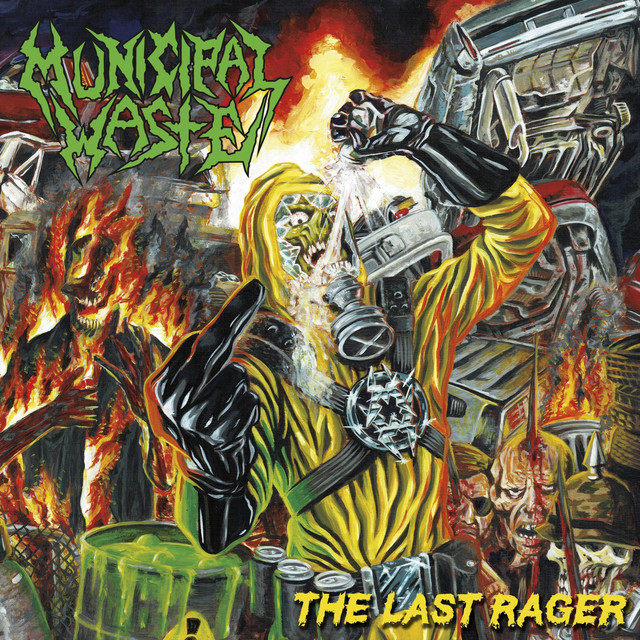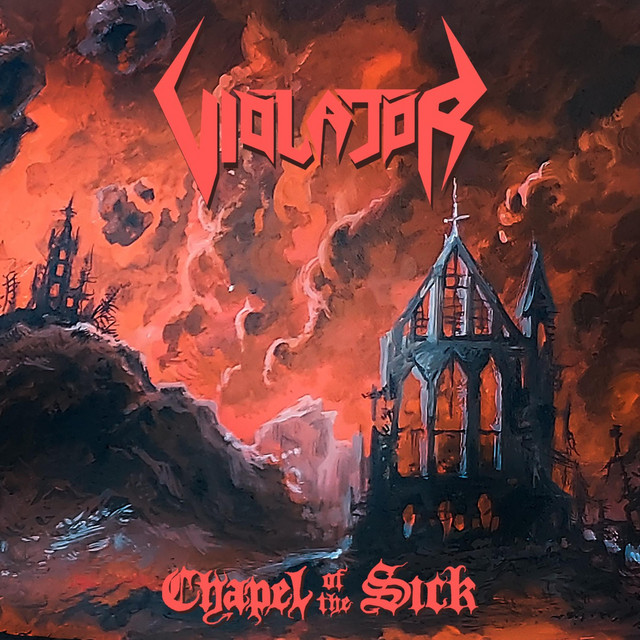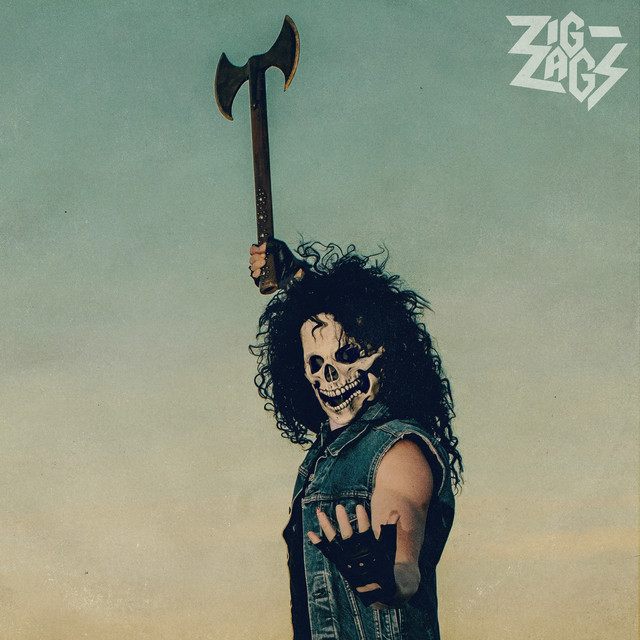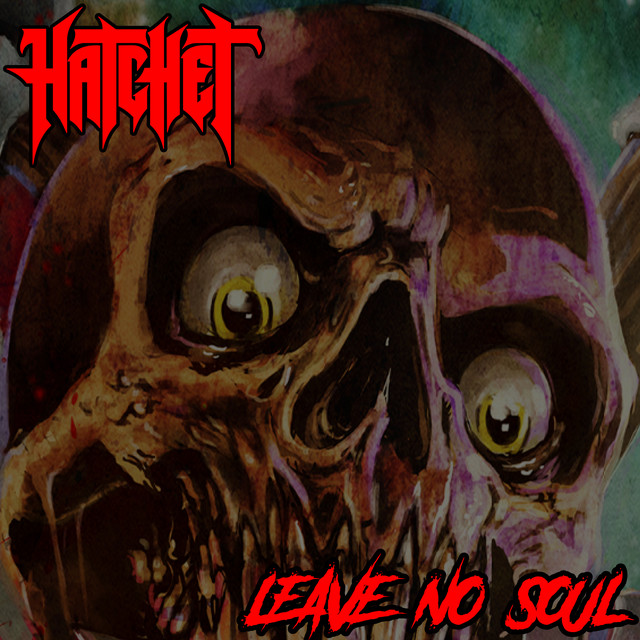
Your digging level

For this genre
0/8
🏆
Sign in, then listen to this genre to level up

Description

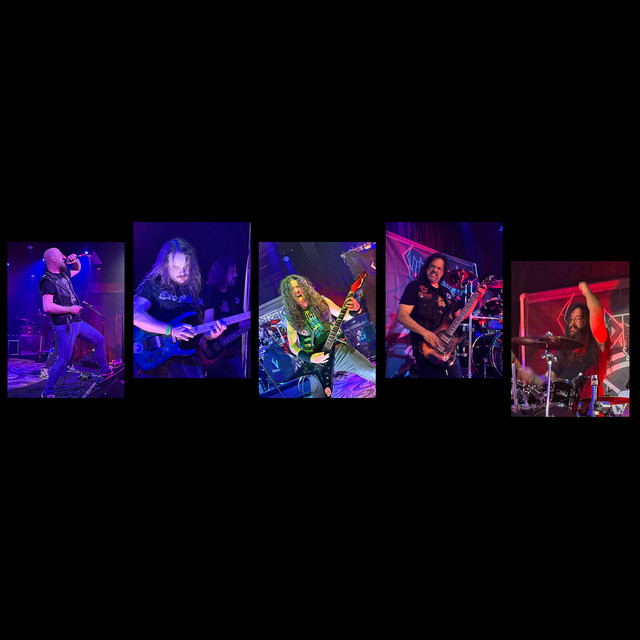
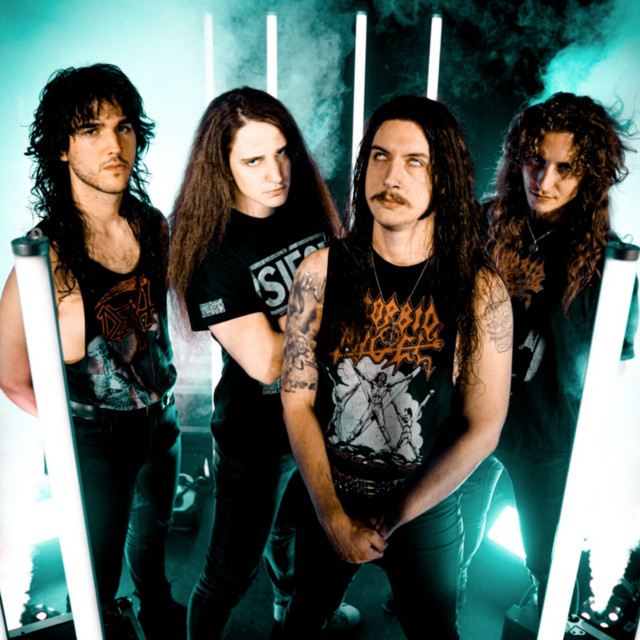
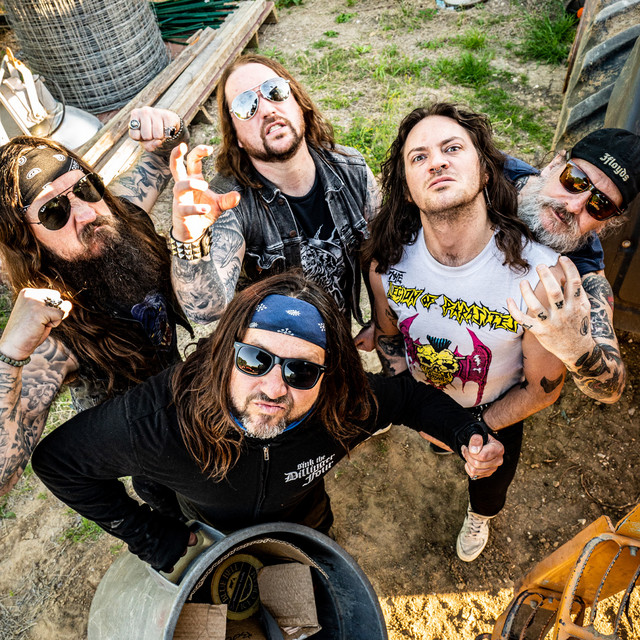
New wave of thrash metal is a modern revival movement that re-emphasizes the core traits of 1980s thrash metal: fast tempos, palm-muted riffing, sharp down-picked rhythms, and urgent, confrontational energy.

Compared to many 1990s and early-2000s metal trends, it typically favors rawer guitar tones, simpler (but very tight) song structures, and riff-first writing.

The style often blends classic Bay Area and Teutonic thrash vocabulary with contemporary recording clarity and occasional crossover-hardcore bite, while generally avoiding the extreme technicality or low-end focus associated with technical death metal or modern metalcore.


Sources: Spotify, Wikipedia, Discogs, Rate Your Music, MusicBrainz, and other online sources

History

Origins (late 1990s–2000s)

New wave of thrash metal emerged as younger bands began reviving the speed and riffcraft of 1980s thrash after a period when groove metal, nu metal, and various extreme-metal substyles dominated mainstream attention.

2000s breakout and scene identity

In the 2000s, a recognizable wave of bands (especially from the United States and Europe) formed around an explicitly “back to thrash” ethos: fast, riff-dense songs; shouted gang vocals or barked chants; and stage presentation that referenced classic thrash aesthetics.

2010s consolidation and cross-pollination

By the 2010s, the movement had become an established lane within metal festivals and labels, with some groups leaning more toward melodic, NWOBHM-tinged riffing and others pushing into harsher, more aggressive Teutonic-influenced territory.

Present day

Today, the style persists as both a revivalist approach and a gateway between classic thrash and contemporary extreme metal, with bands varying in how faithfully they emulate 1980s production and how much modern heaviness they incorporate.

How to make a track in this genre

Instrumentation & tone
•   Guitars: Use tight, palm-muted downpicking with occasional tremolo-picked runs. Aim for a biting midrange; many bands use a relatively “old-school” thrash crunch rather than modern scooped tones. •   Bass: Double the guitar riffs frequently, but add audible pick attack or clank so the fast passages stay defined. •   Drums: Prioritize energetic thrash beats (fast 8ths/16ths on hats or ride) and frequent snare backbeats; use double-kick for drive, but keep patterns riff-supportive. •   Vocals: Shouted, barked, or snarled delivery is common; gang shouts in choruses can reinforce the crossover spirit.
Riffs & rhythm
•   Write riff-forward songs built from 4–8 bar motifs. •   Use classic thrash rhythmic cells: gallops, reverse-gallops, and chug-to-sprint transitions. •   Common tempo ranges are 160–220 BPM, with occasional mid-tempo breakdown-like sections that still feel thrashy rather than metalcore.
Harmony & melody
•   Favor minor keys, chromatic passing tones, and tritone-inflected shapes. •   Incorporate NWOBHM-style melodic leads sparingly for hooks, but return quickly to rhythmic riffing. •   Keep chord progressions simple; the “movement” comes from rhythmic variation and riff changes more than from complex harmony.
Song structure
•   Typical structure: Intro riff → Verse riff → Pre-chorus build → Chorus hook → Solo section → Final chorus. •   Place a short, high-energy solo over a clear rhythm riff; many songs also include a second mini-lead or trade-off. •   Maintain momentum with quick transitions and avoid overly long ambient intros.
Lyrics & themes
•   Common topics include social criticism, partying/scene culture, horror or B-movie imagery, and anti-authoritarian themes. •   Use punchy phrasing designed to land on snare hits and to enable call-and-response shouts in choruses.
Performance tips
•   Tightness is essential: rehearse riffs with a metronome at performance tempo. •   Emphasize dynamic contrast (half-time feel vs. full sprint) without losing aggressiveness. •   Arrange backing vocals and gang shouts so they punctuate transitions and choruses rather than clutter verses.

Top tracks

Locked
Share your favorite track to unlock other users’ top tracks
Influenced by
Has influenced
No genres found
Challenges
Digger Battle
Let's see who can find the best track in this genre
© 2026 Melodigging
Melodding was created as a tribute to Every Noise at Once, which inspired us to help curious minds keep digging into music's ever-evolving genres.
Buy me a coffee for Melodigging