Your digging level
Description
Progressive death metal is a branch of death metal that fuses the genre’s extreme vocals, blast‑beat drumming, and downtuned riffing with progressive rock/metal traits such as long, multi‑section song forms, odd meters, dynamic contrasts, and frequent clean/acoustic passages.
Compared with straight death metal, it places heavier emphasis on harmonic exploration (modal mixture, chromatic and dissonant voicings), rhythmic complexity (polymeter, tempo modulation), and conceptual or narrative albums. Many landmark bands also integrate jazz fusion vocabulary and instrumental virtuosity, creating music that is both aggressive and intricately arranged. Early and canonical exponents include acts that mixed death metal’s intensity with progressive rock’s ambition and jazz‑derived techniques.


History
The style crystallized as some late‑’80s and early‑’90s death metal groups began adopting progressive rock structures and jazz‑fusion technique. Sources frequently cite a parallel exchange between the U.S. (especially Florida and the Northeast) and Scandinavia: American innovators (e.g., the shift toward sophistication on Death’s early‑’90s work, the jazz‑laced approaches of Atheist/Cynic) coincided with Scandinavian bands that stretched death metal toward epic, progressive forms.
Throughout the ’90s, albums by Swedish and Dutch groups helped codify the style’s breadth—combining harsh vocals with acoustic interludes, extended song lengths, and elaborate harmony. In the same decade, Canada’s Gorguts pushed dissonance, atonality, and structural experimentation to new extremes; their 1998 album "Obscura" is often referenced as a landmark for complex, forward‑thinking death metal.
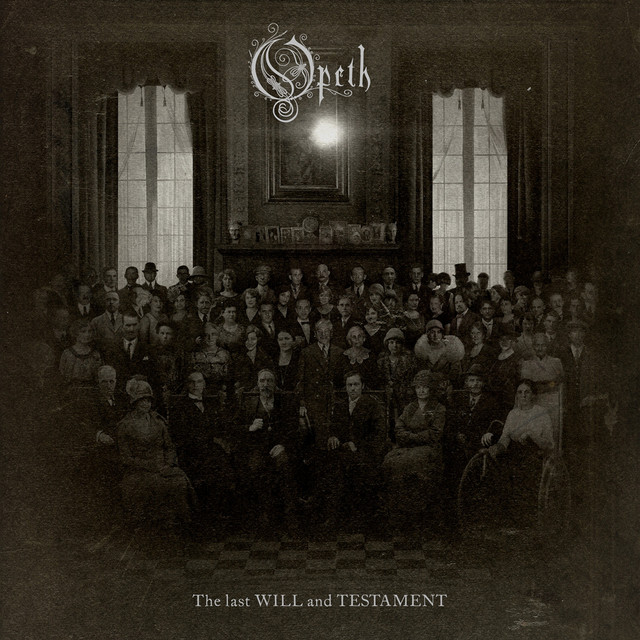
The 2000s saw a new cohort blend high‑fidelity production with conservatory‑level technique and concept‑album writing, while veteran innovators returned with ambitious works (e.g., Gorguts’ 2013 comeback "Colored Sands") that balanced brutality with atmosphere and thematic scope. Meanwhile, some progenitors (such as Opeth) pivoted toward full progressive rock, underscoring the style’s permeability with adjacent progressive traditions and its lasting influence on extreme metal at large.

Top albums